2026.08.12
 Industry News
Content
You are selecting a mooring line for a 40-foot workboat, and the supplier hands you a specification sheet that lists a breaking strength of 4,200 lb. That number seems reassuring, but it does not mean you can hang 4,200 lb on that rope and expect it to survive a season of harbour use. Polypropylene rope strength is a combination of fibre quality, construction type, diameter, and the conditions the rope will face once it leaves the warehouse. For a 1/4-inch polypropylene rope, the typical minimum breaking strength is around 1,100 lb; for a 2-inch mooring hawser, the same 3-strand construction can carry more than 46,000 lb at the point of failure. The practical working load, however, is always a fraction of that figure, usually 20% or less, because knots, wear, sunlight, and dynamic forces all reduce what a rope can safely handle.
This guide explains how to read polypropylene rope strength data correctly, why diameter and construction matter more than the fibre grade alone, and what safety margins you should apply in marine, industrial, and lifting applications.
Before comparing numbers, you need a clear picture of what the numbers actually describe. Rope manufacturers publish strength ratings for new, dry, undamaged rope tested in a straight line under controlled laboratory conditions. That laboratory result is the minimum breaking strength, also called the tensile strength or ultimate load. It represents the point where the rope parts completely.
Breaking strength is determined by pulling a rope sample until it fails, using a tensile testing machine that applies a steadily increasing load. The result is expressed in pounds (lb), kilograms (kg), or kilonewtons (kN). Industry test methods also specify how the rope is clamped, how fast the load is applied, and how many samples must be tested to get a reliable average.
The working load limit (WLL) is the maximum load you should put on a rope in normal service. It is always lower than the breaking strength because real-world conditions are never as ideal as a testing laboratory. For general industrial and marine use, a safety factor of 5:1 is the common starting point, meaning the working load is one-fifth of the breaking strength. For applications involving people, or where shock loads are possible, the safety factor should be raised to 7:1 or even 10:1.
Reliable polypropylene rope suppliers provide test certificates from accredited laboratories, showing the actual breaking load of the production batch rather than a generic catalogue value. If you are buying rope for a strength-critical application such as a ship mooring line or a lifting sling, always ask for the test report and verify that the rope's construction and diameter match the certified values. The standard breaking strength test procedures used by rope laboratories cover sample conditioning, clamp design, and loading speed, all of which affect the final result.
The table below gives typical minimum breaking strengths for 3-strand polypropylene rope in common diameters. The working load column applies a 5:1 safety factor, which suits most marine mooring, towing, and general industrial applications. Exact values vary between manufacturers, so treat these figures as a planning reference, not a substitute for the supplier's certified test data.
| Diameter (mm) | Breaking Strength (kg / lb) | Working Load at 5:1 (kg / lb) |
|---|---|---|
| 6 mm (1/4") | 500 kg / 1,100 lb | 100 kg / 220 lb |
| 10 mm (3/8") | 1,350 kg / 3,000 lb | 270 kg / 600 lb |
| 12 mm (1/2") | 1,900 kg / 4,200 lb | 380 kg / 840 lb |
| 16 mm (5/8") | 2,540 kg / 5,600 lb | 510 kg / 1,120 lb |
| 20 mm (3/4") | 3,700 kg / 8,100 lb | 740 kg / 1,620 lb |
| 25 mm (1") | 6,100 kg / 13,500 lb | 1,220 kg / 2,700 lb |
Polypropylene is a lightweight material with a density of about 0.91 g/cm³, which means it floats on water. This is a major advantage for mooring lines, rescue lines, and any application where a rope that sinks could get tangled with a propeller or underwater structure. The trade-off is that polypropylene has lower absolute strength than polyester or nylon of the same diameter, so you may need a thicker rope to achieve the same load rating.
Polypropylene rope is not a single product. The same fibre can be manufactured into 3-strand, 8-strand, 12-strand, or double-braided constructions, and each structure has its own strength characteristics, stretch behaviour, and resistance to wear. Choosing the wrong construction is a common reason why a rope fails earlier than expected.
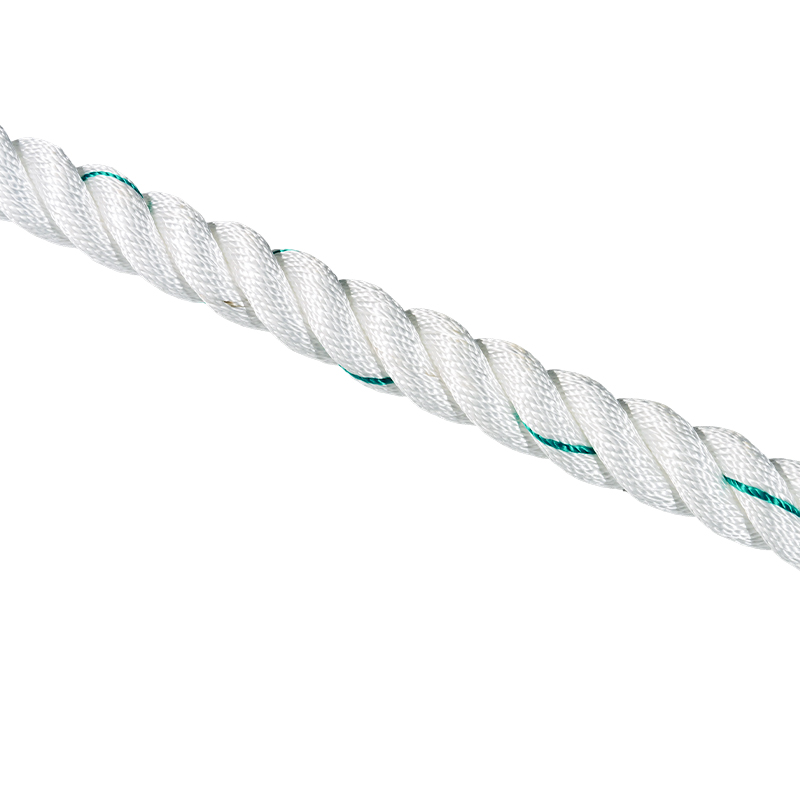
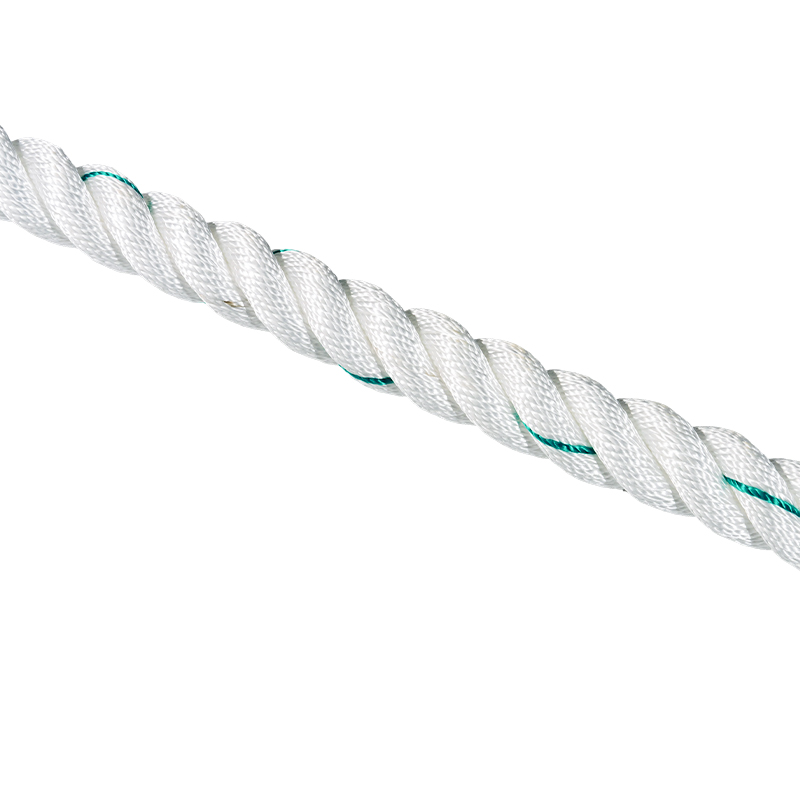
Three-strand rope is the classic twisted construction. It is simple, economical, and easy to splice, which makes it popular for general-purpose mooring lines, anchor lines, and utility work. Its strength is respectable for the price, but the twisting pattern creates a relatively rough surface that can accelerate abrasion when the rope rubs against a bollard or the edge of a deck. A well-spliced 3-strand rope is a good everyday choice, and a 3-strand polypropylene rope is often the most cost-effective option for harbour mooring and towing applications where moderately high strength and a floating property are required.
 Wholesale 3-Strand Polypropylene Rope Manufacturers, Suppliers - Jiangsu HaifengJiangsu Haifeng Rope Technology Co.,Ltd. is China Wholesale 3-Strand Polypropylene Rope Suppliers and 3-Strand Polypropylene Rope Manufac...View Product →
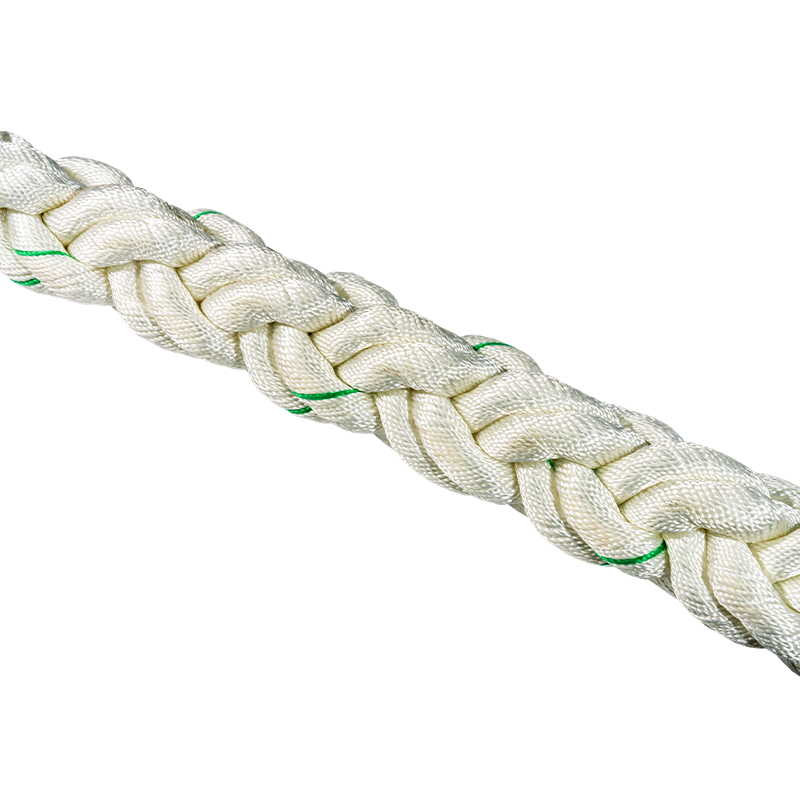
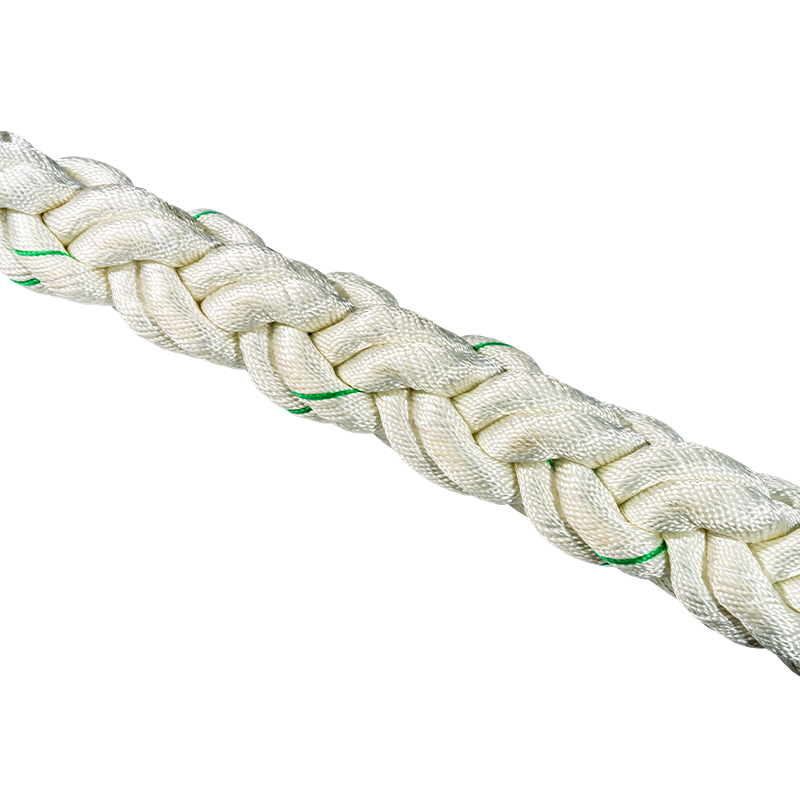
Eight-strand construction uses four pairs of strands braided together, producing a rounder and more flexible rope than the 3-strand version. The braided surface is smoother and resists flattening under load, which improves its tolerance of contact with pulley sheaves and winch drums. The breaking strength of an 8-strand rope is usually slightly higher than a 3-strand rope of the same diameter. The 8-strand polypropylene rope is a strong option for applications that require a softer hand feel and better abrasion resistance than 3-strand construction can offer.
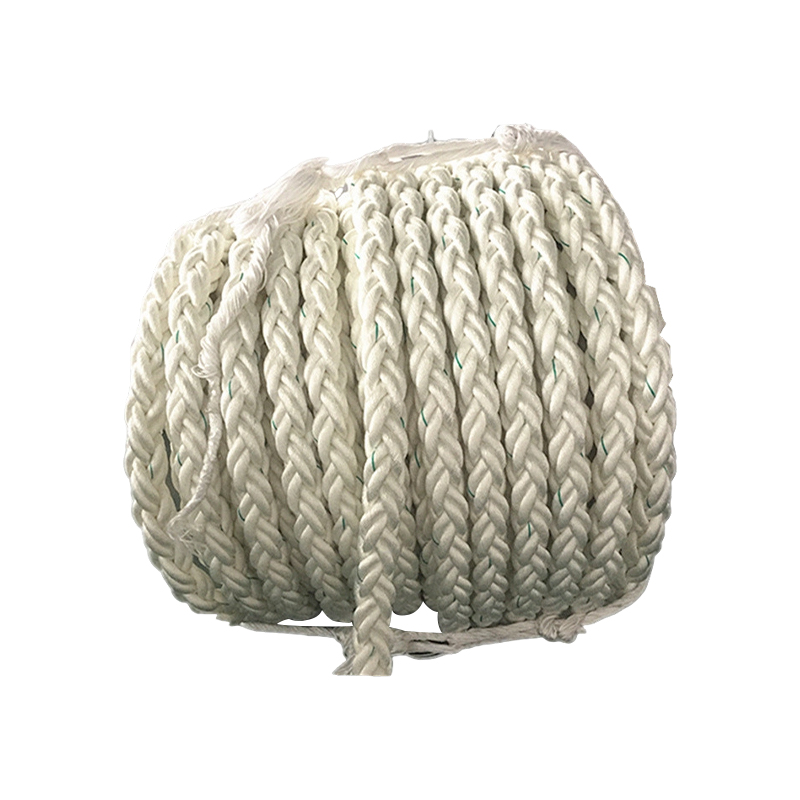 Wholesale 8-Strand Polypropylene Rope Manufacturers, Suppliers - Jiangsu HaifengJiangsu Haifeng Rope Technology Co.,Ltd. is China Wholesale 8-Strand Polypropylene Rope Suppliers and 8-Strand Polypropylene Rope Manufac...View Product →
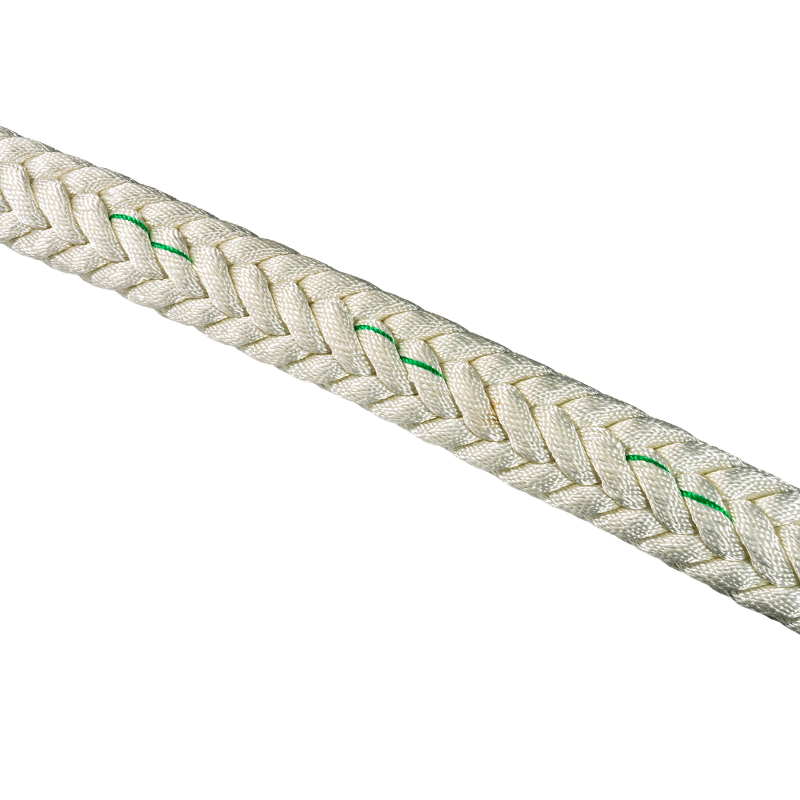
Twelve-strand ropes are braided in a single layer of twelve interwoven strands, creating a hollow-core structure that is extremely flexible and easy to inspect. This construction has become a standard in modern mooring and towing because it offers a high strength-to-weight ratio and excellent torque balance, meaning it does not twist under load the way 3-strand ropes can. A 12-strand polypropylene rope carries a higher breaking strength than equivalent 3-strand and 8-strand constructions, while remaining lightweight enough for manual handling in larger diameters.
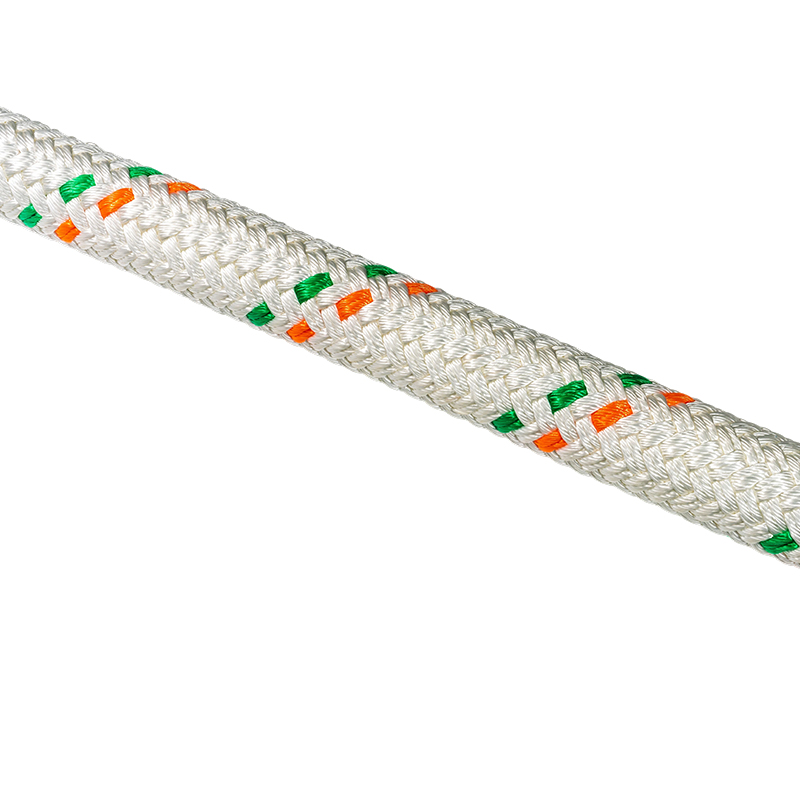 Wholesale 12-Strand Polypropylene Rope Manufacturers, Suppliers - Jiangsu HaifenJiangsu Haifeng Rope Technology Co.,Ltd. is China Wholesale 12-Strand Polypropylene Rope Suppliers and 12-Strand Polypropylene Rope Manuf...View Product →
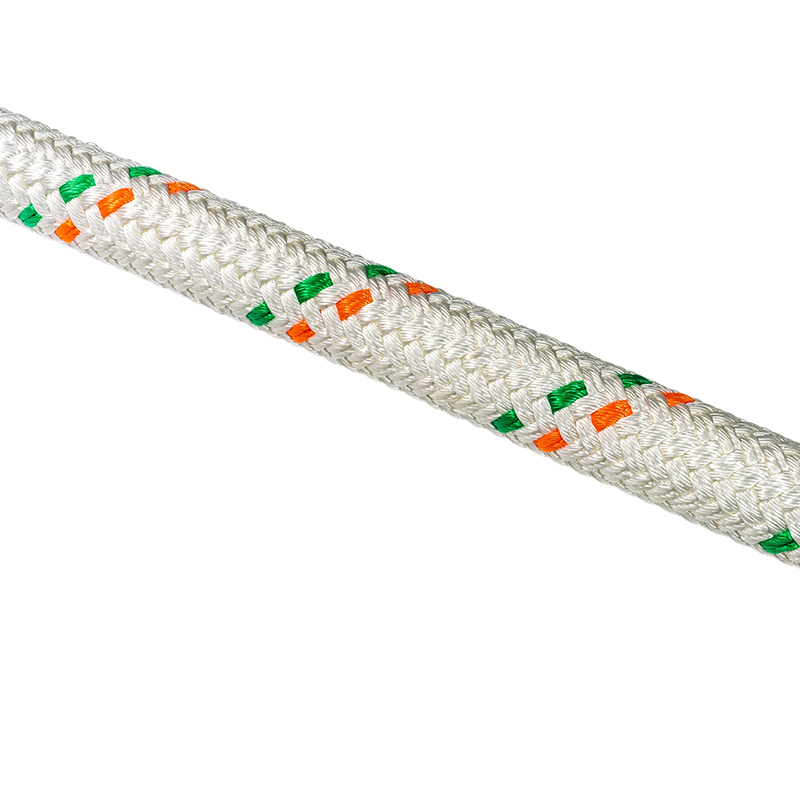
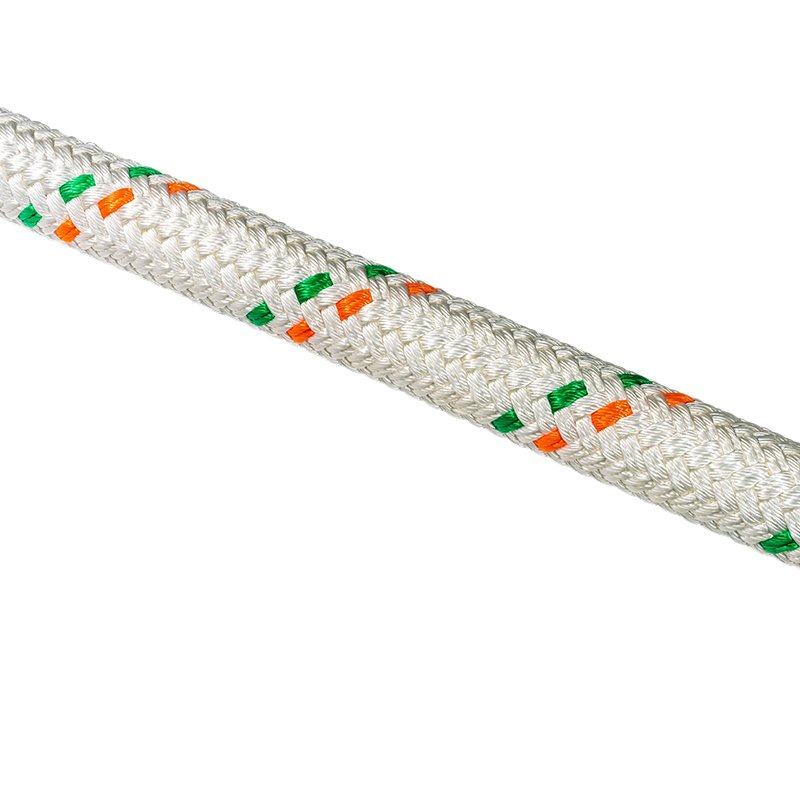
Double-braided rope is built with a braided core enclosed in a braided outer cover. It provides the strongest construction type for a given diameter, while offering good grip and UV resistance on the surface. However, it is more expensive and requires special splicing techniques. Double-braided polypropylene rope appears less commonly in industrial stock lines because the same structure in polyester or nylon delivers higher absolute strength, but it is still a valuable option when floatation and a smooth, tight cover are priorities.
A new rope that meets its rated breaking strength can lose a substantial portion of that capacity after a few months of exposure. Understanding these loss factors is essential for anyone who relies on polypropylene rope for mooring, towing, or lifting.
Every knot creates a stress concentration point and reduces the rope's ability to carry load. A simple bowline can reduce strength by 40 to 50%. A properly executed splice retains 80 to 90% of the rope's rated strength, which is why professional marine ropes should always be terminated with splices rather than knots wherever possible.
Polypropylene is sensitive to ultraviolet radiation. Prolonged exposure to direct sunlight breaks down the polymer chains, making the rope surface brittle, chalky, and prone to fibre fracture. A rope left on deck in tropical sunlight for 12 months can lose 30% or more of its original breaking strength, even if it looks intact from a distance. Store spare ropes indoors and rotate mooring lines regularly to distribute UV damage.
Abrasion is the leading cause of premature rope failure in industrial settings. When a rope rubs against concrete, steel edges, grit, or another rope, the outer fibres break progressively. This can go unnoticed until the rope fails at a load far below its rated strength. Check the rope surface for broken filaments, flattened areas, and fuzzy texture after every heavy use. The abrasion resistance of polypropylene is inferior to nylon and polyester, so protective sleeves or chafe guards are recommended where the rope contacts rough surfaces.
Polypropylene has good resistance to many chemicals, including most acids and alkalis, which is one reason it is used in marine and industrial environments. However, it degrades quickly when exposed to oxidising agents, chlorinated hydrocarbons, and some solvents. It also has a relatively low melting point, between 160 and 170°C. Friction heat from a rapidly slipping rope on a winch can soften the fibres and cause localised failure.
When selecting a rope for a specific load, polypropylene strength needs to be benchmarked against the other common synthetic materials. For the same diameter, nylon has the highest breaking strength and the best shock absorption, followed by polyester, with polypropylene generally coming last. In practice, though, the differences are large enough to matter in engineering decisions.
If your application involves a floating mooring line or a rescue throw line, polypropylene remains a sensible choice despite its lower strength. If maximum strength per diameter is the priority, the practical comparison between polypropylene and polyester ropes helps you decide which trade-off fits your vessel.
Buying polypropylene rope for a mooring line, towing hawser, or cargo lashing is different from buying rope for a clothesline. The consequences of failure are greater, so the selection process should be disciplined.
First, define the maximum load the rope will carry, including dynamic loads from wave motion, wind gusts, or winch acceleration. Do not size the rope based on the static weight of the object you are lifting or towing. A rope that is adequate for a steady pull can fail when a wave suddenly adds a shock load. Calculate the dynamic load and apply a safety factor of at least 5:1 for cargo, 7:1 for moored vessels, and 10:1 for personnel-related applications.
Second, choose the right construction for the load path. If the rope will run over a sheave or drum, choose a braided construction with a smooth surface, such as 8-strand or 12-strand. If the rope will be spliced directly to a mooring chain or used with a winch where a round cross-section is essential, 12-strand is usually the better choice because it resists flattening and distributes load evenly across all strands.
Third, verify the supplier's quality control. A rope that claims a certain breaking strength must be backed by consistent manufacturing processes and, where relevant, classification society certification. The polypropylene rope application cases in marine, offshore, and port operations show how rope selection is tailored to real operating conditions rather than chosen from a generic strength chart.
Finally, consider the operating environment. If the rope will be exposed to prolonged sunlight, choose a UV-stabilised polypropylene grade, and budget for replacement at defined intervals. If the rope will contact chemicals or salt water, confirm that the fibre grade and any protective coatings are compatible. If the rope must be inspected frequently, choose a construction that allows internal inspection, such as the 12-strand hollow-braid design.
Polypropylene rope strength is a manageable engineering parameter as long as you understand what the rated number means. The right combination of diameter, construction, safety factor, and maintenance can give you a floating, economical, and reliable rope that performs its job for years.
Mar 12. 2026
What Are the Most Common Practical Uses for Polypropylene Rope?Core Applications of Polypropylene Rope in Marine and Water Activities In the modern rope industry, Polypropylene Rope (often referred to as “PP rope” or “floating rope”) has become an irreplaceable tool for water-based ...
Read MoreMar 12. 2026
Polyester Rope Guide: Types, Uses, Strength & Buying TipsPolyester rope is one of the most versatile and reliable cordage options available today. It outperforms nylon in UV resistance, holds its strength when wet, and stretches far less under load — making it the preferred c...
Read MoreMar 13. 2026
What is polyester rope and why is it the best choice for most applicationsWhat Is Polyester Rope? Understanding the Basics Polyester rope is one of the most widely used synthetic ropes in the world today, valued across industries for its exceptional balance of strength, durability, and resista...
Read More


 English
  русский
  Español
  عربى
عربى