English
  русский
  Español
  عربى
عربى 



Polyester and polypropylene are two of the more widely used synthetic rope materials in the world. Both are lightweight, affordable, and resistant to moisture — yet they differ significantly in strength, UV resistance, buoyancy, elongation, and ideal application. Understanding how these two materials compare is essential for anyone selecting rope for marine, industrial, recreational, or general utility use.
Overview of Polyester Rope
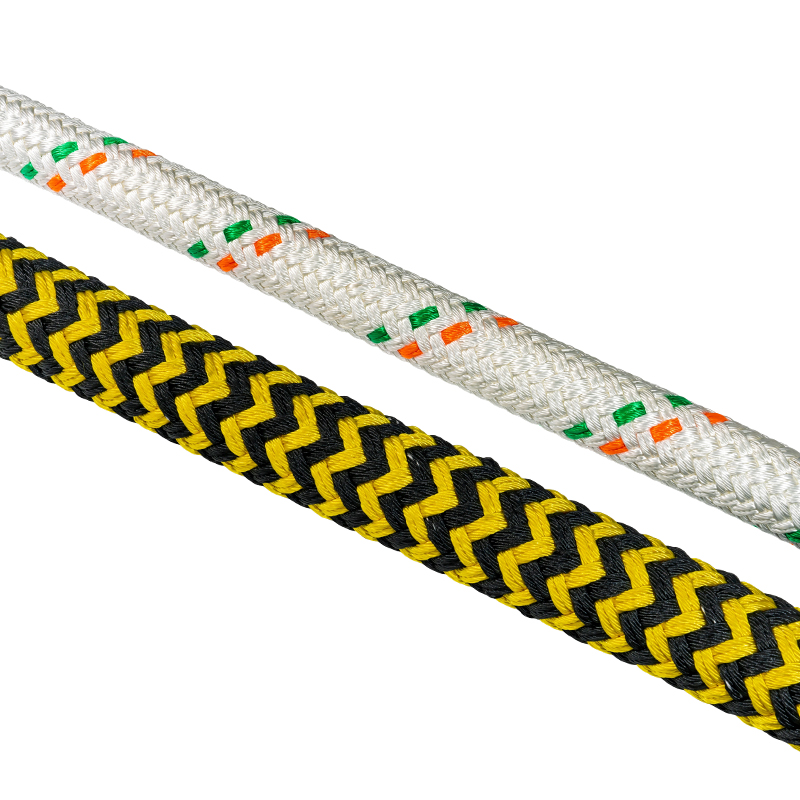
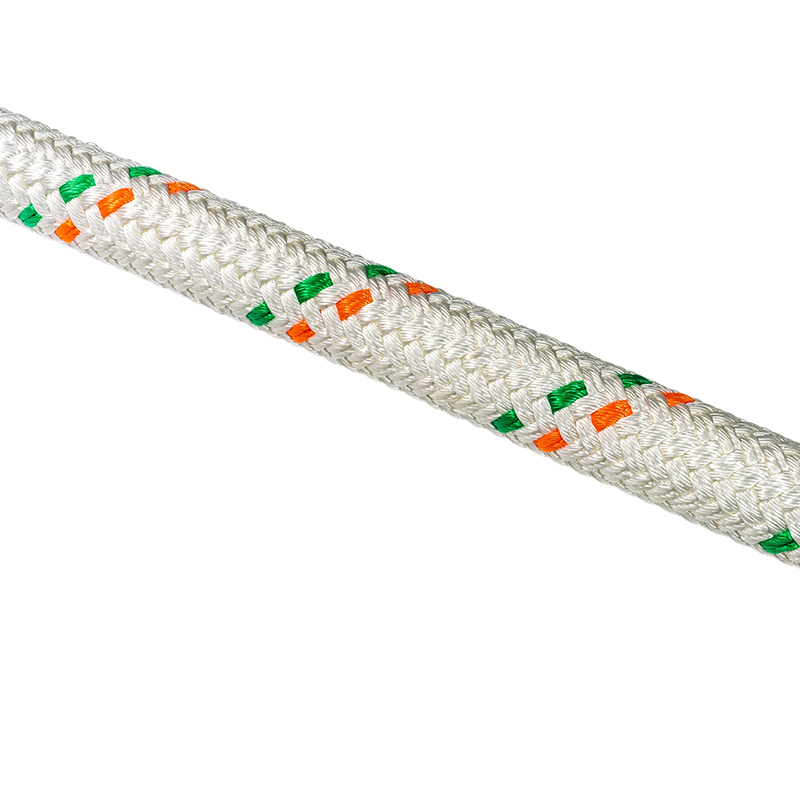
Polyester rope is made from polyethylene terephthalate (PET) fibers, the same polymer family used in plastic bottles and clothing textiles. In rope form, polyester fibers are drawn and oriented to create high-tenacity yarns that deliver a strong combination of load-bearing capacity, dimensional stability, and environmental resistance.
Polyester has been widely used in marine, industrial, and professional rigging applications for decades. Its low elongation (typically 10–15% at break for standard grades), UV resistance, and near-complete moisture stability make it a dependable all-weather rope material. It does not float and sinks when fully immersed, which is a practical limitation in water-surface applications.
Overview of Polypropylene Rope
Polypropylene rope is produced from polypropylene polymer fibers, one of the lightest commercially available synthetic materials. Its more distinctive physical property is its density: polypropylene is less dense than water, making it the only widely available rope material that floats. This buoyancy is its defining advantage and the primary reason it is specified for water rescue, pool safety, and marine safety equipment.
Polypropylene rope is economical to produce and widely available in a range of constructions. However, it has lower tensile strength than polyester, poor UV resistance, and a relatively low melting point that limits its use in high-friction or high-temperature environments.
Tensile Strength Comparison
Tensile strength is one of the more critical performance criteria when selecting rope for any load-bearing task. Polyester holds a clear advantage over polypropylene in this category.
For a standard 12 mm twisted or braided rope, indicative break strengths are approximately:
- Polyester (12 mm): 8–12 kN (approximately 800–1,200 kg), depending on construction and grade.
- Polypropylene (12 mm): 5–8 kN (approximately 500–800 kg), depending on construction and grade.
High-tenacity polyester rope — a denser, more tightly drawn variant — can achieve break strengths 30–50% higher than standard polyester of the same diameter, widening the gap further. Polypropylene's lower molecular density means that for any given diameter, it simply carries less load than polyester before failure.
For applications requiring reliable load capacity — dock lines, halyards, lifting slings, tow lines, or safety systems — polyester is the more capable material by a meaningful margin.
UV Resistance and Outdoor Durability
Both materials are synthetic polymers and therefore inherently more resistant to UV degradation than natural fiber ropes such as manila or hemp. However, their UV performance differs considerably from each other.
Polyester UV Resistance
Polyester is one of the more UV-stable common rope materials available. It retains the majority of its break strength even after years of continuous outdoor exposure. This makes it well-suited for permanent outdoor installations such as flagpoles, outdoor rigging, marina dock lines, and agricultural applications where rope may remain in sunlight for extended periods without replacement.
Polypropylene UV Resistance
Polypropylene has notably poor UV resistance compared to polyester. Without UV stabilizer additives, polypropylene rope becomes brittle, discolored, and structurally weakened after relatively modest periods of sun exposure — sometimes within a single season of outdoor use in high-UV environments. Many manufacturers add UV stabilizers to slow this degradation, but even stabilized polypropylene rope degrades significantly faster outdoors than polyester.
For this reason, polypropylene rope is generally recommended for short-term, intermittent, or indoor use rather than permanent outdoor installations. Applications such as water rescue throw lines, pool lane markers, and temporary site cordage are well-suited to its UV limitations, as the rope is regularly replaced or stored indoors between uses.
Moisture Resistance and Behavior When Wet
Both polyester and polypropylene have resistance to water absorption at the fiber level, which is one of the advantages both share over natural fiber ropes and over nylon.
Polyester in Water
Polyester absorbs virtually no water into its fiber structure. As a result, a polyester rope retains close to 98% of its dry break strength when wet. It does not swell significantly, does not stiffen when wet, and dries quickly. This makes it highly suitable for applications where the rope will be regularly immersed or exposed to rain, spray, and humidity — including marine rigging, dock lines, and outdoor utility rope.
Polypropylene in Water
Polypropylene similarly does not absorb water at the fiber level, maintaining its break strength when wet. Its key advantage over polyester in aquatic environments is not strength retention but buoyancy — it floats on the water surface rather than sinking. This property makes it uniquely valuable for water rescue lines, swimming pool lane dividers, and any application where a floating rope is operationally necessary.
Both materials resist mold, mildew, and rot when exposed to water — a significant advantage over natural fibers in humid or wet storage conditions.
Buoyancy: The Key Differentiator
Buoyancy is the single property that more clearly separates polypropylene from polyester rope, and it is the primary reason polypropylene is specified in applications where rope must remain on or near the water surface.
Polypropylene has a specific gravity of approximately 0.91 — lower than water (1.0) — meaning it floats. Polyester has a specific gravity of approximately 1.38, meaning it sinks promptly when immersed. This difference has direct operational consequences:
- Water rescue throw bags and heaving lines use polypropylene rope so that the line remains visible and accessible on the water surface after deployment.
- Swimming pool lane dividers use polypropylene rope to keep the divider line floating without additional buoys at close intervals.
- Water-ski and wakeboard tow lines use polypropylene so the rope floats behind the boat between runs, reducing the risk of propeller entanglement.
- Safety perimeter lines in flood or swift-water rescue use floating polypropylene rope to maintain line visibility and accessibility.
In none of these applications would a sinking polyester rope be a practical substitute. Where a floating rope is operationally required, polypropylene is the standard choice.
Elongation and Handling Characteristics
Elongation — how much a rope stretches under load — affects both safety and usability. The two materials behave differently in this regard.
Polyester Elongation
Standard polyester rope elongates approximately 10–15% at break, with working elongation (the stretch experienced under normal loads) of around 3–6%. High-tenacity polyester achieves lower elongation still. This relatively low stretch provides predictable handling, good load control, and limited energy storage — meaning sudden release of a loaded polyester rope does not produce as severe a snap-back as a high-elongation material would.
Polypropylene Elongation
Polypropylene rope typically elongates 15–25% at break, with somewhat higher working elongation than polyester. While this extra stretch can absorb minor shock loads, polypropylene's lower tensile strength means it reaches its elongation limit at a lower absolute load than polyester. Its softer feel and higher stretch can make it less precise to handle in rigging or tying applications where rope stiffness and load feedback are important.
Neither material is highly elastic in the way that nylon is. Both polyester and polypropylene are considered low-to-moderate elongation materials relative to nylon, which stretches 15–28% at break with much higher tensile strength.
Heat and Friction Resistance
Both polyester and polypropylene are thermoplastic polymers, meaning they soften and melt at elevated temperatures rather than charring as natural fibers do. However, their melting points differ significantly.
- Polyester melting point: approximately 250–260°C, giving it reasonable tolerance for friction from running through hardware, winches, and blocks.
- Polypropylene melting point: approximately 160–170°C, making it considerably more susceptible to heat damage from friction.
In practice, this means that polypropylene rope should not be used in applications involving significant friction, such as running through pulleys under load at speed, or in winch systems. Glazing and melting of the rope surface can occur quickly, weakening the rope and causing unpredictable failure. Polyester handles these applications more reliably, though for sustained high-friction use, higher-performance materials such as HMPE are preferred.
Chemical Resistance
Both polyester and polypropylene offer good resistance to many common chemicals, though their specific tolerances differ.
- Polyester is resistant to more dilute acids and petroleum products but can be degraded by strong alkalis (bases) and some organic solvents at high concentrations.
- Polypropylene offers good resistance to acids and alkalis and is generally more resistant to a broader range of chemical exposures than polyester, making it a useful choice in agricultural and light industrial environments where chemical splash is a possibility.
For applications involving chemical exposure, consulting the manufacturer's chemical resistance data for the specific product is recommended, as formulation and construction details affect real-world performance.
Cost Comparison
Polypropylene rope is generally less expensive than polyester rope of comparable diameter and construction. The lower raw material cost of polypropylene polymer and simpler manufacturing process contribute to this price difference. For budget-sensitive applications where the specific performance advantages of polyester are not required, polypropylene offers a cost-effective alternative.
However, the total cost of ownership should also account for service life. Polypropylene rope used in outdoor environments may need to be replaced significantly more frequently than polyester due to UV degradation, potentially making polyester the more economical choice over a multi-year period for permanent outdoor installations.
Side-by-Side Performance Summary
| Property | Polyester Rope | Polypropylene Rope |
|---|---|---|
| Tensile Strength | High | Medium |
| UV Resistance | Excellent | Poor–Moderate |
| Moisture Absorption | Very Low | Very Low |
| Buoyancy | Sinks | Floats |
| Elongation at Break | 10–15% | 15–25% |
| Heat / Friction Resistance | Good (melts ~255°C) | Limited (melts ~165°C) |
| Chemical Resistance | Good | Good–Very Good |
| Abrasion Resistance | Good | Moderate |
| Outdoor Durability | High (years) | Low–Medium (months–1 year) |
| Relative Cost | Medium | Low |
| Typical Applications | Marine rigging, dock lines, arborist, rescue | Water rescue, pool lines, agriculture, general utility |
Best Applications for Each Material
When to Choose Polyester Rope
- Marine dock lines, halyards, sheets, and anchor pendants where consistent strength and UV resistance are needed year-round.
- Arborist climbing and rigging lines, where abrasion resistance and load capacity are priorities.
- Technical rescue systems where certified break strength and dimensional stability are required.
- Permanent outdoor installations such as flagpoles, tethers, and guy lines exposed to sustained sunlight.
- Any application requiring the rope to run through blocks, pulleys, or winches under load.
- General utility and lifting applications where a reliable, all-weather rope is preferred over a budget option.
When to Choose Polypropylene Rope
- Water rescue throw lines and heaving lines where buoyancy is operationally essential.
- Swimming pool lane dividers and safety perimeter lines in aquatic facilities.
- Water-ski, wakeboard, and towable sports tow lines that must float between uses.
- Agricultural baling, packaging, and general farm cordage where cost efficiency is important and UV exposure is short-term.
- Indoor storage areas and warehouses where rope is used for light bundling and tie-down.
- Temporary outdoor applications where rope is used seasonally and replaced regularly.
Frequently Asked Questions
Is polyester rope stronger than polypropylene rope?
Yes. For the same diameter, polyester rope typically has a break strength 30–50% higher than polypropylene rope. High-tenacity polyester widens this gap further. Polyester is the better choice for any application where load capacity is a primary concern.
Can polypropylene rope be used in saltwater environments?
Polypropylene resists salt water well at the fiber level and does not absorb moisture. Its buoyancy makes it useful for surface-level marine applications such as throw lines and mooring buoy pendants. However, UV degradation in outdoor marine environments limits its practical service life, and polyester is generally a more durable long-term choice for permanent saltwater installations.
Which rope is better for a boat dock line — polyester or polypropylene?
Polyester is the recommended material for dock lines. It offers higher tensile strength, better UV and abrasion resistance, and longer outdoor service life than polypropylene. Polypropylene dock lines would degrade relatively quickly in continuous outdoor sun exposure and offer lower load capacity for the same diameter.
Does polypropylene rope shrink or stretch over time?
Polypropylene rope does not shrink when wet, unlike natural fiber ropes. Under sustained load, however, it can exhibit mild creep — a slow elongation over time that is more pronounced than in polyester. For applications requiring consistent rope length under constant tension, polyester or higher-performance materials such as HMPE are more dimensionally stable.
Which is safer for water rescue — polyester or polypropylene?
Polypropylene is the standard choice for water rescue lines because it floats on the water surface, allowing the rescuer and the person in the water to see and reach the rope. A sinking polyester rope would be significantly less effective in a rescue scenario. Buoyancy is the defining safety requirement for water rescue rope, and polypropylene meets it while polyester does not.