2026.09.18
 Industry News
Content
Polypropylene rope has earned its place as one of the most widely used synthetic ropes in the world. It floats, it shrugs off water, it costs less than most other synthetic fibres, and it comes in bright colours that are easy to spot on a busy deck. After two decades of manufacturing chemical fibre ropes at Jiangsu Haifeng Rope Technology Co., Ltd., we have supplied polypropylene rope to shipyards, fishing fleets, farms, and ports in more than one hundred countries. In this guide, we share what we have learned about where this material excels, where it does not, and how to choose the right construction for your application.
Polypropylene rope is made from polypropylene, a thermoplastic polymer drawn into fibres and then twisted or braided into rope. Unlike nylon or polyester, polypropylene fibre is less dense than water, which is why polypropylene rope floats. That single trait has made it a favourite on decks, docks, and fishing grounds around the world. The fibre also does not absorb water, so a soaked rope keeps its strength and handling, and it dries quickly without rotting or mildewing.
Manufacturers produce polypropylene rope in several fibre forms. Monofilament fibres give a smooth, glossy surface and a firm body. Staple fibres create a softer, wool-like feel that grips comfortably in the hand. Split-film fibres offer the most economical option for general utility work. Depending on the fibre form and construction, the same base material can become anything from a lightweight garden line to a mooring line for a working vessel.
Every rope material is a set of trade-offs, and the strengths of polypropylene are easy to summarise:
Put together, these qualities explain why polypropylene rope remains the default answer whenever a rope will get wet, be handled frequently by hand, or be replaced on a regular cycle.
Material is only half of the story. The way fibres are assembled into rope has a direct effect on strength, flexibility, and handling. We manufacture polypropylene rope in four main constructions, and each one suits different working conditions.
| Construction | Structure | Typical Uses | Key Advantage |
|---|---|---|---|
| 3-strand | Three twisted strands | General mooring, fishing, farm and utility work | Easy to splice and very economical |
| 8-strand | Eight braided strands | Ship mooring and docking lines | Excellent grip on bitts and winches |
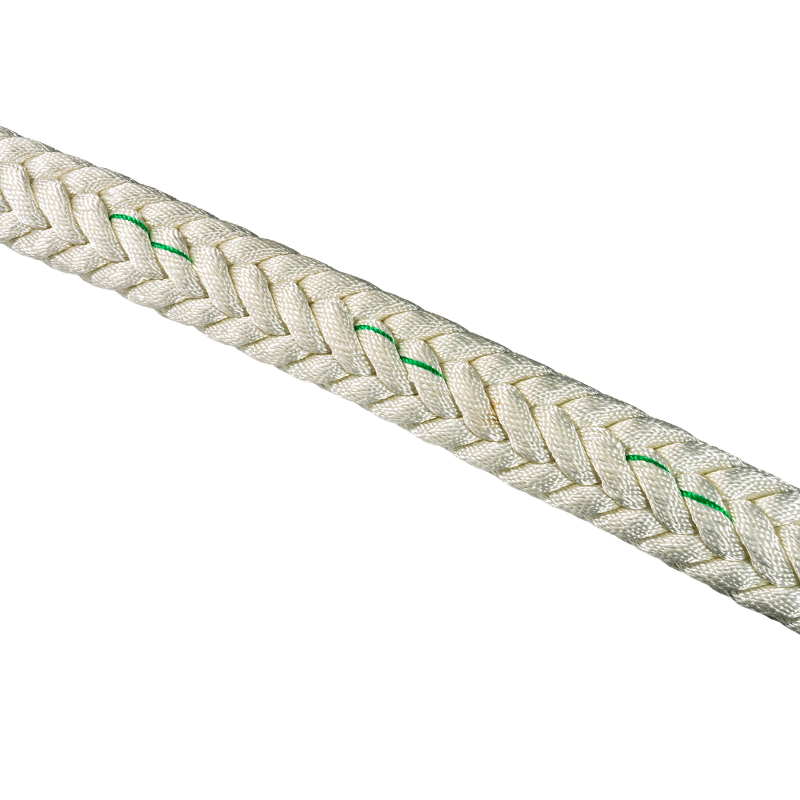
| 12-strand | Twelve braided strands | Towing and general marine service | Flexible with a high strength-to-weight ratio |
| Double braided | Braid over braid core | Yacht lines and precision handling | Smooth, strong, and kink-resistant |
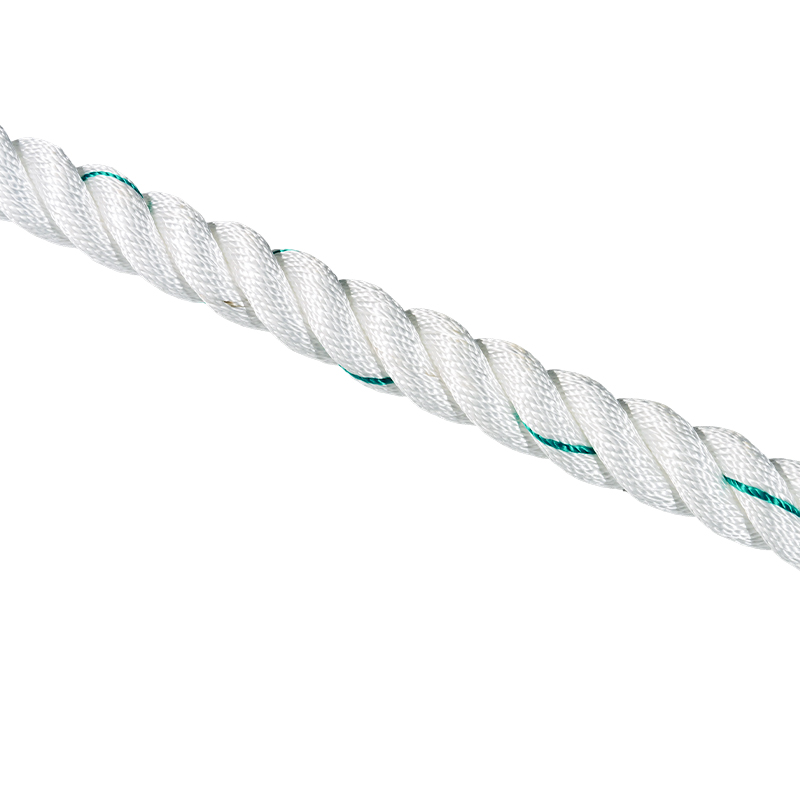
For everyday mooring and general service, the classic twisted build remains the most requested option among our customers, because it splices easily and keeps budgets predictable.
 3-Strand Polypropylene RopeA classic twisted rope available from 6 to 60 mm, easy to splice and cost-effective. As the most requested build for everyday mooring and general service, it suits budgets and handling needs here.View Product →
Because it floats and ignores water, polypropylene rope feels at home anywhere near the sea, a lake, or open weather. The most common uses we see across our export markets include:
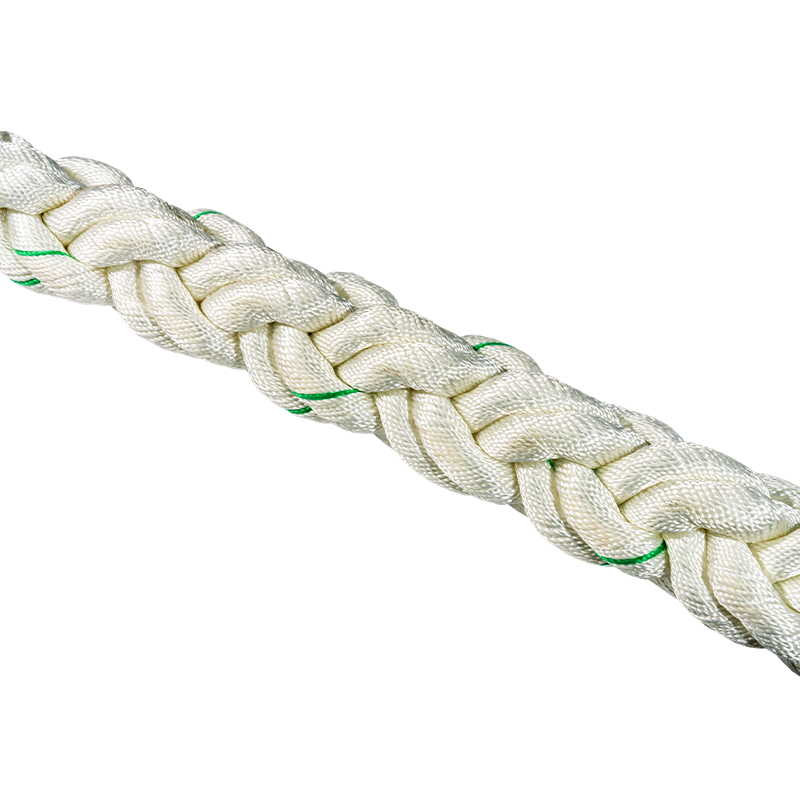
For vessel mooring in particular, many of our port customers step up to an eight-strand braided build, which grips bollards and winch drums far better than twisted rope of the same diameter.
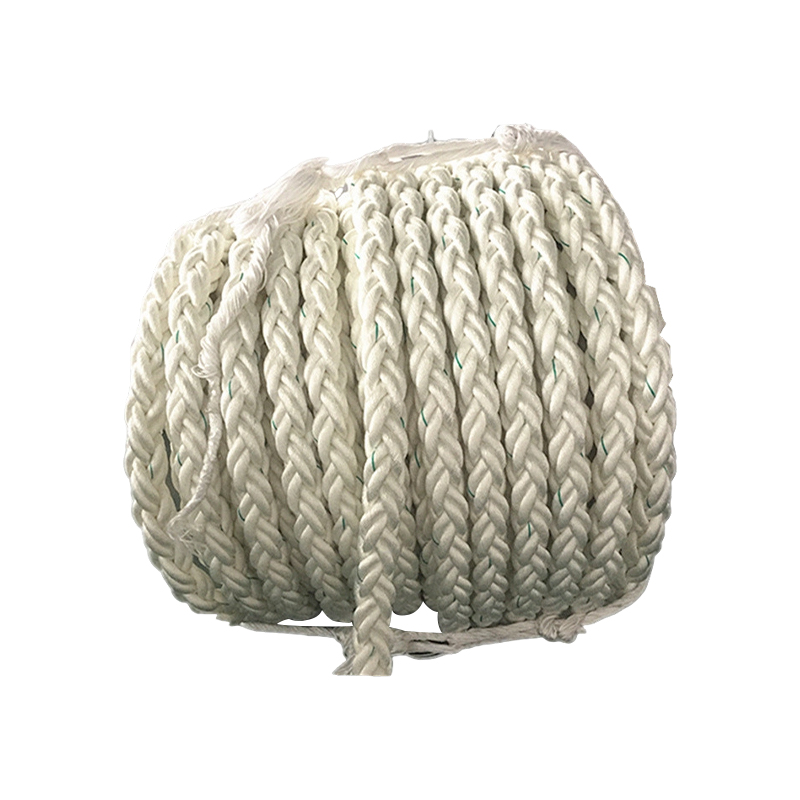 8-Strand Polypropylene RopeBraided from 28 to 160 mm, this eight-strand construction grips bollards and winch drums better than twisted rope, making it a practical step up for vessel mooring and port handling.View Product →
You can see how these products perform in real projects on our applications and cases page, where we document rope at work in shipbuilding, offshore engineering, and port operations.
No honest guide is complete without the drawbacks, and knowing them will keep your crew safe and your budget sane:
Because strength figures drive safe working loads, we recommend reading our detailed article on polypropylene rope strength, breaking loads, and safety factors before finalising a specification.
When customers ask us to recommend a polypropylene rope, we work through the same short list every time:
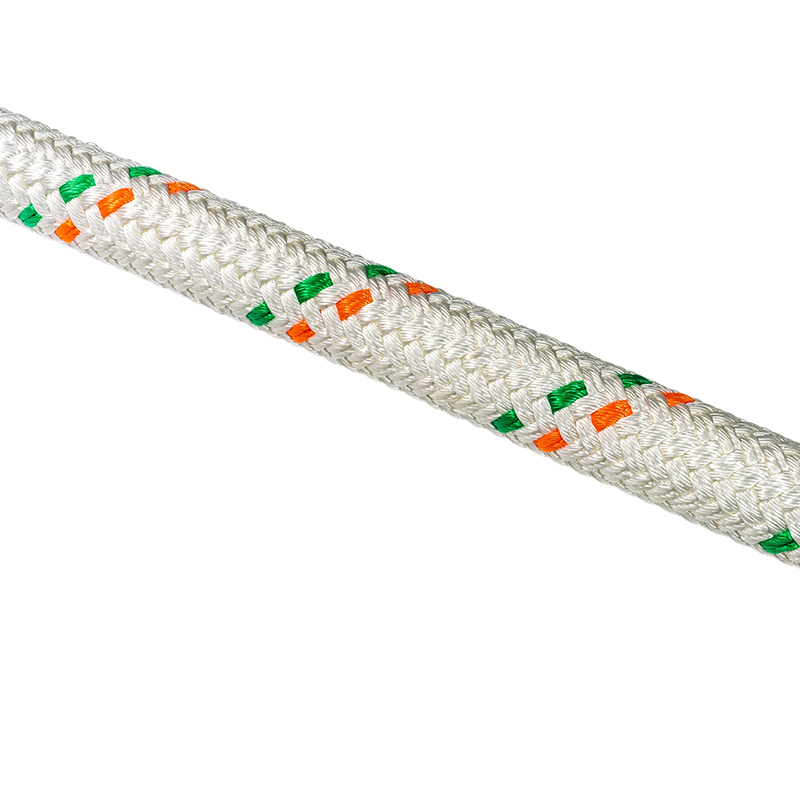
For yacht and workboat owners who want the best handling, our polypropylene double braided rope combines a smooth, kink-resistant finish with the buoyancy the material is known for.
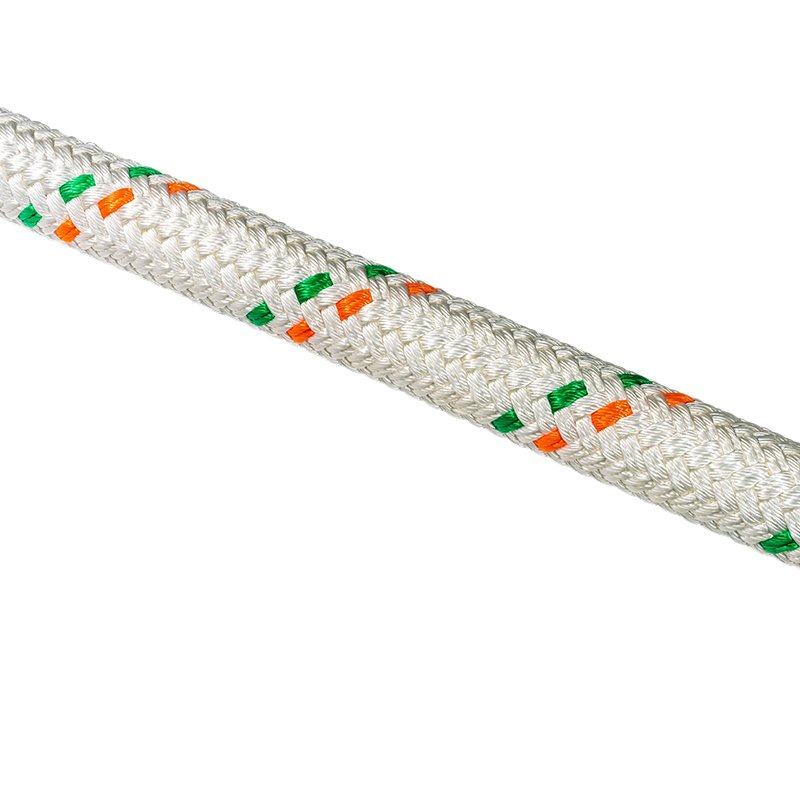
 Polypropylene Double Braided RopeA double-braided, kink-resistant rope with low elongation, UV and saltwater resistance. It offers the smooth handling and buoyancy that yacht and workboat owners value most.View Product →
Polypropylene rope will never be the strongest fibre on the market, and it does not try to be. What it offers is dependable, affordable performance wherever water and weather are part of the job. At our factory in Baoying, Jiangsu, every rope is produced in-house from raw material to finished coil under an ISO9001 quality system, with certification from major classification societies including CCS, BV, and LR. Whether you need a standard specification or a custom build from 6 mm to 160 mm, our team is always glad to help you get it right the first time.
Mar 12. 2026
What Are the Most Common Practical Uses for Polypropylene Rope?Core Applications of Polypropylene Rope in Marine and Water Activities In the modern rope industry, Polypropylene Rope (often referred to as “PP rope” or “floating rope”) has become an irreplaceable tool for water-based ...
Read MoreMar 12. 2026
Polyester Rope Guide: Types, Uses, Strength & Buying TipsPolyester rope is one of the most versatile and reliable cordage options available today. It outperforms nylon in UV resistance, holds its strength when wet, and stretches far less under load — making it the preferred c...
Read MoreMar 13. 2026
What is polyester rope and why is it the best choice for most applicationsWhat Is Polyester Rope? Understanding the Basics Polyester rope is one of the most widely used synthetic ropes in the world today, valued across industries for its exceptional balance of strength, durability, and resista...
Read More


 English
  русский
  Español
  عربى
عربى