2026.07.15
 Industry News
Content
Sailing, boating, fishing, and other marine activities have long been associated not only with adventure and recreation but also with genuine physical and mental wellness benefits. Time spent on the water reduces stress, improves cardiovascular health through active sailing and rigging work, and offers a meditative connection with nature that many people find restorative. At the center of this experience, quietly supporting every maneuver, lies one of the most underappreciated pieces of equipment on any vessel: the rope.
Low-Stretch UV-Resistant Marine Polyester Rope has become the standard choice for sailors, boat owners, and marine professionals who require dependable performance under demanding conditions. Unlike general purpose cordage, this specialized rope is engineered to resist stretching under load while withstanding constant exposure to sunlight, salt water, and mechanical friction. Understanding why this combination of properties matters, and how it contributes not only to sailing performance but also to the physical safety and peace of mind of everyone aboard, is essential for anyone who spends time on the water.
A rope that stretches unpredictably or degrades quickly under sun exposure is not simply an inconvenience. It represents a real risk to the safety and wellbeing of crew members, which is why material selection deserves far more attention than it typically receives.
Polyester rope is prized in marine applications largely because of its exceptionally low stretch characteristics. Unlike nylon, which can stretch significantly under load and absorb shock, polyester maintains its dimensional stability even when subjected to repeated tension. This property is critical for standing rigging, halyards, and control lines where precise, predictable movement is required to maintain sail shape and vessel control.
From a wellness perspective, the psychological benefit of using dependable, low-stretch rope should not be underestimated. Sailors who trust their equipment to behave predictably experience significantly less mental strain during challenging conditions such as sudden gusts, changing tides, or nighttime navigation. This reduction in cognitive load and anxiety directly supports mental wellbeing, allowing crew members to remain calm, focused, and present rather than distracted by uncertainty about whether their lines will hold or shift unexpectedly.
Physical safety is equally important. A rope that stretches excessively under load can cause sudden, jarring movements when tension is released or when a line reaches its limit. These abrupt shifts can lead to falls, strain injuries, or collisions with hardware on deck. Low-stretch polyester rope minimizes this risk by providing smooth, controlled load transfer, reducing the likelihood of sudden physical shocks that could harm anyone standing nearby.
Marine environments expose rope to some of the harshest conditions found in any outdoor application. Constant sun exposure, particularly on open water where there is little natural shade, subjects rope fibers to intense ultraviolet radiation for hours at a time. Without proper UV resistance, polyester fibers gradually break down at the molecular level, becoming brittle, discolored, and significantly weaker over time.
Manufacturers address this challenge by incorporating specialized UV stabilizers directly into the polyester fiber during production, or by applying protective coatings to the finished rope. These treatments absorb or reflect a significant portion of incoming ultraviolet radiation, slowing the degradation process considerably compared to untreated cordage. High quality UV-resistant marine rope can maintain the majority of its original strength even after years of regular sun exposure, whereas untreated rope may lose a substantial portion of its strength within a single season of heavy use.
| Rope Characteristic | Standard Polyester Rope | UV-Resistant Marine Polyester Rope |
|---|---|---|
| Strength Retention After One Year of Sun Exposure | Moderate reduction | High retention |
| Stretch Under Load | Variable | Minimal and consistent |
| Fiber Brittleness Over Time | Increases noticeably | Slowed considerably |
| Color Fading | Rapid | Gradual |
This durability translates directly into safety. Rope that maintains its strength over time is far less likely to fail unexpectedly during use, reducing the risk of accidents that could result in physical injury. For anyone who relies on their rigging day after day, this consistency provides genuine reassurance and contributes to a safer, more relaxed experience on the water.
Understanding how low-stretch UV-resistant marine polyester rope is made helps clarify why it performs so well in demanding environments. The process typically begins with high tenacity polyester fibers, chosen specifically for their strength to weight ratio and inherent resistance to moisture absorption. Unlike natural fibers, polyester does not swell or weaken significantly when wet, which is a critical property for any rope used regularly in marine settings.
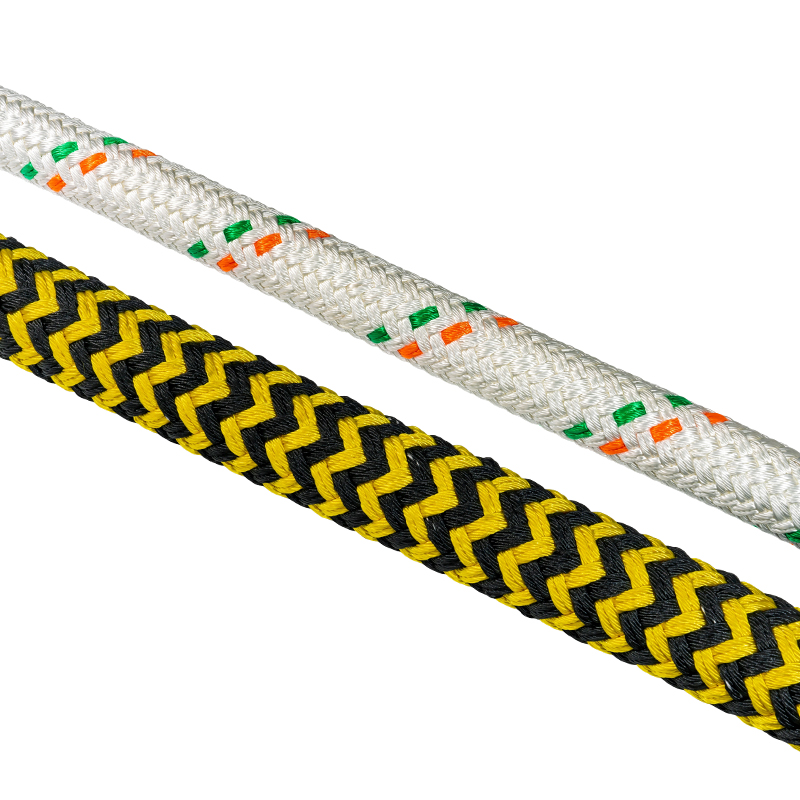
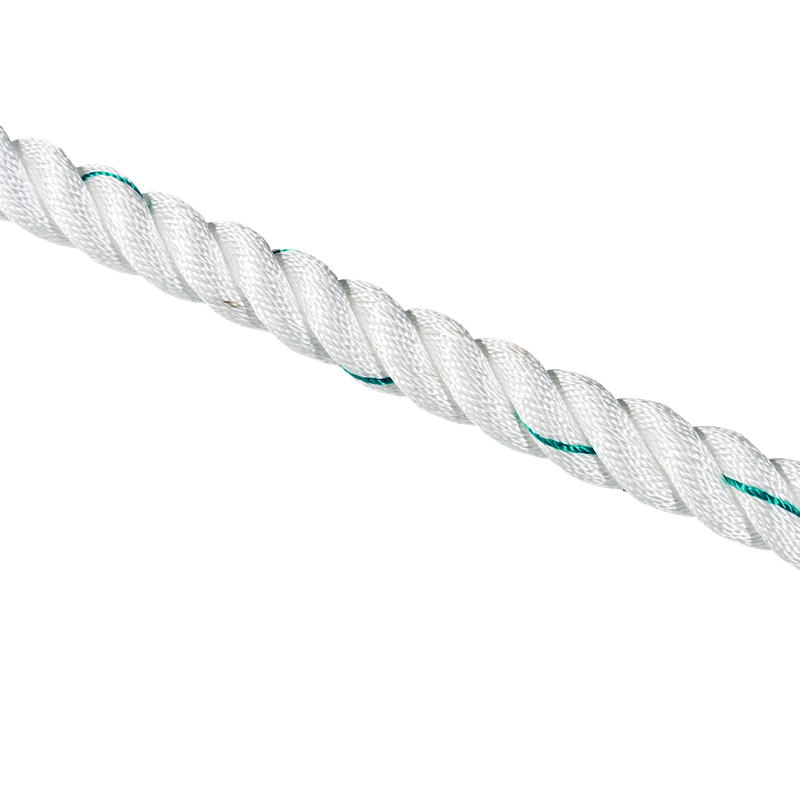
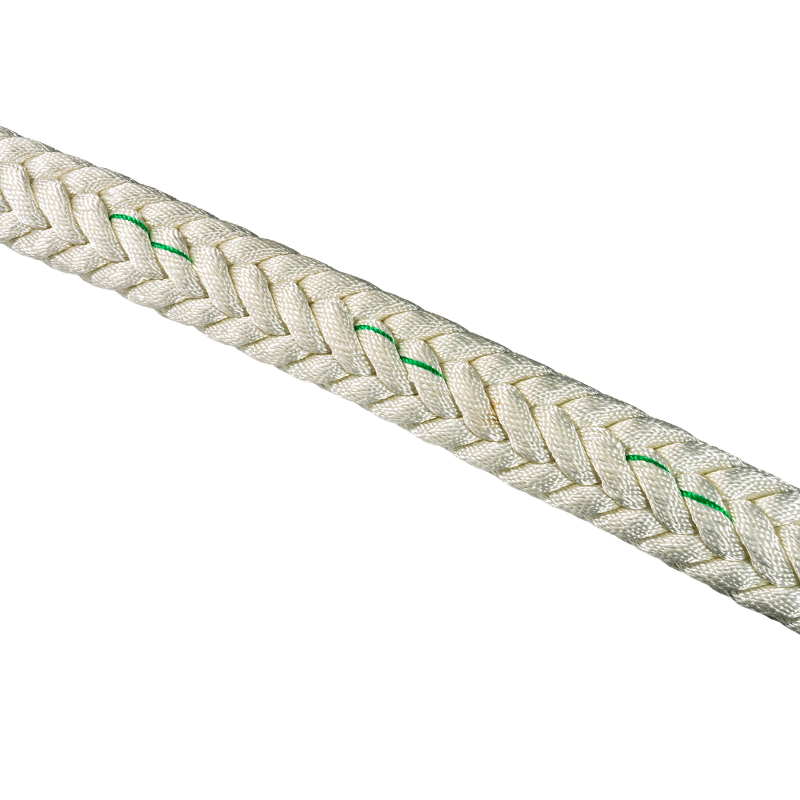
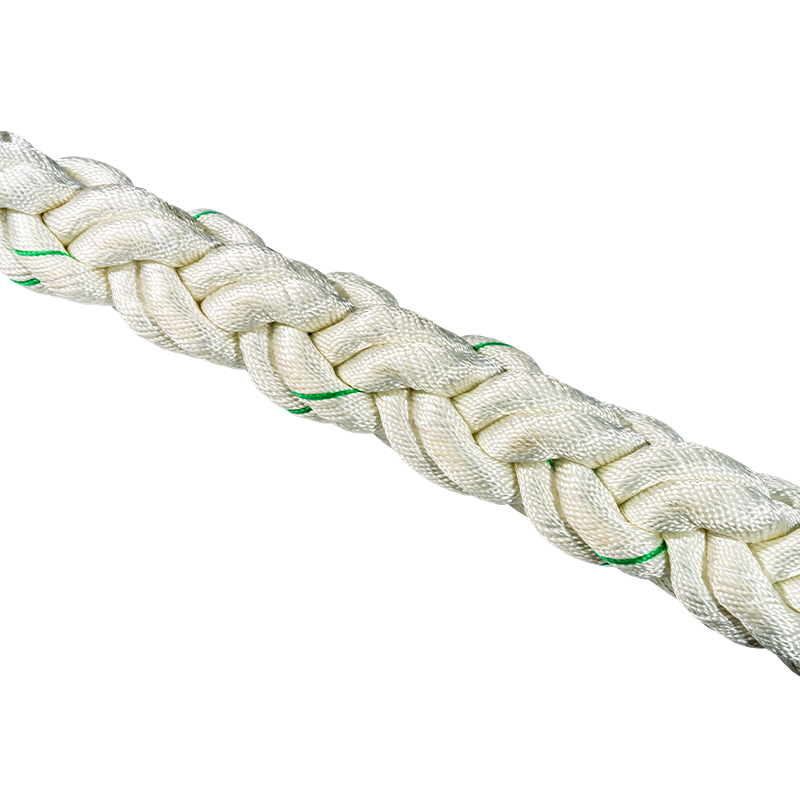
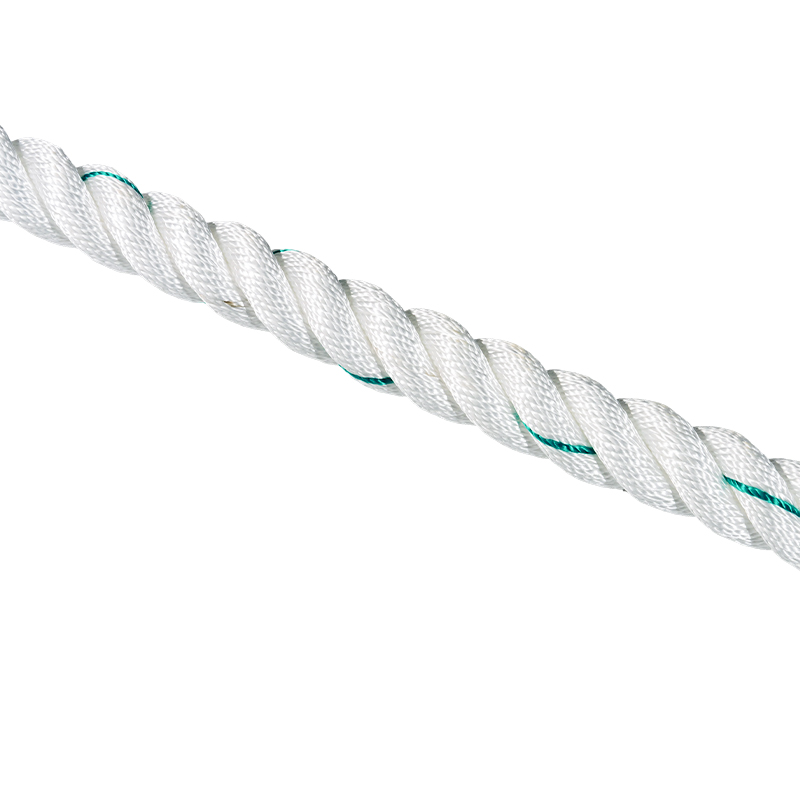
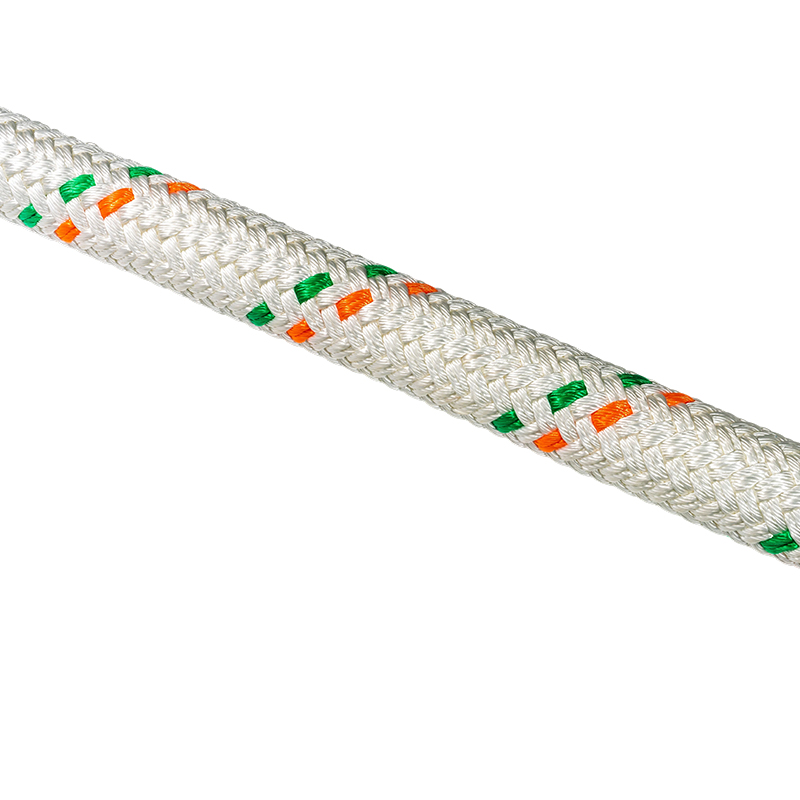
These fibers are then twisted or braided into the rope structure using techniques designed to maximize both strength and stability. Braided constructions, in particular, tend to offer superior low-stretch performance compared to twisted rope, since the interlocking fiber pattern distributes load more evenly across the entire cross section of the rope. Many premium marine ropes use a double braid or parallel core construction, combining an inner core designed for maximum strength with an outer sheath designed for abrasion resistance and UV protection.
During or after the braiding process, manufacturers apply UV stabilizing treatments. These may take the form of chemical additives blended directly into the polyester resin before fiber extrusion, or surface coatings applied to the finished rope. Some high performance ropes combine both approaches, providing protection at both the molecular and surface levels for maximum durability.
Wellness Insight
Just as the human body benefits from protective measures against environmental stressors such as excessive sun exposure, marine rope requires similar protective treatment to remain resilient. This shared principle of proactive protection against gradual environmental damage applies equally to equipment durability and personal health maintenance, reminding us that prevention is consistently more effective than repair after damage has already occurred.
The versatility of low-stretch UV-resistant marine polyester rope makes it suitable for a remarkably wide range of applications. In recreational sailing, it serves as the material of choice for halyards, sheets, and control lines, where precise sail control depends heavily on minimal stretch under varying wind loads. Sailors who spend weekends or extended vacations on the water rely on this rope to deliver consistent performance regardless of how many hours it has spent in the sun.
Beyond sailing, this type of rope finds extensive use in mooring and docking applications, where ropes are frequently exposed to prolonged sunlight while secured to docks or pilings for extended periods. Fishing operations also depend heavily on durable, low-stretch cordage for securing equipment, handling nets, and managing various rigging tasks that occur under constant sun exposure throughout long working days.
Commercial marine operations, including cargo securing and towing applications, require rope that can withstand not only environmental degradation but also significant mechanical stress. Low-stretch polyester rope performs reliably in these demanding professional contexts, where equipment failure could have serious safety and financial consequences.
Beyond strictly nautical uses, this rope has also become popular in adjacent outdoor recreational activities such as camping, tarp securing, and general utility applications where UV resistance and strength stability are valued. Its adaptability reflects the broader trend toward multi purpose, durable outdoor equipment that supports active, health conscious lifestyles.
There is a meaningful psychological dimension to using dependable marine equipment that deserves deeper exploration. Time spent on open water has been widely documented to reduce stress hormones, lower blood pressure, and promote a sense of calm often referred to as the restorative effect of being near water. However, these benefits can be significantly undermined when equipment failure introduces anxiety, fear, or actual danger into the experience.
When sailors and boaters trust their rigging completely, they are far more able to relax into the experience, enjoying the sensory and meditative aspects of being on the water without the underlying tension of wondering whether their equipment will perform as expected. This trust allows for deeper immersion in the restorative aspects of marine recreation, supporting genuine mental health benefits rather than introducing a layer of low grade stress that undermines them.
Conversely, equipment anxiety, even at a subconscious level, can activate the body's stress response, elevating cortisol levels and heart rate even in seemingly calm conditions. This chronic low level stress, if experienced repeatedly across many outings, can gradually erode the very wellness benefits that draw people to marine activities in the first place. Investing in high quality, UV-resistant, low-stretch rope is therefore not simply a matter of practical performance but a genuine contributor to sustained mental wellbeing during outdoor recreation.
Sailing and boating offer numerous physical health benefits that extend well beyond simple relaxation. Handling sails, adjusting rigging, and maneuvering around a vessel all require sustained physical engagement, contributing to improved core strength, balance, and coordination over time. These activities also frequently take place in fresh air and natural sunlight, both of which support healthy vitamin D synthesis and improved respiratory function when compared to indoor, sedentary alternatives.
Reliable rigging equipment directly supports these physical benefits by allowing sailors to engage confidently with their vessel without hesitation caused by fear of equipment failure. When rope behaves predictably and maintains consistent tension, sailors can execute maneuvers smoothly, engaging their muscles effectively through controlled, deliberate movements rather than tense, guarded motions driven by uncertainty about equipment reliability.
Additionally, the reduced maintenance burden associated with durable, UV-resistant rope means that sailors spend more time actually engaged in the physical activity of sailing rather than constantly repairing or replacing degraded equipment. This allows for more consistent, sustained physical activity over the course of a season, supporting cardiovascular health and overall fitness through regular engagement with an enjoyable outdoor pursuit.
Selecting the right rope for a specific marine application requires careful attention to several important factors. Diameter and breaking strength should be matched appropriately to the intended load, taking into account not only typical operating conditions but also occasional extreme situations such as sudden gusts or heavy loads during towing operations.
Construction type also matters significantly. Double braided rope generally offers superior handling characteristics and durability compared to single braid or twisted constructions, making it a preferred choice for applications where the rope will be handled frequently or subjected to repeated loading cycles. Buyers should also inquire specifically about the UV stabilization method used, since not all products described as UV resistant offer the same level of protection.
Practical Selection Checklist
Consider breaking strength relative to intended load, construction type and core material, level of UV stabilization treatment, flexibility and ease of handling, resistance to abrasion from hardware contact, and overall color retention over expected years of use.
Color retention, while sometimes viewed as a purely cosmetic concern, actually serves as a useful practical indicator of overall UV resistance performance. Rope that fades quickly is often experiencing underlying fiber degradation as well, since the same ultraviolet radiation responsible for color changes also contributes to structural weakening at the molecular level.
Even the highest quality UV-resistant marine polyester rope benefits significantly from proper maintenance practices. Regular rinsing with fresh water after use in salt water environments helps remove salt crystals that can otherwise accumulate within the fiber structure, contributing to gradual abrasive wear over time.
Periodic inspection for signs of fraying, discoloration, or stiffness allows boat owners to identify potential issues before they develop into safety concerns. Rope that has become noticeably stiff or brittle should be evaluated carefully, since these characteristics often indicate significant UV degradation even if the rope has not yet failed under normal use.
When not in active use, storing rope away from direct sunlight, ideally coiled loosely in a dry, ventilated space, helps minimize unnecessary UV exposure and prevents moisture retention that could contribute to mildew growth. This simple storage practice can meaningfully extend the functional lifespan of even standard UV-resistant rope, allowing boat owners to maximize the value of their investment while maintaining consistent safety performance.
Avoiding unnecessary friction against sharp edges or rough hardware surfaces also helps preserve the outer sheath of the rope, which typically carries much of the responsibility for UV and abrasion resistance. Using properly sized blocks, fairleads, and cleats designed for the specific rope diameter reduces unnecessary wear and helps maintain the rope's protective outer layer for as long as possible.
As environmental awareness continues to grow within the marine industry, sustainability considerations increasingly influence rope material choices. Polyester rope, being a synthetic material, does raise legitimate questions about environmental impact, particularly regarding microfiber shedding and eventual disposal after the rope reaches the end of its usable life.
Some manufacturers have responded to these concerns by developing recycled polyester rope options, which utilize reclaimed plastic materials in the fiber production process while still maintaining the strength and UV resistance characteristics expected of marine grade cordage. These products offer boat owners a way to reduce their environmental footprint without sacrificing the practical performance and safety benefits associated with high quality marine rope.
The durability inherent in UV-resistant rope also contributes positively to sustainability outcomes, since longer lasting rope reduces the frequency of replacement and the associated waste generated by discarded cordage. Choosing higher quality, more durable rope, even at a higher initial cost, often represents a more environmentally responsible choice over the long term compared to repeatedly purchasing cheaper, less durable alternatives.
While polyester remains a popular choice for many marine applications, understanding how it compares to alternative materials helps clarify why it is often the preferred option for applications requiring low stretch and UV resistance specifically. Nylon rope, while offering excellent shock absorption due to its elasticity, stretches considerably more under load, making it less suitable for applications requiring precise control such as sail trim.
Nylon also tends to lose strength more significantly when wet, a property that can present safety concerns in marine environments where the rope is almost constantly exposed to moisture. Polyester, by contrast, maintains nearly identical strength characteristics whether wet or dry, providing more consistent and predictable performance across varying conditions.
High performance fibers such as those used in racing applications offer even lower stretch and higher strength to weight ratios than polyester, but typically come at substantially higher cost and may require more specialized handling and care. For most recreational and general commercial marine applications, low-stretch UV-resistant polyester rope offers an excellent balance of performance, durability, and cost effectiveness that makes it accessible to a broad range of users.
Low-Stretch UV-Resistant Marine Polyester Rope represents far more than a simple piece of nautical hardware. It serves as a foundational element of safety, performance, and peace of mind for anyone who spends time on the water, whether for recreation, sport, or professional purposes. Its engineered resistance to both mechanical stretch and ultraviolet degradation ensures consistent, predictable performance across years of demanding use, directly supporting the physical safety of everyone aboard a vessel.
Beyond these practical performance benefits, reliable marine rope contributes meaningfully to the mental and physical wellness benefits that draw people to sailing and boating in the first place. By reducing anxiety associated with equipment uncertainty and supporting confident, active physical engagement with sailing activities, high quality rope allows individuals to more fully experience the restorative, health promoting aspects of time spent on open water. As material science continues to advance, the combination of durability, safety, and genuine contribution to wellbeing will remain central to why this specialized rope continues to be the trusted choice of sailors and marine professionals around the world.
Mar 12. 2026
What Are the Most Common Practical Uses for Polypropylene Rope?Core Applications of Polypropylene Rope in Marine and Water Activities In the modern rope industry, Polypropylene Rope (often referred to as “PP rope” or “floating rope”) has become an irreplaceable tool for water-based ...
Read MoreMar 12. 2026
Polyester Rope Guide: Types, Uses, Strength & Buying TipsPolyester rope is one of the most versatile and reliable cordage options available today. It outperforms nylon in UV resistance, holds its strength when wet, and stretches far less under load — making it the preferred c...
Read MoreMar 13. 2026
What is polyester rope and why is it the best choice for most applicationsWhat Is Polyester Rope? Understanding the Basics Polyester rope is one of the most widely used synthetic ropes in the world today, valued across industries for its exceptional balance of strength, durability, and resista...
Read More


 English
  русский
  Español
  عربى
عربى