2026.07.22
 Industry News
Content
In the world of sailing, boating, and general marine operations, rope selection is far more than a matter of convenience. The right rope can mean the difference between a secure mooring line that holds firm through a storm and one that stretches, chafes, or fails at a critical moment. Among the many rope types available to sailors, riggers, and marine professionals, low-stretch polyester marine rope has earned a reputation as one of the most dependable and widely used materials for demanding marine applications. Its unique combination of strength, minimal elongation, and resistance to environmental degradation makes it a preferred choice across recreational sailing, commercial shipping, mooring systems, and rigging applications. Understanding the properties, construction, and practical uses of low-stretch polyester marine rope helps buyers make informed decisions when selecting rope for their specific marine needs.
Low-stretch polyester marine rope refers to rope constructed primarily from polyester fibers that have been engineered or braided in a way that minimizes elongation under load. Unlike general purpose ropes that may stretch significantly when tensioned, low-stretch variants are specifically designed to maintain a consistent length even under substantial strain. This characteristic is particularly important in marine environments, where excessive stretch can lead to unpredictable movement, reduced control, and increased wear on rigging hardware and connection points.
Polyester itself is a synthetic fiber known for its strong resistance to ultraviolet exposure, moisture absorption, and general environmental wear, all of which are constant challenges in marine settings. When combined with a tight, low-stretch braiding or twisting construction, polyester rope becomes an ideal material for applications where dimensional stability and reliable performance under load are essential. This is why low-stretch polyester marine rope is frequently chosen over other materials for tasks that demand both strength and precision, such as sail control lines, mooring applications, and various rigging setups aboard sailboats, yachts, and commercial vessels.
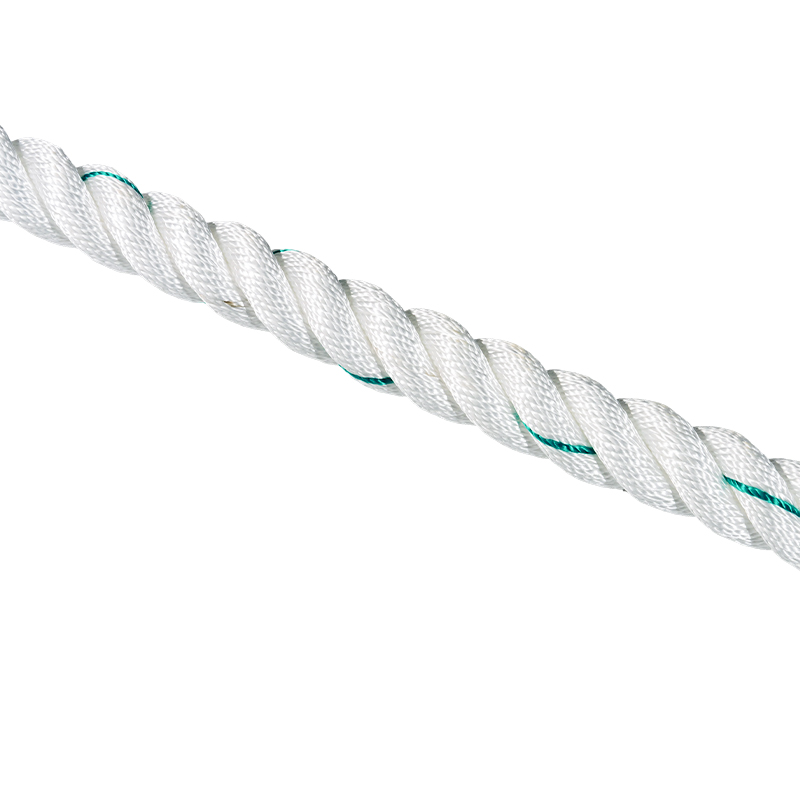
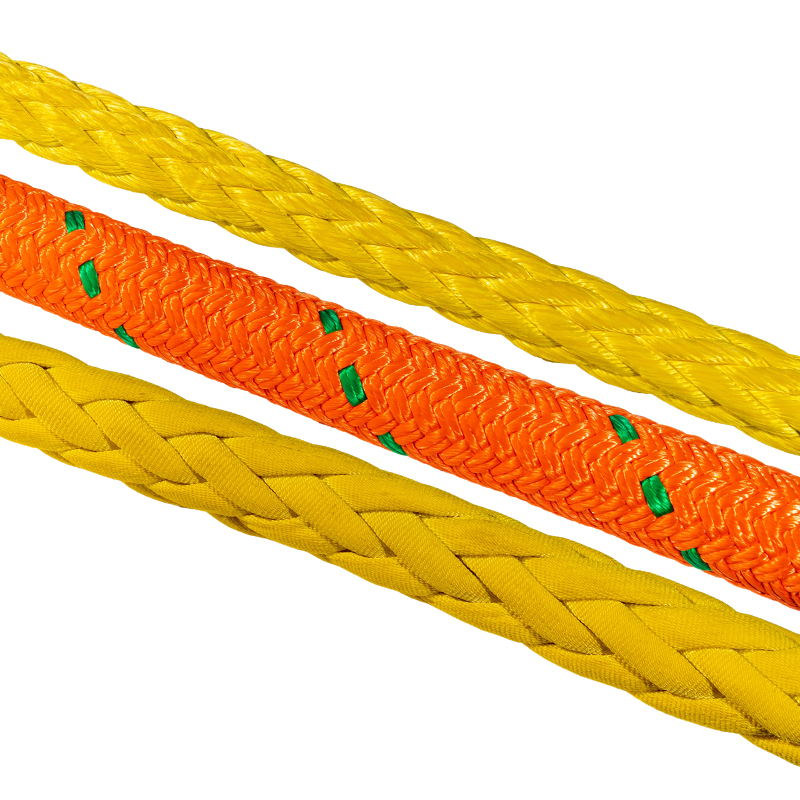
The performance characteristics of low-stretch polyester marine rope are largely determined by its internal construction. Most high quality marine ropes of this type use a double braid or braid on braid construction, consisting of an inner core and an outer sheath. The inner core is typically responsible for providing the majority of the rope's tensile strength and low-stretch properties, while the outer sheath protects the core from abrasion, ultraviolet exposure, and general wear caused by handling and contact with hardware such as cleats, winches, and blocks.
In many premium ropes, the core fibers are pre-stretched or heat set during manufacturing, a process that reduces the natural elasticity of the polyester fibers before the rope is ever put into service. This pre-treatment significantly enhances the rope's low-stretch performance, allowing it to maintain consistent length and tension characteristics even after repeated use. The outer sheath, meanwhile, is often woven using a tighter braid pattern to improve grip, handling comfort, and resistance to surface fraying, which is particularly important for lines that are frequently handled by hand, such as sheets and halyards.
Some manufacturers further enhance performance by blending polyester with small amounts of other fibers or by adjusting the braid density and tightness to fine tune the balance between flexibility, strength, and stretch resistance. While pure polyester rope offers excellent all around performance for most marine tasks, these specialized constructions allow rope manufacturers to produce lines optimized for specific applications, ranging from soft, easy to handle sheets to stiffer, more dimensionally stable lines used in standing rigging or mooring systems.
The defining property of low-stretch polyester marine rope is, unsurprisingly, its minimal elongation under load. This characteristic is critical in applications where precise control and consistent adjustment are required. For example, when used as a sail control line, low stretch performance ensures that once a sail trim adjustment is made, the sail shape remains stable rather than gradually loosening as the rope stretches under wind pressure. This consistency allows sailors to maintain optimal sail performance without constantly needing to readjust their lines during a sail.
Strength is another essential property, and polyester fibers offer a strong tensile capacity relative to their weight and cost. While not as strong per unit weight as some high performance fibers such as aramid or high modulus polyethylene, polyester provides a highly practical balance of strength, durability, and affordability that makes it suitable for the vast majority of recreational and many commercial marine applications. This balance is a major reason why polyester remains the most commonly used fiber for general purpose marine rope across the sailing and boating industry.
Resistance to environmental degradation is equally important for any rope intended for marine use. Polyester fibers exhibit excellent resistance to ultraviolet radiation from sun exposure, which is a significant advantage over materials like nylon that can degrade more quickly when exposed to prolonged sunlight. Additionally, polyester has relatively low water absorption compared to some natural and synthetic fibers, meaning it does not become significantly heavier or lose substantial strength when wet, an important consideration for rope that will inevitably be exposed to seawater, rain, and general moisture throughout its service life.
When evaluating rope options for marine use, it is useful to understand how low-stretch polyester rope compares to other common materials. Nylon rope, for instance, offers excellent shock absorption due to its higher elasticity, making it well suited for anchor lines and applications where some degree of stretch is actually beneficial to absorb sudden loads. However, this same elasticity makes nylon a poor choice for applications requiring precise control, such as halyards or sheets, where excessive stretch would compromise sail trim and control.
High performance fibers such as aramid, or various forms of high modulus polyethylene, offer even lower stretch and higher strength to weight ratios than polyester, making them popular choices for racing sailboats and performance oriented rigging where minimizing weight and maximizing control are top priorities. However, these advanced fibers typically come at a significantly higher cost and may require more specialized handling and care compared to polyester rope. For most recreational sailors, cruisers, and general marine applications, the performance offered by low-stretch polyester strikes an effective balance between capability and practicality, delivering reliable low stretch performance without the premium cost associated with high performance racing fibers.
Low-stretch polyester marine rope is used across a remarkably wide range of marine applications, reflecting its versatility and dependable performance characteristics. In sailing, it is commonly used for halyards, the lines responsible for raising and lowering sails, where minimal stretch ensures the sail remains properly hoisted and tensioned throughout use. It is equally popular for sheets, the lines used to control the angle and trim of sails relative to the wind, where consistent, predictable behavior under load allows sailors to fine tune performance with confidence.
Beyond active sail control lines, low-stretch polyester rope is frequently used in standing rigging support systems, lifeline construction, and various control lines throughout a vessel's deck hardware setup. Its dimensional stability makes it well suited for applications where maintaining a fixed length or tension over extended periods is important, since the rope will not gradually stretch and require frequent readjustment the way higher elasticity materials might.
Mooring and docking applications also benefit from polyester rope, particularly in situations where controlled, minimal movement is preferred over the shock absorbing stretch offered by nylon. While nylon remains popular for many anchor and mooring applications specifically because of its elasticity, polyester is often selected for secondary mooring lines, spring lines, and other dock line applications where excessive stretch could allow a vessel to drift further from the dock than desired. Commercial marine operations, including cargo securing, towing support lines, and general rigging tasks aboard working vessels, also make extensive use of low-stretch polyester rope due to its combination of strength, durability, and predictable performance under load.
Marine environments present a uniquely harsh set of conditions for any rope material to endure, including constant exposure to saltwater, sun, wind, friction against hardware, and repeated flexing during use. Low-stretch polyester marine rope is well suited to withstand these challenges due to several inherent material properties. Its resistance to ultraviolet degradation means that ropes exposed to prolonged sunlight, a common occurrence on boats and vessels operating in sunny climates, will maintain their strength and flexibility for significantly longer than materials more susceptible to sun damage.
Abrasion resistance is another important durability factor, particularly for lines that regularly pass through blocks, winches, or fairleads, or that come into contact with deck surfaces and hardware edges. The tightly woven outer sheath common in quality polyester marine rope helps protect the load bearing core fibers from surface wear, extending the overall service life of the rope even under frequent handling and friction. Additionally, polyester's relatively low water absorption helps prevent the internal fiber degradation that can sometimes occur in ropes that retain significant moisture over time, further supporting long term durability in wet marine conditions.
Proper handling and maintenance play a significant role in maximizing the lifespan and performance of low-stretch polyester marine rope. Regular rinsing with fresh water helps remove accumulated salt crystals, which can otherwise contribute to internal fiber abrasion over time as the rope flexes and bends during normal use. Allowing rope to fully dry before extended storage helps prevent the growth of mold or mildew, particularly in humid marine environments where moisture can linger within tightly braided rope structures.
Periodic inspection is equally important, particularly for rope used in critical applications such as halyards or rigging support lines. Sailors and marine professionals should routinely check for signs of surface fraying, discoloration, stiffness, or reduced flexibility, all of which can indicate accumulated wear or potential internal damage. Ropes showing significant wear in high load areas should be evaluated for replacement, particularly in safety critical applications where rope failure could pose a risk to vessel operation or crew safety. Proper coiling and storage techniques, avoiding sharp bends or prolonged kinking, further help preserve the rope's structural integrity and low stretch performance over its working life.
Choosing the appropriate diameter and specification of low-stretch polyester marine rope depends on the intended application, the size of the vessel, and the expected load requirements. Larger diameter ropes generally offer greater strength and are often preferred for high load applications such as mooring lines or primary halyards on larger vessels, while smaller diameter ropes may be sufficient for lighter control lines or smaller boats where reduced weight and easier handling are priorities.
Beyond diameter, buyers should also consider factors such as breaking strength ratings, which indicate the maximum load the rope can theoretically withstand before failure, though working loads should always be maintained well below this maximum for safety purposes. Rope stiffness and hand feel are also worth evaluating, particularly for lines that will be frequently handled, since overly stiff rope can be uncomfortable to grip and manage, while excessively soft rope may lack the dimensional stability desired in certain rigging applications. Consulting with rigging professionals or referring to manufacturer specifications can help ensure that the selected rope matches the specific demands of the intended marine application.
While low-stretch polyester marine rope generally costs more than basic utility rope, it remains considerably more affordable than premium high performance fibers such as aramid or high modulus polyethylene, positioning it as a practical middle ground for most sailors and marine professionals. The combination of reasonable upfront cost, strong durability, and reliable performance under load means that polyester rope often delivers excellent long term value, particularly for recreational sailors and cruisers who do not require the extreme performance characteristics demanded by competitive racing applications.
When factoring in the extended service life resulting from polyester's resistance to ultraviolet degradation and moisture related wear, the overall cost per year of service often compares favorably against cheaper, less durable rope alternatives that may require more frequent replacement. For businesses supplying marine hardware, boat builders, and rigging professionals, offering high quality low-stretch polyester rope allows them to meet the practical needs of the vast majority of their customer base while reserving premium high performance fibers for specialized racing or extreme performance applications.
Low-stretch polyester marine rope has established itself as a foundational material within the sailing and marine industry, offering a dependable combination of minimal elongation, strong tensile performance, and excellent resistance to the harsh conditions inherent to marine environments. From sail control lines and rigging support to mooring and general purpose marine tasks, its versatility and consistent performance make it a trusted choice for recreational sailors, commercial operators, and marine professionals alike. By understanding its construction, key performance properties, and proper maintenance practices, buyers can select and care for low-stretch polyester marine rope in a way that maximizes both safety and long term value across a wide range of marine applications.
Mar 12. 2026
What Are the Most Common Practical Uses for Polypropylene Rope?Core Applications of Polypropylene Rope in Marine and Water Activities In the modern rope industry, Polypropylene Rope (often referred to as “PP rope” or “floating rope”) has become an irreplaceable tool for water-based ...
Read MoreMar 12. 2026
Polyester Rope Guide: Types, Uses, Strength & Buying TipsPolyester rope is one of the most versatile and reliable cordage options available today. It outperforms nylon in UV resistance, holds its strength when wet, and stretches far less under load — making it the preferred c...
Read MoreMar 13. 2026
What is polyester rope and why is it the best choice for most applicationsWhat Is Polyester Rope? Understanding the Basics Polyester rope is one of the most widely used synthetic ropes in the world today, valued across industries for its exceptional balance of strength, durability, and resista...
Read More


 English
  русский
  Español
  عربى
عربى