2026.07.08
 Industry News
Content
When it comes to marine rigging, mooring, and towing operations, rope elongation can mean the difference between a controlled maneuver and a dangerous failure. This is precisely where low-stretch marine polyester rope proves its value. Engineered to resist elongation under heavy loads while maintaining excellent abrasion resistance, this type of rope has become a staple across sailing, commercial shipping, and offshore industries.
Low-stretch marine polyester rope is a specialized cordage product manufactured from high-tenacity polyester fibers, often braided or twisted into a construction that minimizes elongation under tension. Unlike standard nylon rope, which is prized for its shock-absorbing stretch, polyester rope is designed to hold its length even when subjected to repeated loading cycles. This makes it ideal for applications where dimensional stability and predictable performance are essential.
The term low stretch typically refers to elongation values ranging from around two to eight percent at break, depending on the construction method and fiber grade used. Compared to general-purpose polyester lines, low-stretch variants often incorporate tighter braiding patterns or pre-stretching treatments during manufacturing to further reduce creep over time.
Manufacturers achieve low elongation properties through several techniques. High-tenacity polyester yarns are spun with a tighter molecular alignment, increasing stiffness and reducing creep. Many low-stretch ropes also use a double braid or parallel core construction, where an inner core carries the primary load while an outer braid provides abrasion protection and a comfortable grip.
Pre-stretching, sometimes called heat setting, is another common process. During manufacturing, the rope is subjected to controlled tension and heat to remove initial slack in the fiber structure. This step significantly reduces the amount of stretch the rope will exhibit once it is placed into service, resulting in more predictable and consistent performance over its working life.
| Application | Why Low Stretch Matters |
|---|---|
| Sailboat Running Rigging | Provides precise sail trim and control without excessive give under wind load |
| Mooring Lines | Reduces vessel drift caused by rope stretching in variable conditions |
| Anchor Lines | Keeps holding position stable while resisting UV and saltwater exposure |
| Towing and Docking | Offers predictable load response during controlled pulling operations |
| Halyards and Sheets | Ensures consistent sail shape and responsive handling on the water |
Choosing the right rope material depends heavily on the intended application. The table below compares polyester with two other commonly used marine rope fibers.
| Material | Stretch Level | Best Use Case |
|---|---|---|
| Polyester | Low | Running rigging, mooring, general purpose lines |
| Nylon | High | Anchor rodes and dock lines needing shock absorption |
| Dyneema or HMPE | Very Low | High performance racing and load-critical rigging |
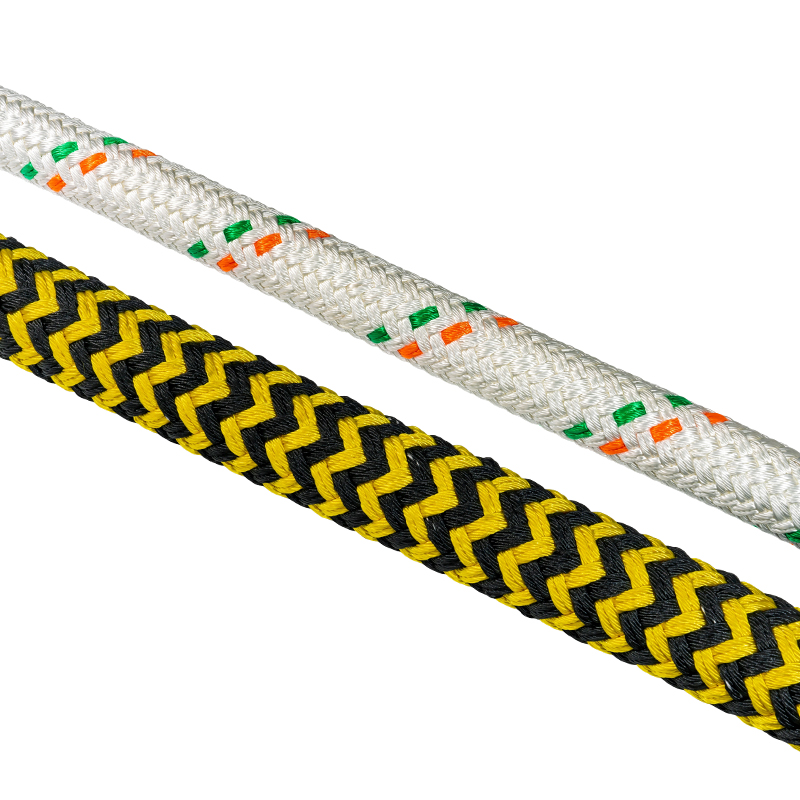
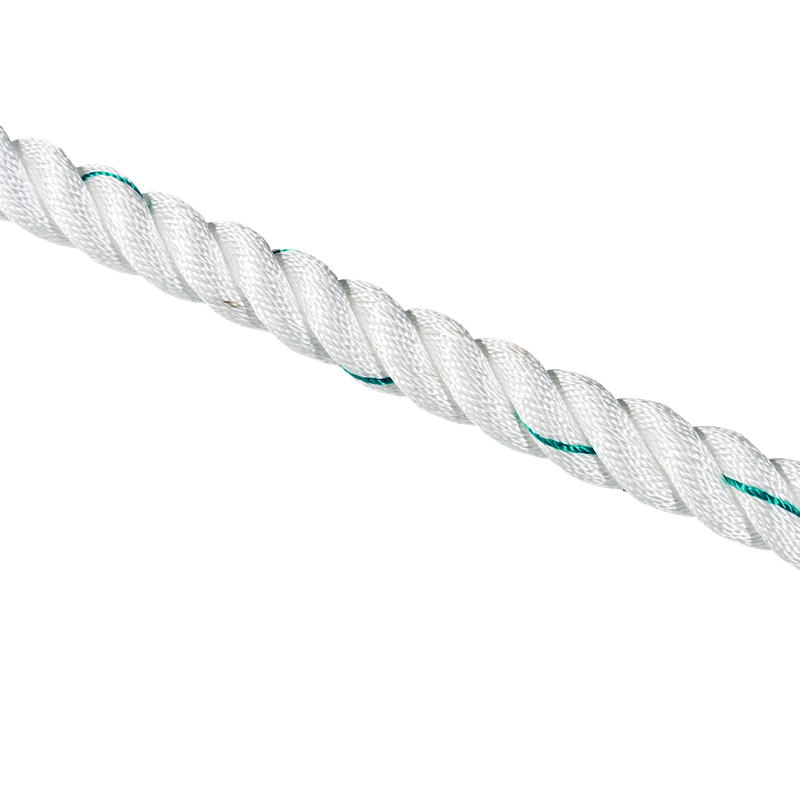
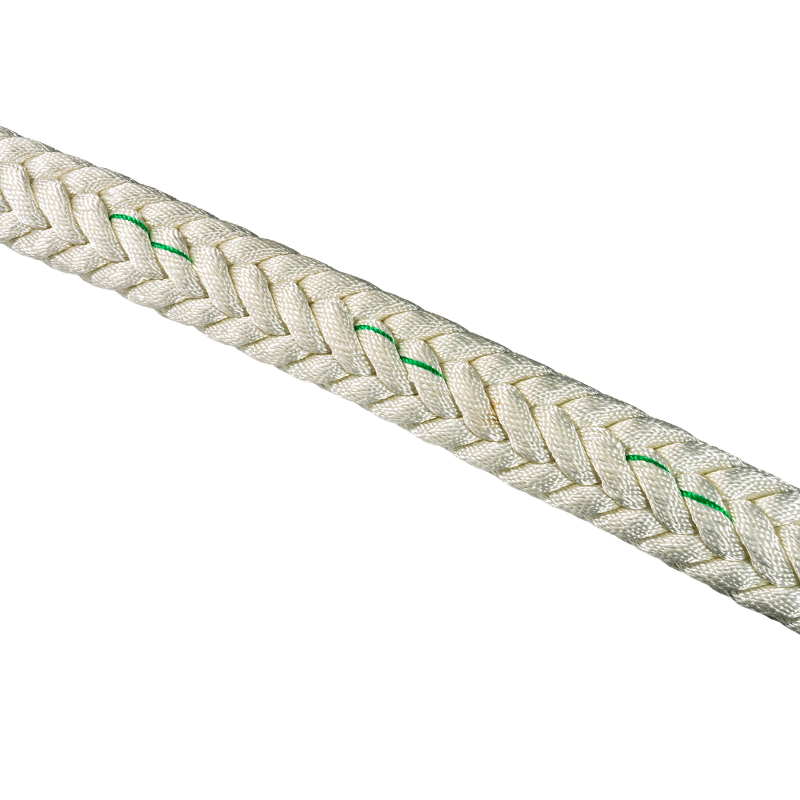
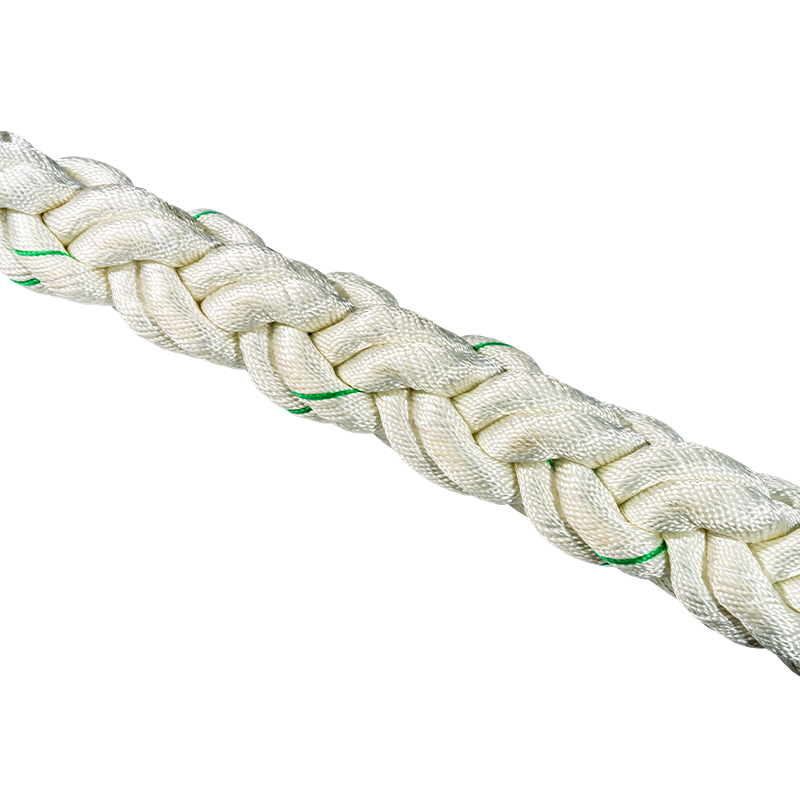
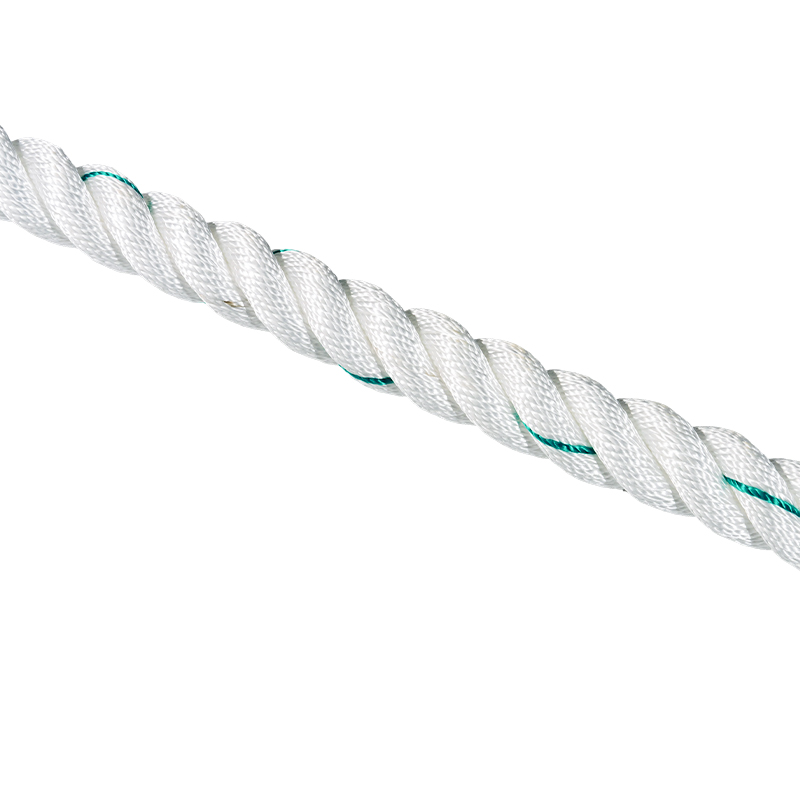
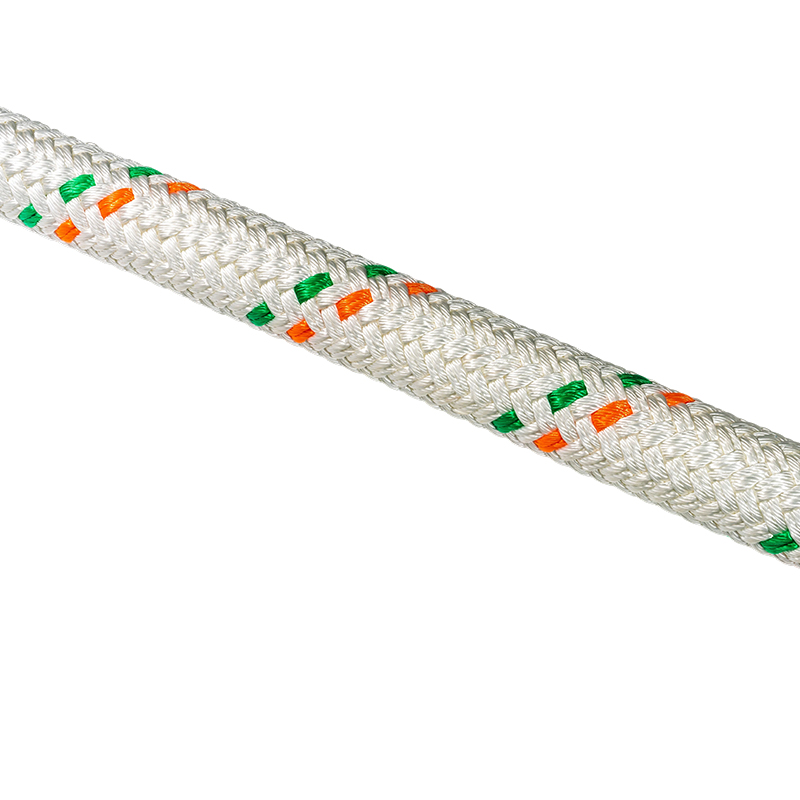
Low-stretch polyester rope is manufactured in several constructions, each offering distinct handling and performance characteristics.
Selecting an appropriate low-stretch polyester rope involves evaluating several factors. Diameter should match the load requirements and the hardware it will pass through, such as blocks, cleats, and winches. Breaking strength ratings should always include an adequate safety margin above the maximum expected working load. Consider also the rope construction, since double braid options generally offer smoother handling for frequent adjustment tasks, while three strand rope may be preferable for fixed mooring applications where splicing simplicity is valued.
Color coding is another practical consideration on larger vessels, as many sailors use distinct colors to quickly identify different lines, such as halyards versus sheets, reducing confusion during time-sensitive maneuvers.
Does low-stretch polyester rope float on water
Standard polyester rope has a density slightly greater than water, so it generally sinks rather than floats, unlike polypropylene rope.
How long does marine polyester rope typically last
Service life varies with usage intensity and UV exposure, but well-maintained polyester rope commonly performs reliably for several years before replacement becomes necessary.
Can low-stretch polyester rope be used for anchoring
While it can be used, nylon is often preferred for anchor rodes because its elasticity helps absorb sudden shock loads from wave action, something low-stretch polyester is specifically designed to minimize.
Low-stretch marine polyester rope offers a dependable combination of strength, minimal elongation, and resistance to harsh marine conditions. Whether outfitting a sailboat with new running rigging or securing a vessel with reliable mooring lines, understanding its construction, properties, and proper maintenance ensures the rope performs safely and consistently throughout its working life.
Mar 12. 2026
What Are the Most Common Practical Uses for Polypropylene Rope?Core Applications of Polypropylene Rope in Marine and Water Activities In the modern rope industry, Polypropylene Rope (often referred to as “PP rope” or “floating rope”) has become an irreplaceable tool for water-based ...
Read MoreMar 12. 2026
Polyester Rope Guide: Types, Uses, Strength & Buying TipsPolyester rope is one of the most versatile and reliable cordage options available today. It outperforms nylon in UV resistance, holds its strength when wet, and stretches far less under load — making it the preferred c...
Read MoreMar 13. 2026
What is polyester rope and why is it the best choice for most applicationsWhat Is Polyester Rope? Understanding the Basics Polyester rope is one of the most widely used synthetic ropes in the world today, valued across industries for its exceptional balance of strength, durability, and resista...
Read More


 English
  русский
  Español
  عربى
عربى