2026.07.29
 Industry News
Content
Polypropylene rope and polyester rope differ mainly in three areas: polypropylene is lighter, floats on water, and costs less to produce, while polyester offers greater resistance to ultraviolet exposure, holds its shape under load with less stretch, and generally lasts longer when used outdoors or in marine settings. Both are synthetic fiber ropes, but the underlying polymer chemistry gives each one a distinct set of strengths that make them suited to different working conditions rather than one simply replacing the other across every application.
Polypropylene rope is made from a thermoplastic polymer derived from propylene gas, spun into fibers that are notably lighter than many other synthetic rope materials, which is why polypropylene rope floats rather than sinks when dropped in water. This buoyancy makes it a common choice for water rescue lines, pool safety ropes, and marine applications where a sinking line could tangle in a propeller or become difficult to retrieve.
Polyester rope is composed of high-quality polyester fibers that carry a denser molecular structure than polypropylene, giving the material a higher tensile strength relative to its diameter along with a comparatively low stretch factor under tension. Because polyester fiber does not float, ropes made from it sink in water, which is generally not a drawback in applications such as ship mooring, lashing, or rigging where the rope needs to stay taut and controlled rather than drifting on a surface.
A rope's stretch characteristic matters considerably in applications where consistent length under load is important, such as rigging or lifting operations where a rope that keeps elongating under strain can throw off positioning or create a jarring recoil if it suddenly releases stored energy. Polyester rope maintains a comparatively low elongation figure, often cited around 10% to 15% at break, meaning it stretches only modestly before reaching its structural limit, which supports predictable behavior in load-bearing tasks.
Polypropylene rope, by contrast, tends to stretch more under comparable load, often in a range that can approach 15% to 20% depending on the braid construction, and this added elongation can be useful in applications where some shock absorption is welcome, such as general towing or securing loads that may shift slightly during transport, but less suited to precision rigging where movement needs to stay minimal.
Polyester rope carries strong resistance to ultraviolet degradation, chemical corrosion, and prolonged exposure to sunlight, rain, or seawater, maintaining stable performance across extended outdoor use where a weaker fiber might gradually weaken and become brittle. This resistance profile is one of the reasons polyester rope appears frequently in navigation, marine mooring, and outdoor industrial settings where a rope stays exposed to the elements for months or years at a stretch without being replaced.
Polypropylene rope holds up reasonably well against moisture and many chemicals, including certain acids and oils, which makes it a workable choice around water treatment facilities or light industrial settings, but it tends to degrade more noticeably under sustained ultraviolet exposure compared with polyester. Ropes left outdoors in direct sun for long stretches, particularly in tropical or high-altitude climates, may show fiber weakening and surface fraying sooner in polypropylene than in a comparable polyester line, so many manufacturers add ultraviolet stabilizer additives during production to slow this effect.
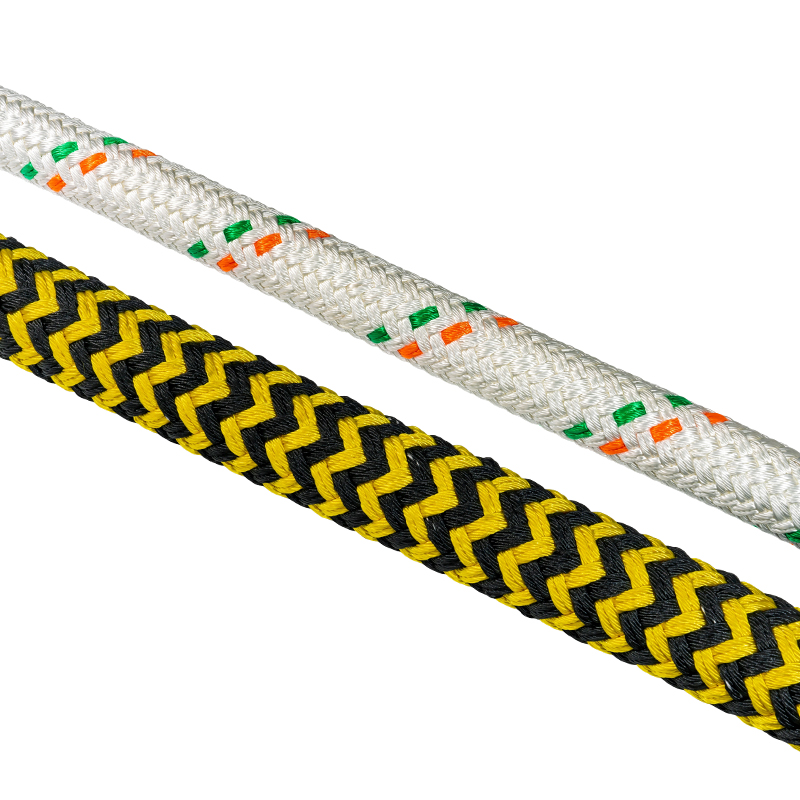
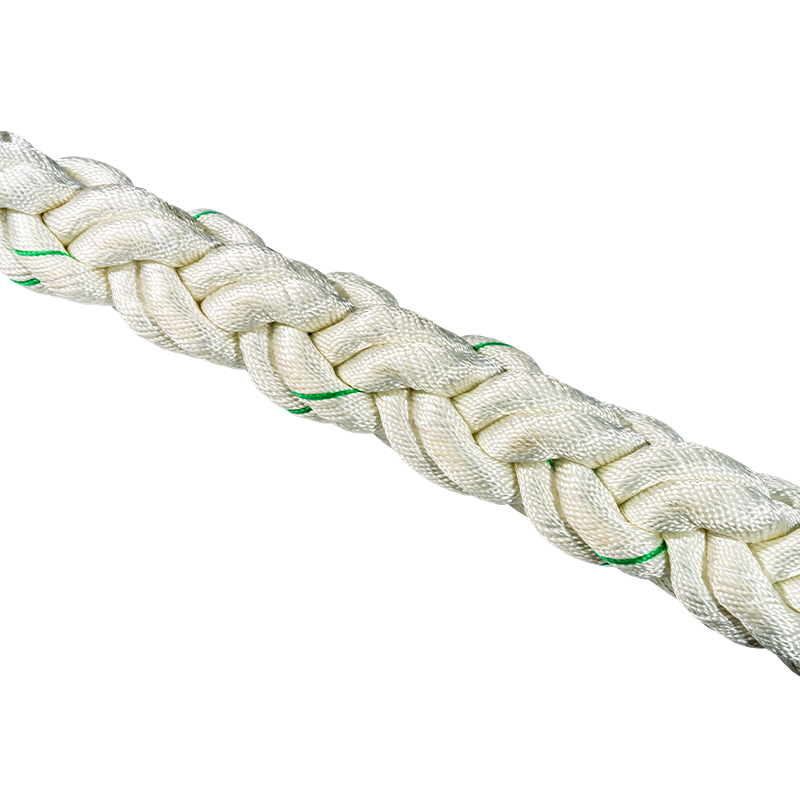
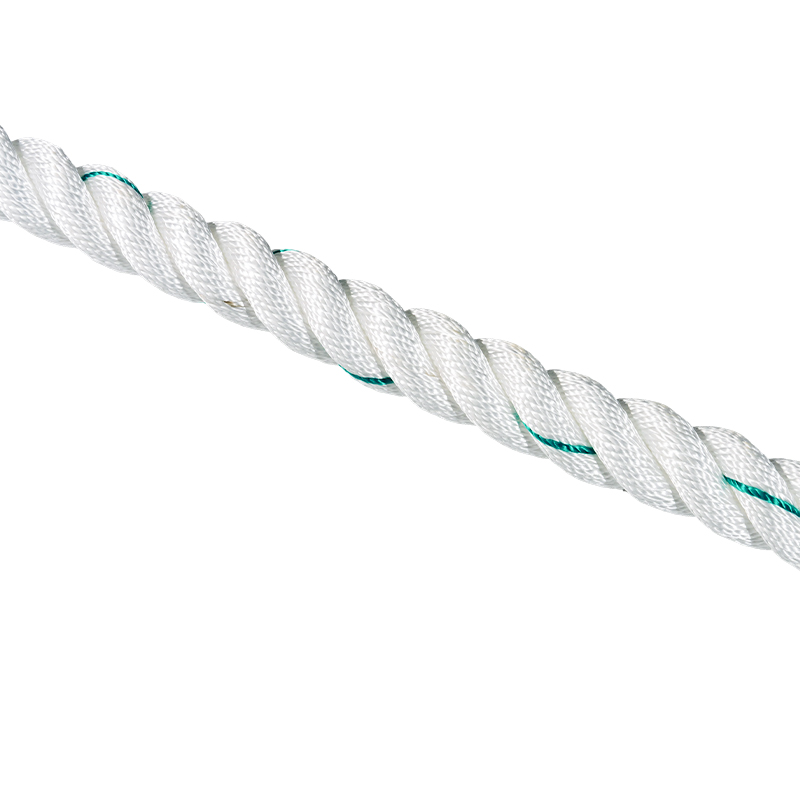
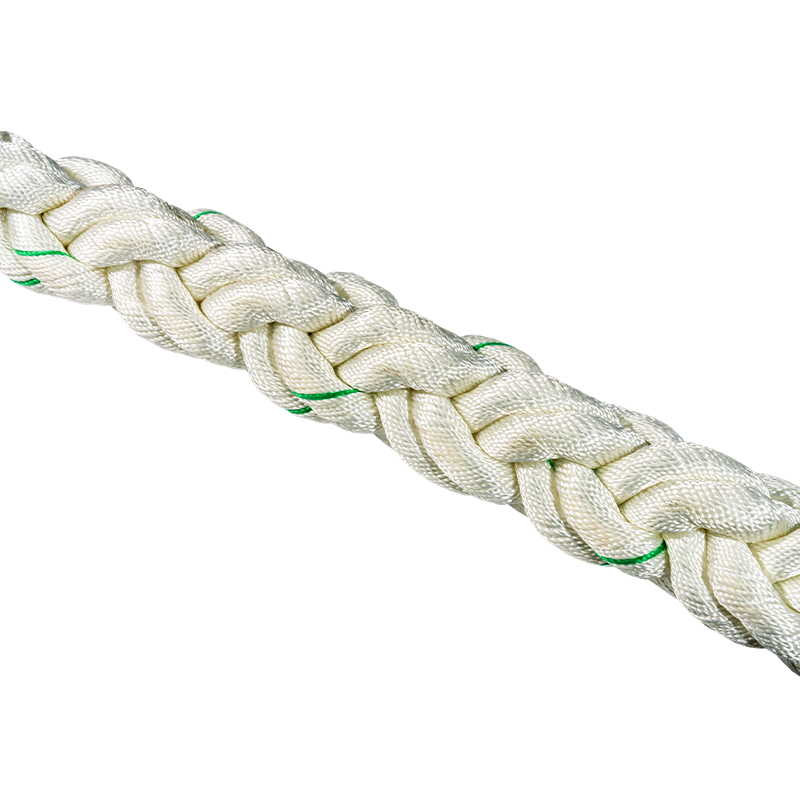
Polyester rope is manufactured in several structural forms, each suited to a different balance of flexibility, strength, and ease of handling. A 3-strand construction twists three bundles of fiber together into a sturdy, durable line that is comparatively easy to tie and untie, which suits everyday lashing and general utility work. An 8-strand braid arranges fibers in a balanced pattern that produces a softer, more torsion-resistant rope, often selected for ship mooring and offshore fixing where twisting forces are common.
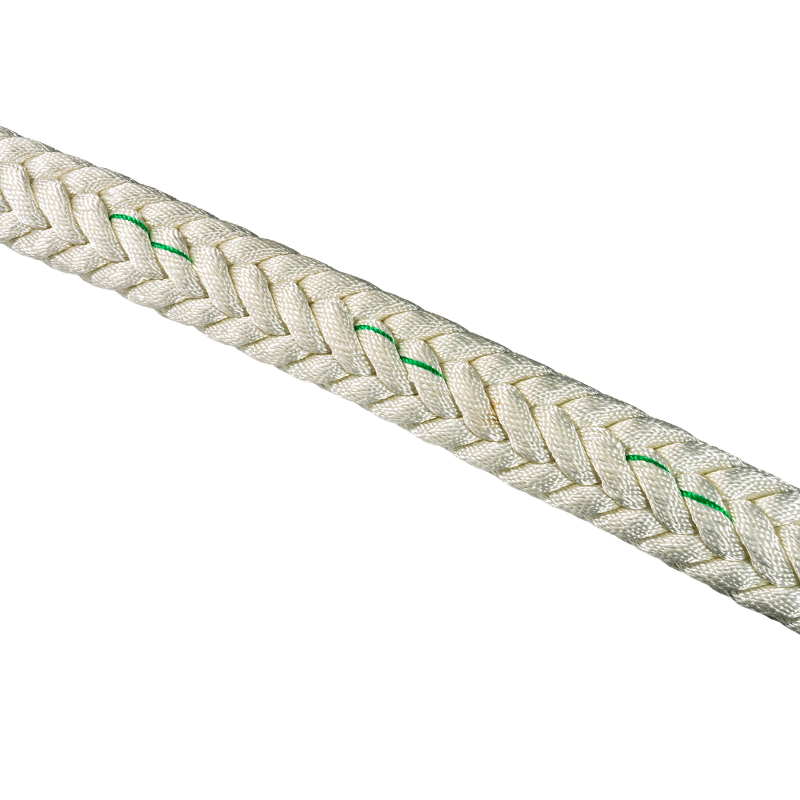
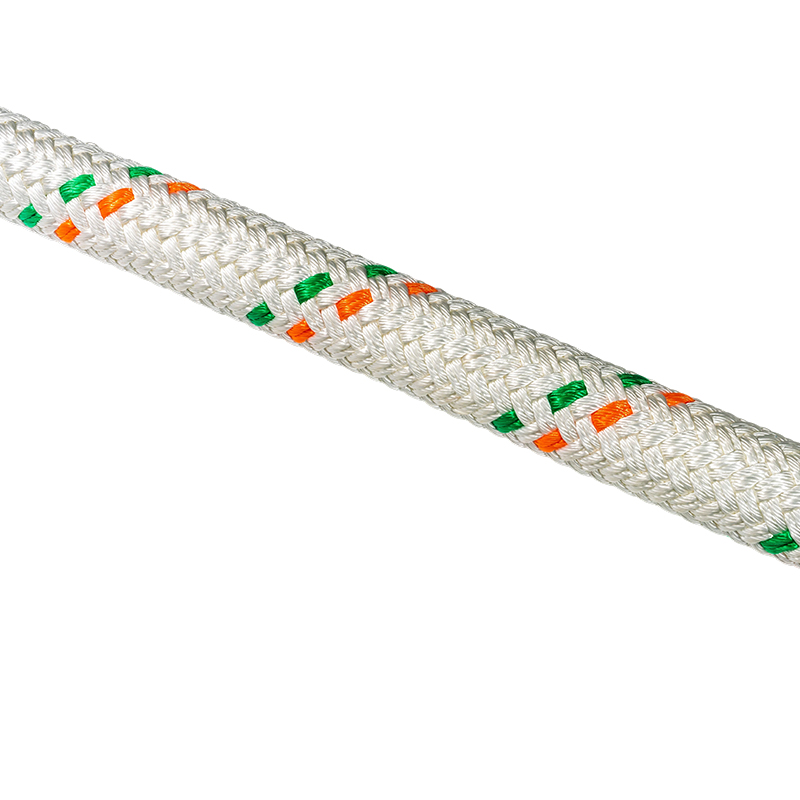
A 12-strand construction uses a high-density hollow braid that keeps the rope relatively lightweight for its strength while remaining straightforward to splice, a quality valued in heavy lifting and rescue operations where reliable termination points matter. Double braided rope combines two structural layers, an abrasion-resistant outer sheath wrapped around a high-tensile inner core, which produces a rope with comparatively low stretch and strong resistance to surface wear, suiting environments where the line experiences frequent friction against hardware or other surfaces.
In many double braided and 12-strand polyester ropes, the inner core carries the bulk of the tensile load while the outer sheath is woven separately to handle surface exposure, hardware contact, and general wear from handling. Core fibers in higher-grade ropes are often pre-stretched or heat set during manufacturing, a process that tightens the fiber structure in advance so the finished rope holds its length more consistently under repeated loading rather than gradually elongating over its working life. The outer sheath is typically woven tightly to improve grip and handling comfort while resisting surface fraying, which matters particularly where the rope runs frequently through blocks, cleats, or winches.
| Braid Type | Characteristics | Typical Application |
|---|---|---|
| 3-Strand | Sturdy, easy to tie and untie | Daily lashing operations |
| 8-Strand | Balanced braid, soft, torsion-resistant | Ship mooring, offshore fixing |
| 12-Strand | High-density hollow braid, lightweight, easy to splice | Heavy lifting, rescue work |
| Double Braided | Two-layer structure, abrasion resistant, low elongation | High-load, high-friction environments |
Core Construction Features
Double braid or braid-on-braid construction paired with a protective outer sheath
Pre-stretched or heat set core fibers for improved dimensional stability
Tightly woven sheath for abrasion resistance and comfortable handling
Polypropylene rope shows up frequently in agricultural settings for bundling and general tie-down work, in swimming pool lane dividers and safety lines where floating on the surface matters, and in water sports equipment such as ski tow lines where light weight and buoyancy support ease of handling. Its lower manufacturing cost relative to polyester also makes it a practical option for temporary construction site barriers, packaging applications, and other tasks where the rope is not expected to face years of continuous outdoor exposure.
Because polypropylene resists rot and does not absorb water the way natural fiber ropes do, it also finds use in marine environments for tasks such as dock lines on smaller vessels, though owners of larger craft or those mooring in harsher offshore conditions often prefer polyester for its steadier long-term performance against sun and salt exposure.
Selecting between polypropylene and polyester rope generally comes down to weighing exposure conditions, load requirements, and budget against one another. A project involving prolonged sun exposure, marine mooring, or rigging where minimal stretch matters tends to favor polyester rope despite its higher material cost, since the added durability and stable load behavior reduce the frequency of replacement over time. Tasks involving water buoyancy, shorter-term use, or budget-conscious general utility work often suit polypropylene rope well, particularly when the rope will not remain under constant ultraviolet exposure for years at a stretch.
Rope diameter, braid construction, and any additive treatments applied during manufacturing also influence how either material performs in a specific setting, so matching the construction type, whether 3-strand, 8-strand, 12-strand, or double braided, to the actual working load and friction conditions of the task at hand tends to matter as much as the base fiber choice itself. Some manufacturers also blend polyester with small amounts of other fiber types to adjust handling feel or added resistance, producing lines that range from soft, easy to handle sheets to stiffer, more dimensionally stable ropes used in standing rigging or mooring applications.
Mar 12. 2026
What Are the Most Common Practical Uses for Polypropylene Rope?Core Applications of Polypropylene Rope in Marine and Water Activities In the modern rope industry, Polypropylene Rope (often referred to as “PP rope” or “floating rope”) has become an irreplaceable tool for water-based ...
Read MoreMar 12. 2026
Polyester Rope Guide: Types, Uses, Strength & Buying TipsPolyester rope is one of the most versatile and reliable cordage options available today. It outperforms nylon in UV resistance, holds its strength when wet, and stretches far less under load — making it the preferred c...
Read MoreMar 13. 2026
What is polyester rope and why is it the best choice for most applicationsWhat Is Polyester Rope? Understanding the Basics Polyester rope is one of the most widely used synthetic ropes in the world today, valued across industries for its exceptional balance of strength, durability, and resista...
Read More


 English
  русский
  Español
  عربى
عربى