2026.10.02
 Industry News
Content
Few questions come up as often in our workshop as whether to choose nylon or polypropylene rope. It is a fair question, because the two materials can look similar on a spool but behave very differently on a winch, a cleat, or a bollard. At Jiangsu Haifeng Rope Technology Co., Ltd., we have spent the past two decades manufacturing both material families, from 3-strand and 8-strand constructions to double braid and 12-strand designs. This guide compares nylon, also known as polyamide, with polypropylene rope on strength, stretch, moisture resistance, UV performance, and cost, so you can choose with confidence for your marine, industrial, or port application.
Nylon, or polyamide, was one of the first fully synthetic fibers and it remains the benchmark for strength and elasticity in rope making. Its long-chain polymer structure gives the fiber high tenacity, excellent flex life, and outstanding resistance to abrasion. Polypropylene, by contrast, is a lighter thermoplastic polymer with a waxy, low-friction surface. Its density is only about 0.91 grams per cubic centimeter, which is why polypropylene rope floats while nylon rope sinks.
That single difference drives many of the practical decisions in shipbuilding, marine engineering, and port operations. From a production standpoint, both fibers run well on braiding and twisting machinery, but they require different process parameters. Nylon needs careful tension control during manufacturing to lock in its elasticity; polypropylene is easier to process and more forgiving, which helps keep its cost low.
The most important mechanical difference is strength, measured as breaking force at a given diameter. Nylon rope is typically 30 to 50 percent stronger than polypropylene rope of the same diameter, and it also tolerates repeated cyclic loading better. When a rope is constantly tensioned and released, as happens to mooring lines in a swell, nylon's ability to absorb energy reduces internal fatigue. Polypropylene has lower tenacity and can lose strength more quickly under dynamic loads.
Stretch is the other side of the equation. Nylon elongates between 20 and 40 percent before breaking, which makes it excellent for shock-loading applications such as towing hawsers and anchor lines. The stretch acts like a spring, absorbing sudden loads that would otherwise snap a low-elongation rope. Polypropylene stretches far less and feels stiffer in the hand, which can help hold a load position steady but becomes a disadvantage when impact loads are expected.
These two fibers respond very differently to their environment. Nylon absorbs up to about 10 percent of its weight in water, and wet nylon can lose roughly 10 to 15 percent of its breaking strength. It must be dried properly before long-term storage to avoid hydrolysis and mildew. Polypropylene absorbs almost no water and dries instantly, so it performs well in rain, spray, and splash zones.
Sunlight is a key lifetime factor. Both materials degrade under ultraviolet radiation, but polypropylene generally has better natural UV resistance than nylon, especially in the high-denier fibers used for rope. Nylon's UV performance can be improved with carbon black or ultraviolet inhibitors added to the polymer. In chemical environments, polypropylene resists acids, alkalis, and solvents better than nylon, which remains vulnerable to strong acids and oxidizing agents. In most seawater and harbor conditions, however, both fibers serve well when the rope diameter and construction are matched to the load.
The table below summarizes the key differences between the two materials.
| Property | Nylon (Polyamide) Rope | Polypropylene Rope |
|---|---|---|
| Breaking strength | Higher | Moderate |
| Stretch at break | 20-40% | 15-20% |
| Floats in water | No | Yes |
| Water absorption | Up to about 10% | Negligible |
| UV resistance | Moderate | Good |
| Abrasion resistance | Excellent | Fair to good |
| Chemical resistance | Fair, vulnerable to strong acids | Excellent against acids, alkalis, solvents |
| Relative cost | Higher | Lower |
| Typical uses | Mooring, towing, lifting slings | Floating lines, aquaculture, cargo lashing |
Nylon rope earns its keep wherever loads are heavy, dynamic, or abrasive. Mooring lines on ships and offshore structures benefit from its elasticity, which reduces peak loads on bitts and deck hardware. Towing hawsers rely on nylon's shock absorption to prevent sudden parting when a wake or surge hits the towline. Lifting and rigging applications use nylon because the fiber withstands repeated flexing and abrasion better than most synthetics.
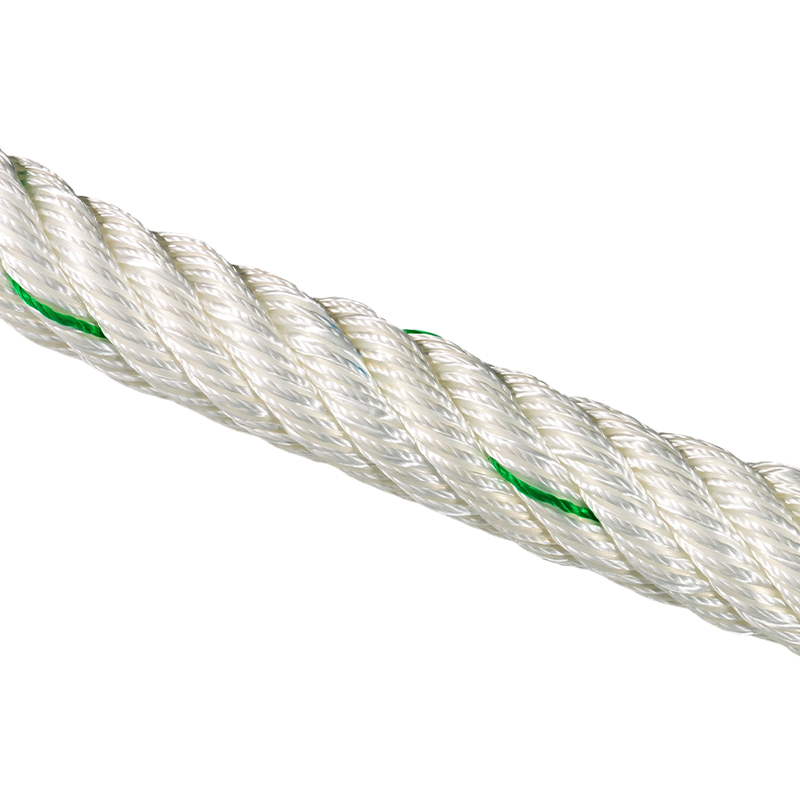
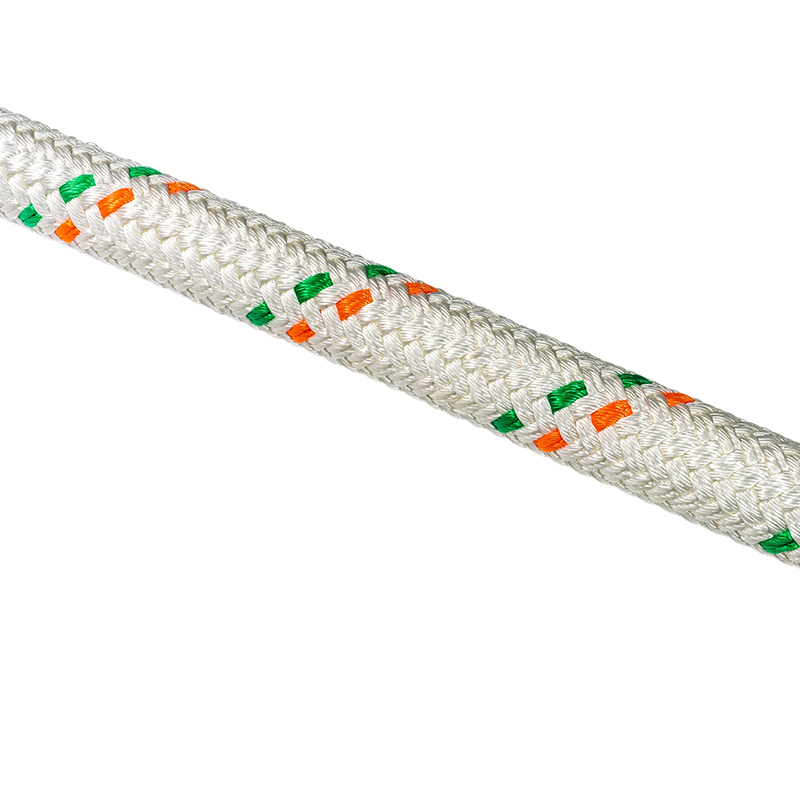
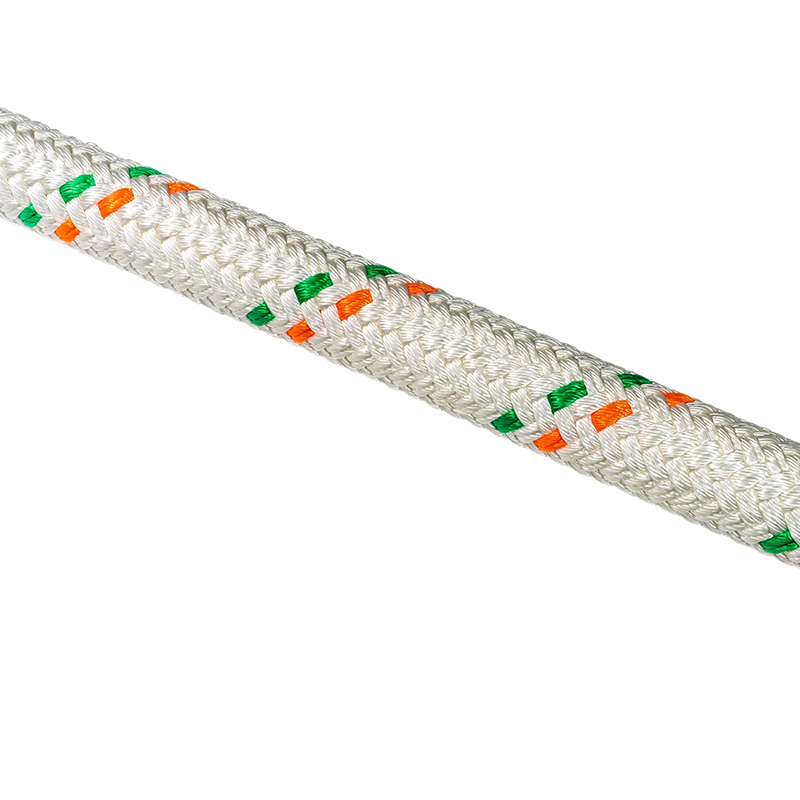 12-Strand Nylon Rope for Demanding Mooring and Towing TasksThis 12-strand nylon rope balances strength, flexibility, and splicing ease, making it ideal for heavy mooring and towing where shock absorption and abrasion resistance are critical.View Product →
In our experience, a 12-strand nylon rope offers an excellent balance of strength, flexibility, and easy splicing for these demanding jobs. To understand why 12-strand construction has become the standard for modern nylon lines, see our guide to what 12-strand nylon rope is and why it performs so well.
One caution: because nylon loses some strength when wet, lines that stay in the water should be sized with an appropriate safety factor and inspected regularly.
Polypropylene rope shines where weight, flotation, and cost matter more than maximum strength. Because it floats, the rope stays on the surface, making it easy to see, retrieve, and handle on the water. That makes polypropylene a natural fit for aquaculture nets, rescue lines, water-sport tow ropes, and temporary buoy lines. It is also widely used for cargo lashing and general-purpose tie-downs where loads are modest and a low-cost, lightweight rope is preferred.
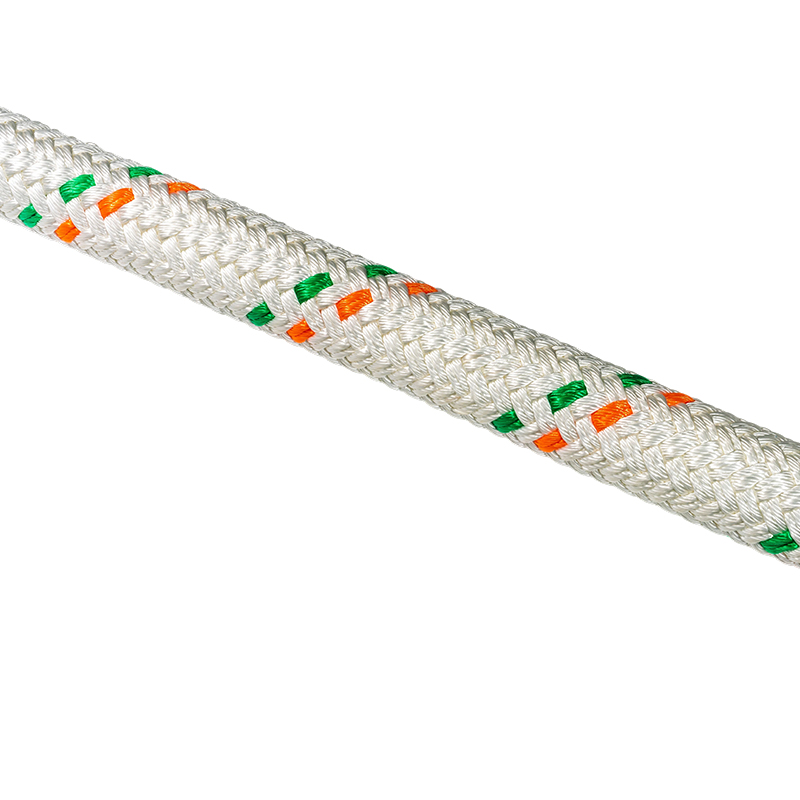
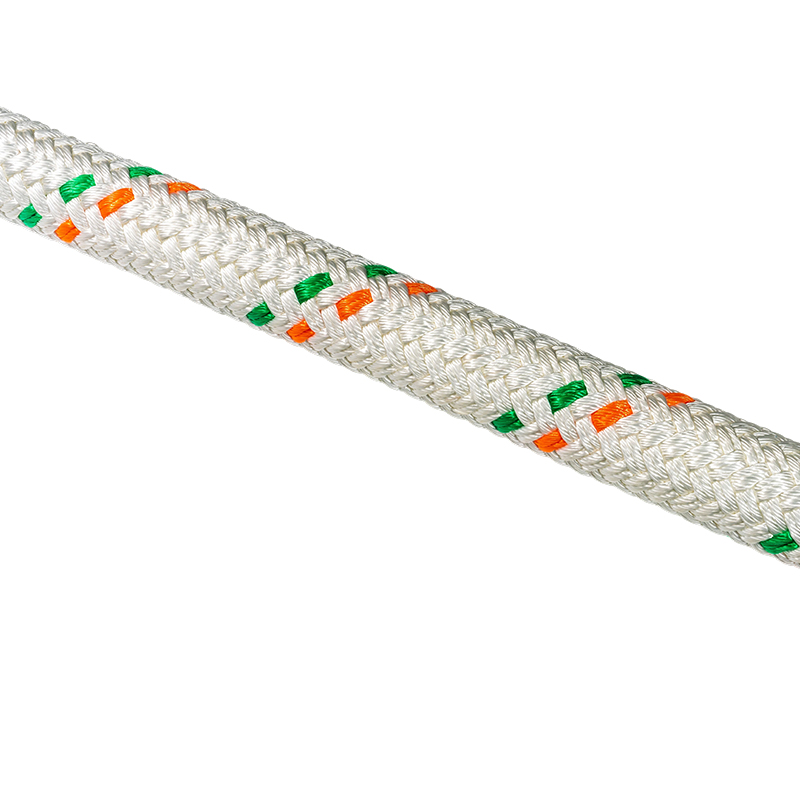 Lightweight 12-Strand Polypropylene Rope for Marine and Utility UseA floating, low-cost 12-strand polypropylene rope with high tensile strength and reduced elongation, suited for aquaculture, rescue lines, cargo lashing, and cold-weather outdoor work.View Product →
Polypropylene's resistance to moisture and many chemicals also makes it a practical choice in agricultural, municipal, and industrial settings where the rope may contact fertilizers, detergents, or runoff. In cold conditions the fiber stays supple and does not stiffen the way some other thermoplastics do, which is an advantage for crews working outdoors in winter.
Initial price usually favors polypropylene. The raw material is inexpensive and the manufacturing process is efficient, so polypropylene rope costs less per meter than nylon. Nylon commands a premium because of its higher strength, better abrasion resistance, and longer service life under load. Over the lifetime of a demanding application, that premium is often justified. A nylon line that lasts several seasons and requires fewer replacements can deliver a lower total cost than a polypropylene line that is cheaper to buy but wears out faster.
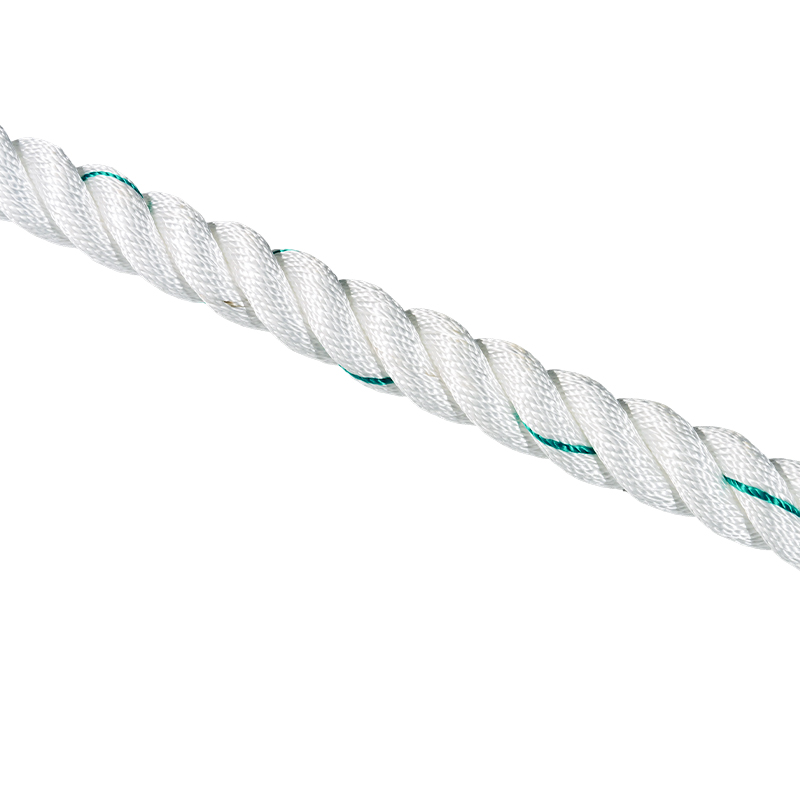
For budget-conscious projects where flotation and low weight are helpful, a 3-strand polypropylene rope remains the simplest and most economical solution.
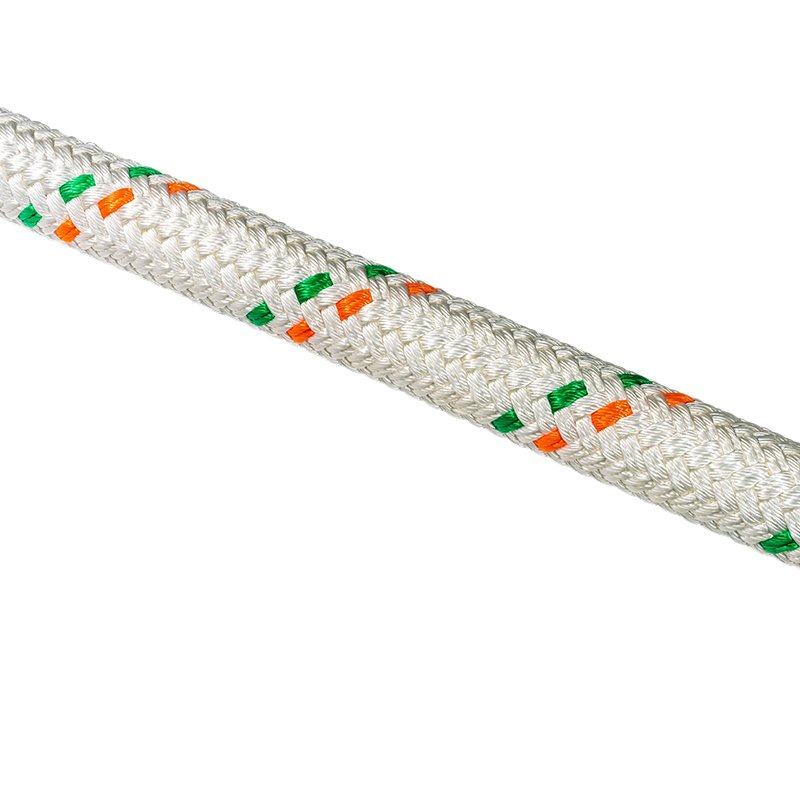 Economical 3-Strand Polypropylene Rope for General PurposeA simple, budget-friendly 3-strand polypropylene rope offering flotation and light weight, suitable for low-load tying, fishing, and harbor applications where cost matters most.View Product →
There is no single best material, only the best material for a particular job. Start by defining the working load, the operating environment, and the consequences of failure. A quick way to narrow the decision is to consider your priorities:
Our applications and case studies page shows how different rope materials are selected for real projects in shipbuilding, marine engineering, and port operations.
Still not sure? Let us help you match the right construction to your needs. With two decades of rope manufacturing experience, exports to more than 100 countries, and certification from classification societies such as CCS, BV, and LR, Jiangsu Haifeng Rope Technology Co., Ltd. can advise on diameter, structure, and safety margins. Send us your requirements and we will recommend a rope you can rely on.
Mar 12. 2026
What Are the Most Common Practical Uses for Polypropylene Rope?Core Applications of Polypropylene Rope in Marine and Water Activities In the modern rope industry, Polypropylene Rope (often referred to as “PP rope” or “floating rope”) has become an irreplaceable tool for water-based ...
Read MoreMar 12. 2026
Polyester Rope Guide: Types, Uses, Strength & Buying TipsPolyester rope is one of the most versatile and reliable cordage options available today. It outperforms nylon in UV resistance, holds its strength when wet, and stretches far less under load — making it the preferred c...
Read MoreMar 13. 2026
What is polyester rope and why is it the best choice for most applicationsWhat Is Polyester Rope? Understanding the Basics Polyester rope is one of the most widely used synthetic ropes in the world today, valued across industries for its exceptional balance of strength, durability, and resista...
Read More


 English
  русский
  Español
  عربى
عربى