2026.03.27
 Industry News
Content
With the development of marine transportation, outdoor activities, and industrial logistics, the demand for reliable rope products continues to grow. Among various rope types, Polypropylene Double Braided Rope has become an increasingly common option in many industries.
This rope combines a braided construction with polypropylene fiber material, providing stable strength, flexibility, and abrasion resistance. Because polypropylene is lightweight and performs well in humid environments, this rope is frequently used in marine operations, outdoor equipment, and certain industrial tasks.
This article explains the structure, advantages, applications, and future trends of polypropylene double braided rope.
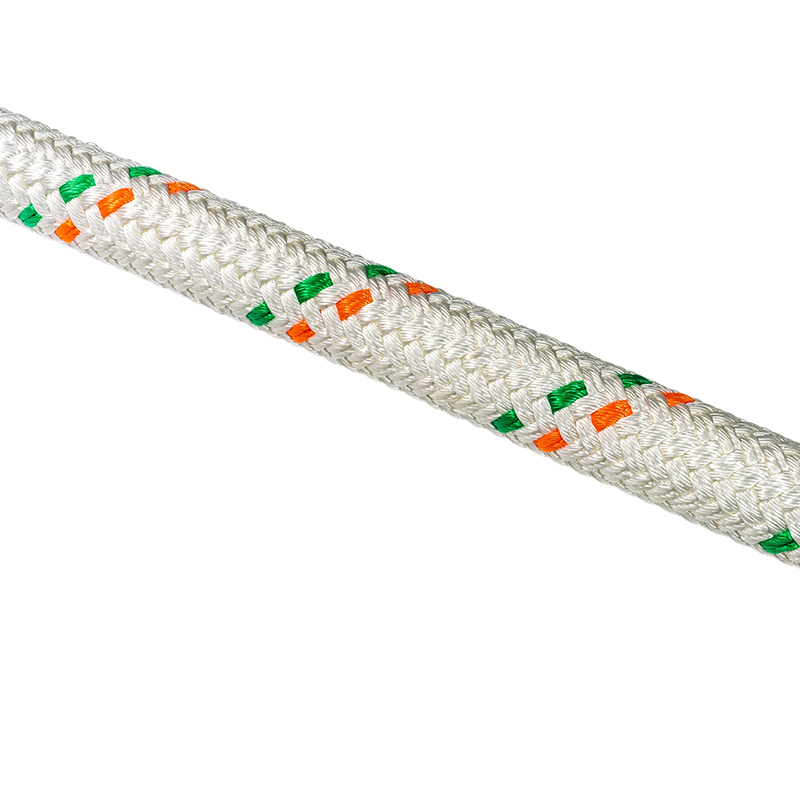
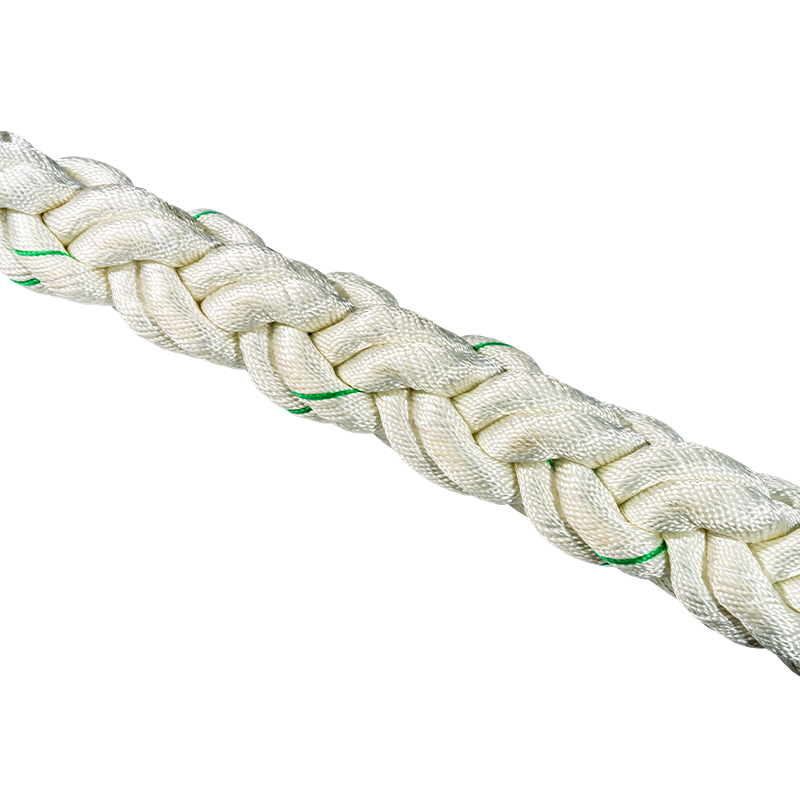
A double braided rope consists of two primary parts: an internal core and an external braided cover. The inner core provides the main strength of the rope, while the outer braid protects the core fibers from abrasion and environmental exposure.
This design distributes tension more evenly across the rope and helps maintain structural stability. Compared with traditional rope constructions, double braided ropes often maintain their shape and performance during repeated use.
Polypropylene is a commonly used synthetic material in rope production. One of its main advantages is its lightweight nature, which makes ropes easier to handle and transport.
Another important feature is its low water absorption. Polypropylene ropes can perform well in wet environments, which makes them suitable for marine activities and outdoor work.
The material also has a relatively economical production cost, allowing polypropylene rope to remain widely accessible across different industries.
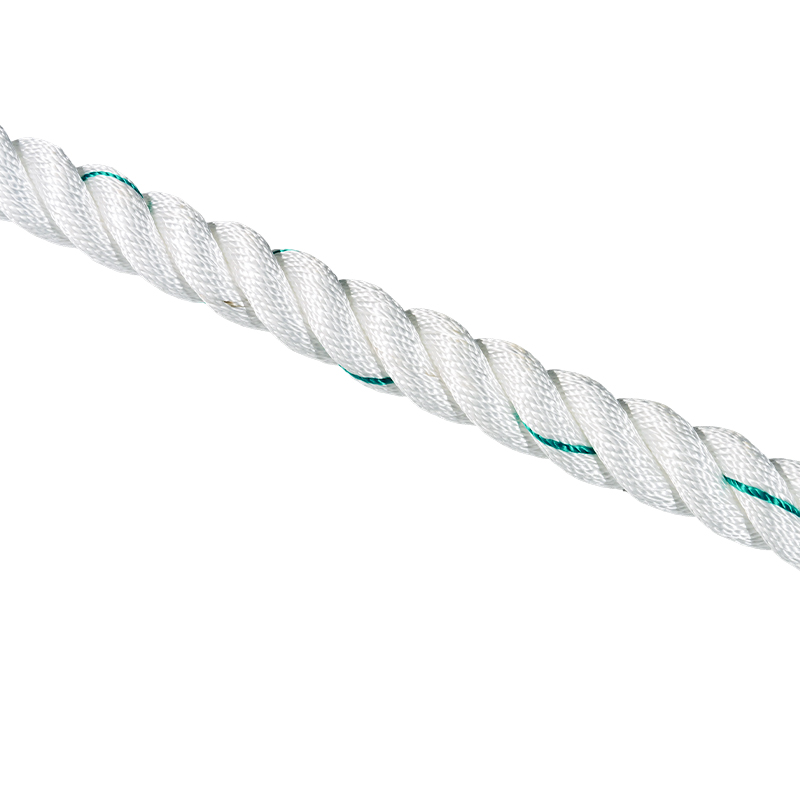
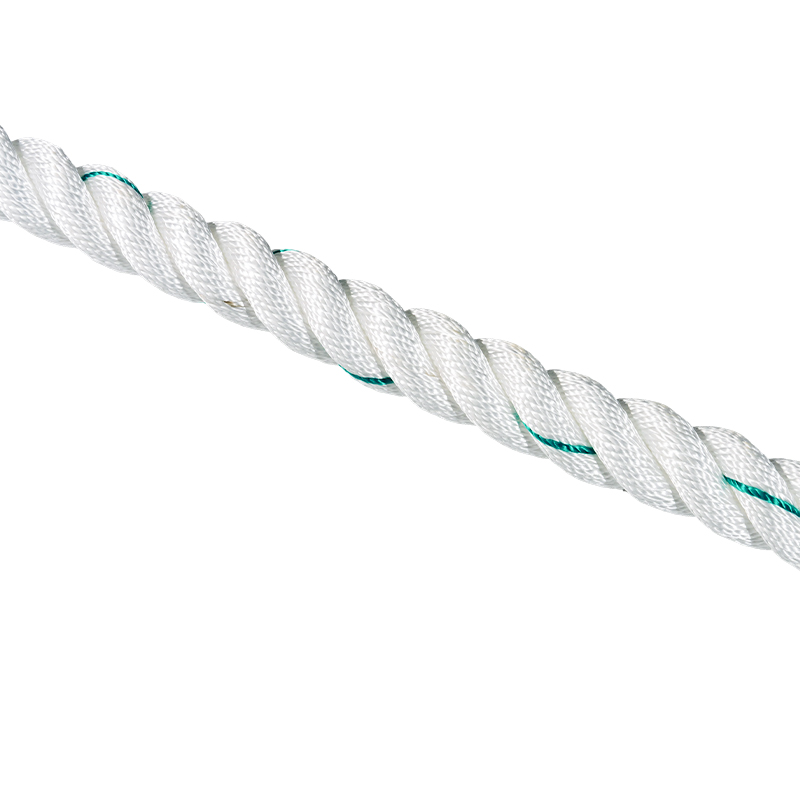
Three-strand rope is created by twisting three fiber strands together. This traditional structure provides flexibility and is commonly used for simple tasks.
In comparison, polypropylene double braided rope uses an interwoven braided structure. The tighter construction distributes load more evenly and provides additional protection for the inner fibers.
Double braided rope is often used in applications where durability and abrasion resistance are important. For example, pulley systems, marine towing operations, and industrial pulling tasks may benefit from braided rope construction.
The outer braided cover helps reduce friction damage and allows the rope to perform reliably under repeated tension.
Marine ropes must withstand conditions such as saltwater exposure, wind, and constant tension. These factors require ropes that maintain strength and resist environmental damage.
Marine ropes also need to be easy to handle for crew members who frequently adjust or secure lines during vessel operations.
Polypropylene double braided rope is commonly used in mooring lines, towing tasks, and dock operations. The outer braid protects the internal fibers from abrasion while maintaining flexibility.
Its lightweight nature also makes rope handling easier for vessel crews during daily operations.
Industrial ropes must provide consistent strength and durability. They are often used for securing cargo, lifting materials, or assisting mechanical systems.
These ropes must also resist abrasion from equipment and maintain their structure during repeated use.
Polypropylene double braided rope can be used for securing cargo during transportation, stabilizing equipment, and supporting certain construction operations.
Because of its stable braided structure, the rope maintains consistent performance in many industrial tasks.
The braided outer surface of the rope creates a smoother contact area with pulleys. This helps reduce friction and allows the rope to move more smoothly through mechanical systems.
The tight weave also prevents fibers from loosening during repeated movement.
Many types of equipment use braided rope, including marine deck systems, lifting devices, and certain outdoor mechanical setups.
Sailing equipment may also use braided ropes for adjusting sails and managing rigging lines.
| Feature | Polypropylene Double Braided Rope | Three-Strand Rope |
|---|---|---|
| Structure | Core with braided outer cover | Three twisted strands |
| Surface Texture | Smooth braided surface | Twisted texture |
| Abrasion Resistance | Relatively higher | Moderate |
| Flexibility | Good | Good |
| Durability | Long service life | Moderate lifespan |
| Typical Uses | Marine, industrial, pulley systems | Agriculture, camping, basic tying |
Outdoor ropes must tolerate changing weather conditions such as moisture, sunlight, and rough surfaces. They should also remain lightweight enough for convenient transport.
Polypropylene double braided rope offers a balance of durability and manageable weight for many outdoor uses.
In camping environments, ropes are often used to secure tents or build temporary shelters. In sailing activities, ropes are used for sail adjustment and deck rigging.
Some training and rescue exercises also involve rope handling where durable braided ropes are useful.
Larger diameter ropes generally support greater loads. However, the correct rope size depends on the intended use.
Outdoor recreation may require lighter ropes, while industrial tasks may require thicker ropes with higher load capacity.
Light household tasks may use ropes between 6 mm and 10 mm. Outdoor activities commonly use ropes between 8 mm and 12 mm.
Marine and industrial operations may require ropes between 12 mm and 20 mm or more.
Over time, ropes may experience wear from friction, sunlight exposure, or environmental conditions. Regular inspection helps detect potential damage early.
Cleaning the rope after use and storing it in a dry environment can help maintain its condition. Avoiding loads beyond recommended limits also helps preserve rope performance.
Growth in marine trade, logistics infrastructure, and outdoor recreation has increased the demand for reliable rope products.
Future rope technology may include improved weaving techniques and hybrid fiber materials. These developments could further enhance durability and expand applications for braided ropes.
Mar 12. 2026
What Are the Most Common Practical Uses for Polypropylene Rope?Core Applications of Polypropylene Rope in Marine and Water Activities In the modern rope industry, Polypropylene Rope (often referred to as “PP rope” or “floating rope”) has become an irreplaceable tool for water-based ...
Read MoreMar 12. 2026
Polyester Rope Guide: Types, Uses, Strength & Buying TipsPolyester rope is one of the most versatile and reliable cordage options available today. It outperforms nylon in UV resistance, holds its strength when wet, and stretches far less under load — making it the preferred c...
Read MoreMar 13. 2026
What is polyester rope and why is it the best choice for most applicationsWhat Is Polyester Rope? Understanding the Basics Polyester rope is one of the most widely used synthetic ropes in the world today, valued across industries for its exceptional balance of strength, durability, and resista...
Read More


 English
  русский
  Español
  عربى
عربى