2026.03.20
 Industry News
Content
In recent years, with the growing popularity of outdoor activities, water sports, and logistics industries, the demand for reliable ropes has gradually increased. From camping enthusiasts to fishing workers, and from home DIY users to construction sites, many fields require rope products that are practical and cost-effective. Among the various rope options available today, 3-Strand Polypropylene Rope is becoming an increasingly common choice.
Although the structure appears simple, this rope offers a useful combination of light weight, durability, and versatility. Compared with some traditional rope materials, polypropylene ropes are lighter and generally perform well in wet environments. One notable feature is that polypropylene rope can float on water due to its relatively low density, which makes it suitable for marine and water-related activities. Because of these characteristics, 3-Strand Polypropylene Rope is being adopted in a wide range of industries.
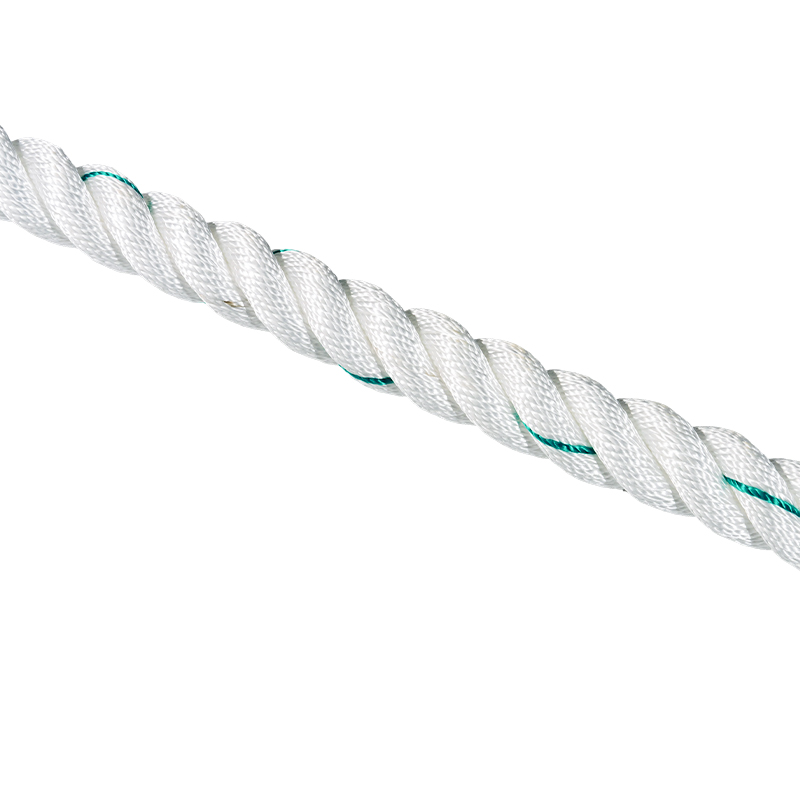
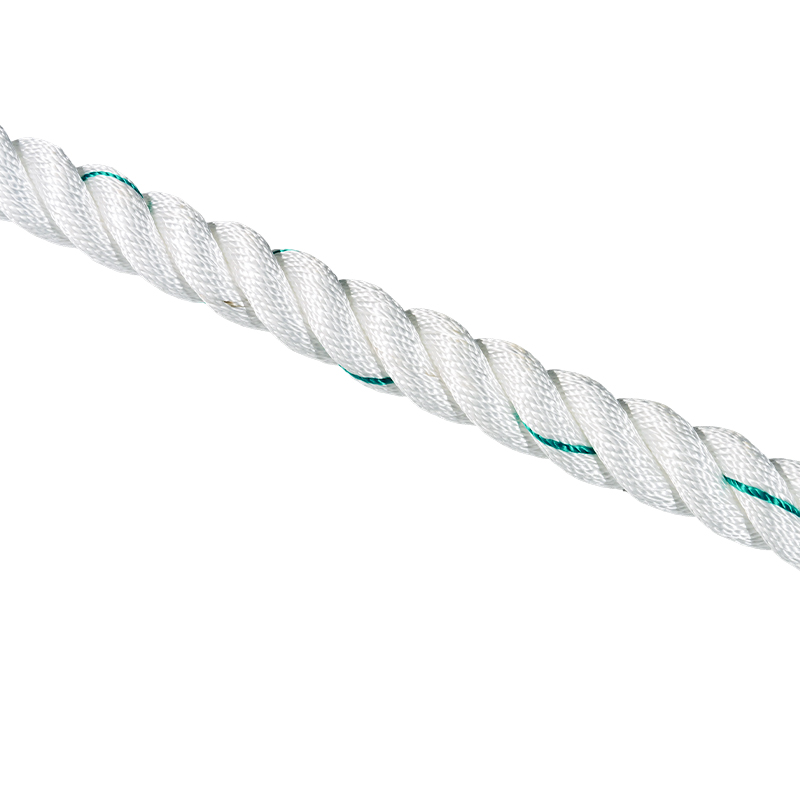
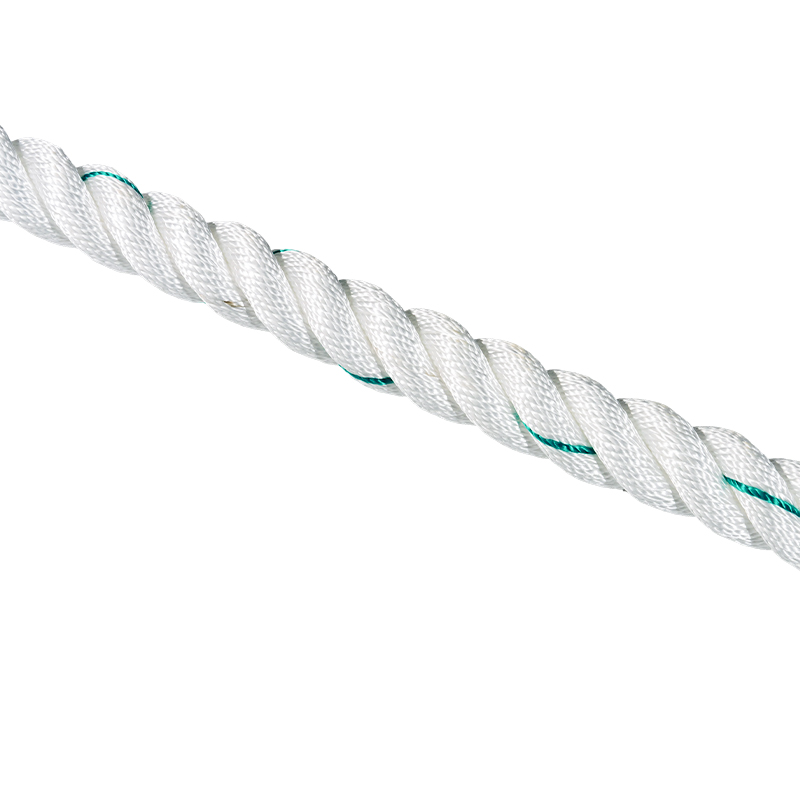
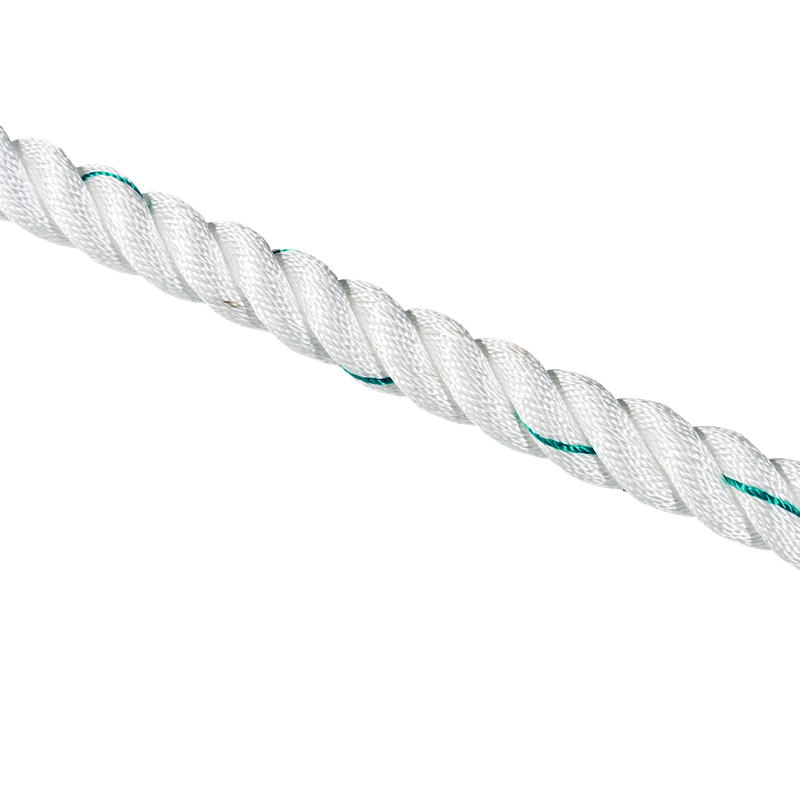
At glance, a three-strand rope looks relatively simple. It is produced by twisting three bundles of synthetic fibers together to form a single rope. Despite its straightforward structure, it has proven to be practical in many everyday applications.
One advantage of the three-strand design is flexibility. The rope can be handled, tied, and untied with relative ease, which makes it convenient for tasks that require frequent knotting. In camping, boating, or agricultural work, the rope can be adjusted and secured without complicated tools.
Another benefit is its ease of repair. If a section of the rope becomes worn, the strands can sometimes be re-spliced or adjusted rather than replacing the entire rope. This may help reduce costs and extend the rope’s usable service life.
In addition, the manufacturing process for three-strand ropes is relatively straightforward compared with more complex braided rope structures. As a result, production costs are generally lower, making it a practical option for both businesses and individual users.
In addition to structure, the material itself influences rope performance. Polypropylene is a commonly used synthetic polymer that offers several characteristics suitable for rope manufacturing.
First, polypropylene has relatively low weight, which makes the rope easier to transport and handle. For outdoor activities and marine operations, lighter equipment may improve convenience during use.
Another characteristic is that polypropylene absorbs minimal water. Some traditional ropes may become heavier or develop mildew after long exposure to moisture. Polypropylene rope tends to maintain a more stable structure in damp conditions.
Polypropylene also shows moderate resistance to chemicals and saltwater, which allows it to perform reliably in marine environments such as fishing operations, boating, and harbor activities.
Some users notice that polypropylene rope remains on the water surface when placed in water. This characteristic is related to the material’s density.
Polypropylene has an approximate density of 0.91 g/cm³, while the density of water is about 1.0 g/cm³. Because polypropylene is lighter than water, objects made from this material tend to float rather than sink.
This feature can be useful in marine environments. A rope that stays near the surface can be easier to locate and retrieve, particularly during water-based operations. It may also reduce the possibility of the rope becoming tangled underwater.
For this reason, polypropylene rope is often described as a floating rope and is commonly used in marine activities.
The floating characteristic of polypropylene rope allows it to be used in several industries that operate around water.
In marine environments, ropes are used for mooring boats and towing vessels. A rope that stays on the surface may help reduce the chance of contact with propellers or underwater equipment.
In fishing operations, floating ropes are often used to connect fishing nets, buoys, and traps. Because the rope remains visible near the surface, equipment management may become easier.
Floating ropes are also used in water rescue training and recreational water activities where surface visibility is helpful.
When selecting rope products, users often compare three-strand rope with braided rope. Each type has its own characteristics depending on the intended application.
Three-strand rope is generally easier to knot and adjust. Knots can hold securely while still being relatively easy to untie later. This can be useful in situations where rope adjustments are frequently required.
The rope is also relatively flexible, which makes manual handling more comfortable in certain tasks such as outdoor activities or marine work.
Braided rope may be more suitable in some specialized situations. Equipment that relies on pulleys or mechanical systems may benefit from the smoother surface of braided rope.
Braided rope structures are usually tighter, which may improve abrasion resistance. As a result, they are often used in climbing equipment and certain industrial environments.
| Feature | 3-Strand Polypropylene Rope | Braided Rope |
|---|---|---|
| Structure | Three twisted strands | Multiple braided fibers |
| Ease of Knotting | Relatively easy | Moderate |
| Surface Smoothness | Moderate | Higher |
| Abrasion Resistance | Moderate | Higher |
| Price | Generally lower | Generally higher |
| Typical Uses | Outdoor, marine, agriculture | Industrial equipment, pulley systems |
For camping and hiking, rope is considered a useful piece of equipment. In outdoor environments, a simple rope can assist with many tasks.
For example, ropes are frequently used to secure tents during windy conditions. They can also help set up temporary tarps for shade or rain protection.
Campers may also use rope as a clothesline, for organizing equipment, or for other practical campsite tasks.
Weight plays an important role in hiking and backpacking activities. Carrying lighter gear may reduce physical strain during long journeys.
Polypropylene rope has relatively low weight compared with some other rope materials. Even longer lengths can usually be packed without significantly increasing load weight.
Because it absorbs minimal water, the rope tends to remain lightweight even after exposure to rain.
Ropes used on boats operate under demanding environmental conditions such as saltwater exposure, constant tension, and changing weather.
A marine rope should provide durability, reasonable strength, and manageable handling characteristics so that adjustments can be made when necessary.
Polypropylene rope offers a balanced combination of these characteristics for certain marine applications.
Three-strand polypropylene rope is often used for mooring lines, towing tasks, and temporary fastening on boats.
Because the rope floats, it may reduce the chance of becoming entangled in propellers. This feature can contribute to safer boat handling in some situations.
Its moderate cost also makes replacement easier when ropes show signs of wear.
Ropes are also commonly used in home and garden settings. In gardens, ropes may be used to support plants or create simple structures.
Some homeowners use rope to build swings or hammocks in outdoor spaces. Ropes can also help organize tools or secure stored items.
With the popularity of DIY crafts, ropes are sometimes used as creative materials. Decorative knot patterns can be used in wall hangings or handmade ornaments.
In interior decoration, ropes may be incorporated into hanging planters, lighting designs, or rustic decorative elements.
Rope diameter is an important factor when selecting rope products. In general, thicker ropes can handle greater loads.
However, the appropriate diameter depends on the intended use. Light household tasks usually require thinner rope, while marine or industrial uses may require thicker rope.
Different activities often require different rope sizes. Household uses may involve ropes with diameters around 6–10 mm.
Camping applications often use ropes between 8–12 mm, while marine uses may require ropes between 12–20 mm depending on load requirements.
Although polypropylene rope is versatile, it may not be appropriate for heavy lifting or industrial hoisting. In such cases, steel cables or higher-strength synthetic ropes are generally recommended.
Selecting rope according to its working load limits is important for safety.
If ropes remain outdoors for extended periods, maintenance is recommended. Long exposure to sunlight may gradually affect the material over time.
Regular inspection for wear and proper storage when not in use can help maintain rope performance and extend service life.
Mar 12. 2026
What Are the Most Common Practical Uses for Polypropylene Rope?Core Applications of Polypropylene Rope in Marine and Water Activities In the modern rope industry, Polypropylene Rope (often referred to as “PP rope” or “floating rope”) has become an irreplaceable tool for water-based ...
Read MoreMar 12. 2026
Polyester Rope Guide: Types, Uses, Strength & Buying TipsPolyester rope is one of the most versatile and reliable cordage options available today. It outperforms nylon in UV resistance, holds its strength when wet, and stretches far less under load — making it the preferred c...
Read MoreMar 13. 2026
What is polyester rope and why is it the best choice for most applicationsWhat Is Polyester Rope? Understanding the Basics Polyester rope is one of the most widely used synthetic ropes in the world today, valued across industries for its exceptional balance of strength, durability, and resista...
Read More


 English
  русский
  Español
  عربى
عربى