English
  русский
  Español
  عربى
عربى 



Rope is one of humanity's oldest tools — used for thousands of years in sailing, construction, farming, and daily life. But what exactly is rope made of? The answer depends on the application, the era, and the desired performance. From ancient plant fibers to modern synthetic polymers, rope materials have evolved dramatically while the fundamental twisted structure has remained remarkably constant.
The Basic Structure of Rope
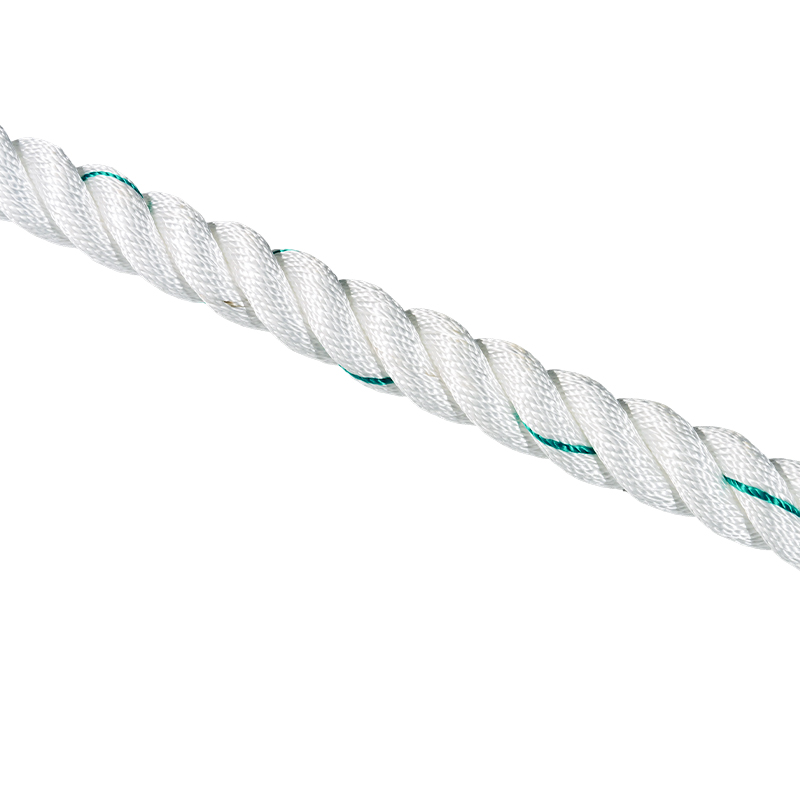
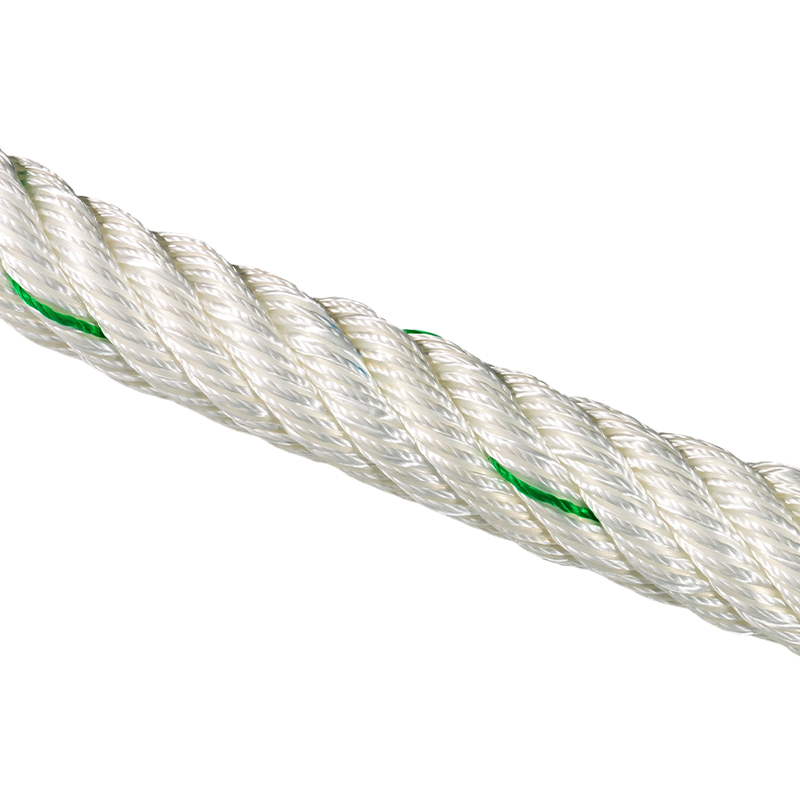
Before diving into materials, it helps to understand how rope is constructed. Rope is made by twisting or braiding fibers together. Individual fibers are twisted into yarns, yarns into strands, and strands are then twisted or plaited together to form the finished rope. This hierarchical structure is what gives rope its characteristic strength — the interlocking twist creates friction that holds everything together and distributes tension evenly across all fibers.
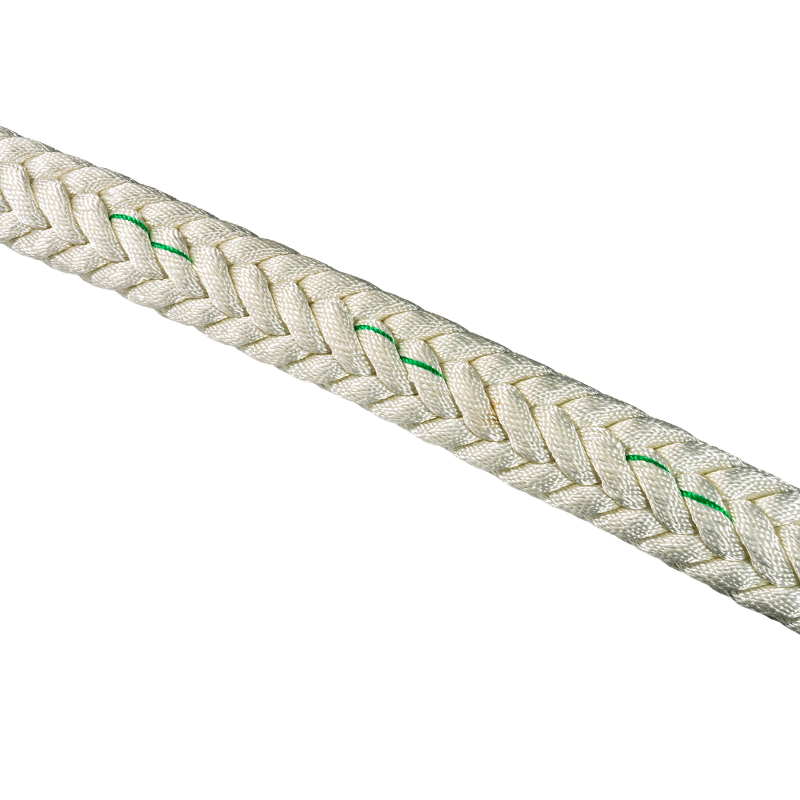
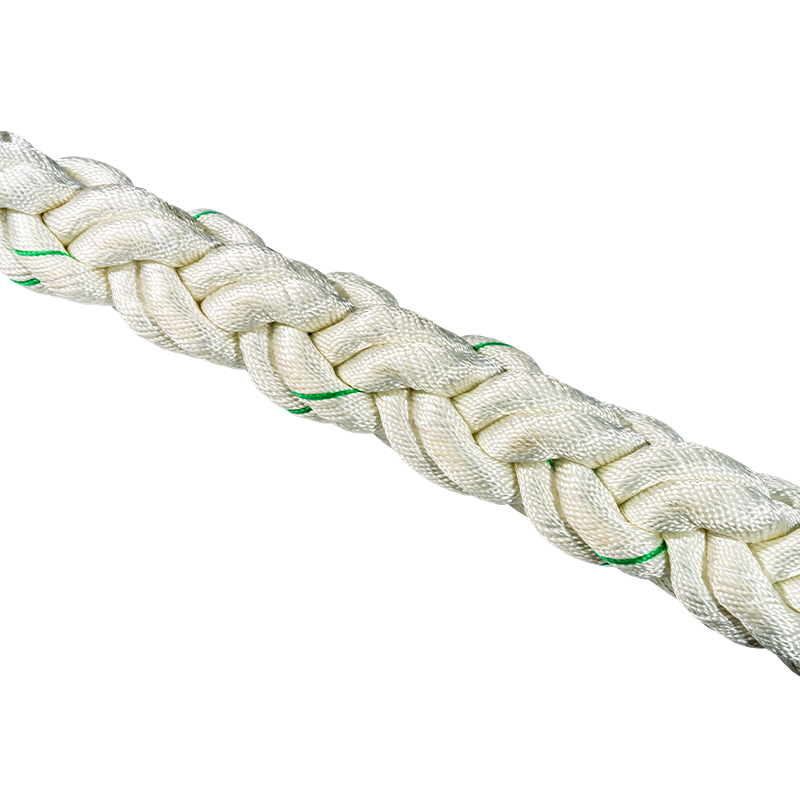
Three main construction types dominate the market: twisted (laid) rope, which has a traditional helical structure; braided rope, where strands are woven in complex patterns; and kernmantle rope, featuring a load-bearing core (kern) encased in a protective woven sheath (mantle), favored in climbing and rescue applications.
Natural Fiber Ropes: The Traditional Materials
For of human history, rope was made exclusively from natural plant and animal fibers. These materials were abundant, renewable, and workable without industrial machinery.
Manila (Abacá)
Manila rope is made from the leaf stalks of the abacá plant (Musa textilis), a relative of the banana native to the Philippines. It was the gold standard of rope-making for centuries, particularly in maritime applications. Manila fibers are naturally resistant to salt water degradation, making them ideal for rigging and anchor lines. However, manila ropes can shrink significantly when wet and will rot over time if not dried properly.
Sisal
Derived from the leaves of the Agave sisalana plant, sisal is a stiff, coarse natural fiber widely used in agriculture, general-purpose binding, and packaging. Sisal rope is affordable and biodegradable, though it has lower tensile strength than manila and is susceptible to moisture damage.
Hemp
Hemp rope has been produced for over 10,000 years and was a cornerstone of maritime industries in Europe and Asia. Made from the Cannabis sativa plant, hemp fibers are naturally strong and resistant to UV degradation. Today, it enjoys a renaissance in decorative, craft, and sustainability-focused applications.
Jute
Jute fibers come from the stalks of plants in the Corchorus genus. While relatively weak compared to other natural fibers, jute is extremely cheap to produce and biodegrades rapidly. It is commonly used in low-stress applications like garden twine, burlap backing, and decorative packaging.
Coir (Coconut Fiber)
Coir rope is made from the fibrous husks of coconut shells. It is uniquely resistant to salt water and has natural elasticity, which reduces shock loads in mooring applications. It is heavier than many alternatives and has relatively low tensile strength, but its moisture resistance and buoyancy remain practical advantages.
Cotton
Cotton rope is soft, flexible, and easy on the hands, making it popular for clotheslines, stage rigging, pet toys, and decorative macramé. Cotton fibers have poor resistance to moisture and UV exposure, meaning cotton rope mildews and degrades faster than alternatives outdoors. Its gentleness makes it the preferred choice for applications involving skin contact.
Synthetic Fiber Ropes: The Modern Revolution
The development of synthetic fibers in the 20th century transformed rope manufacturing. Synthetic ropes generally outperform natural fibers in tensile strength, moisture resistance, UV stability, and longevity. Today, they account for the vast majority of rope produced worldwide.
Nylon (Polyamide)
Nylon rope is prized for its exceptional elasticity — it can stretch 15–25% before breaking, absorbing shock loads effectively. This makes it the material of choice for anchor lines, tow ropes, and climbing applications where sudden dynamic loads occur. Its primary drawback is that it absorbs water, losing up to 15% of its dry strength when wet.
Polyester (Dacron)
Polyester rope offers an balance of strength, UV resistance, and minimal stretch. Unlike nylon, it retains almost all of its strength when wet, making it highly suitable for marine applications such as halyards, dock lines, and sail control lines. Polyester rope is widely used in sailing, arboriculture, and any application requiring dimensional stability under load.
Polypropylene
Polypropylene is the only common rope material that floats, which makes it indispensable for water rescue, swimming pool lane dividers, and water-ski tow ropes. It is lightweight and inexpensive, but its UV resistance is poor, causing it to become brittle and degrade in prolonged sunlight.
High-Modulus Polyethylene (HMPE / Dyneema / Spectra)
Ultra-high-molecular-weight polyethylene (UHMWPE), sold under brand names like Dyneema and Spectra, represents the pinnacle of synthetic rope technology. Pound for pound, it is up to 15 times stronger than steel by weight while being lightweight enough to float. HMPE rope has extremely low stretch, exceptional cut resistance, and outstanding resistance to UV, chemicals, and moisture. It is used in yacht racing, deep-sea mooring, search and rescue, and military applications.
Aramid (Kevlar / Twaron)
Aramid fibers such as Kevlar and Twaron produce exceptionally strong ropes with minimal stretch and very high heat resistance. Aramid rope is used where low elongation and high temperature tolerance are critical, such as fire safety equipment, aerospace tethers, and industrial hoisting. Aramid is sensitive to bending fatigue and UV light, so it is often used as a core wrapped in a protective sheath.
Polyethylene (Standard Grade)
Standard (non-HMPE) polyethylene rope is an economy-grade synthetic option that floats and resists moisture. It has lower strength than nylon or polyester and is commonly found in agricultural, garden, and general utility applications where performance requirements are modest and cost is the primary concern.
Comparative Performance at a Glance
The table below compares the common rope materials across key performance dimensions to help identify the right choice for a given application.
| Material | Strength | Stretch | Floats? | UV Resistance | Typical Use |
|---|---|---|---|---|---|
| Manila | Medium | Low | No | Good | Décor, agriculture, historical |
| Nylon | High | High | No | Moderate | Anchors, tow ropes, climbing |
| Polyester | High | Low | No | Excellent | Sailing, arboriculture, rigging |
| Polypropylene | Medium | Medium | Yes | Poor | Water rescue, pool lines |
| HMPE (Dyneema) | Very High | Very Low | Yes | Excellent | Racing, military, offshore |
| Aramid (Kevlar) | Very High | Very Low | No | Poor | Aerospace, fire safety, industrial |
| Cotton | Low | Medium | No | Poor | Macramé, pet products, craft |
Wire Rope: When Fiber Isn't Enough
Not all rope is made of fiber. Wire rope is constructed by twisting steel wires together in a similar helical pattern to fiber rope. It offers dramatically higher tensile strength and minimal stretch, making it the standard choice for cranes, elevators, suspension bridges, overhead tram lines, and mining equipment. Wire rope is classified by the number of strands and wires per strand (e.g., 6×19 or 7×7) — configurations that balance flexibility against strength.
Stainless steel and galvanized steel are the common materials, with stainless offering corrosion resistance for marine environments and galvanized being more economical for general industrial use. The Golden Gate Bridge is suspended by four main cables each composed of 27,572 parallel galvanized steel wires, strong enough to support over 100,000 tons each.
Hybrid and Specialty Ropes
Modern engineering has produced rope that blends multiple materials to optimize for specific performance requirements. A common hybrid approach uses a high-strength HMPE or aramid core for load-bearing capacity while wrapping it in a polyester or nylon sheath for UV protection, abrasion resistance, and handleability. Climbing ropes, technical rescue ropes, and offshore mooring lines frequently use this kernmantle design.
Reflective yarns can be woven into rescue ropes for visibility. Electrically conductive fibers are incorporated into some industrial ropes for grounding applications. Fire-resistant coatings and aramid blends are used where heat exposure is a concern.
How to Choose the Right Rope Material
Selecting rope is a matter of matching material properties to the demands of the application. Key questions to ask include:
- Will the rope be exposed to water? — Choose polyester, HMPE, or polypropylene over nylon or natural fibers for wet environments.
- Is shock load absorption important? — Nylon's high elasticity makes it ideal for anchor lines and tow ropes.
- Does minimal stretch matter? — Polyester, HMPE, and aramid offer low elongation for precise load control.
- Is weight a concern? — HMPE is the lightest high-performance option and is the only synthetic that floats.
- What is the UV exposure level? — Polyester and HMPE hold up outdoors; avoid aramid and polypropylene in direct long-term sunlight.
- What is the budget? — Natural fibers and polypropylene are least expensive; HMPE and aramid command a premium.
- Is biodegradability important? — Hemp, jute, coir, and cotton are all compostable alternatives to synthetic options.
Frequently Asked Questions
What is the strongest rope material available?
Ultra-high-molecular-weight polyethylene (UHMWPE), sold as Dyneema or Spectra, is the strongest rope material by weight currently available commercially. It is up to 15 times stronger than steel on a weight-for-weight basis and is used in demanding offshore, military, and racing applications.
Is natural fiber rope still used today?
Yes, natural fiber ropes remain widely used in agriculture, landscaping, craft and décor, and equestrian applications — any context where biodegradability or natural aesthetics are priorities. Hemp and cotton ropes are particularly popular for interior design and macramé.
What rope material should I use for boating?
Polyester (Dacron) is the widely recommended rope for general boating — it resists UV and salt water, holds its strength when wet, and has low stretch for predictable performance. Nylon is preferred for anchor lines due to its shock-absorbing elasticity. High-performance sailing often uses HMPE for lightweight, low-stretch running rigging.
What type of rope floats on water?
Polypropylene and HMPE (Dyneema/Spectra) are the primary synthetic ropes that float. Coir is the main natural fiber rope that floats. All other common rope materials sink when fully saturated.
How long does rope last?
Lifespan varies widely by material and conditions. Natural fiber ropes stored wet can rot in months; those kept dry may last years. Synthetic ropes generally last 5–10 years under regular use with UV exposure, while ropes kept in storage away from sunlight and chemicals can remain serviceable for much longer. Any rope showing significant wear, glazing, discoloration, or core damage should be retired immediately.