2026.10.23
 Industry News
Content
For more than two decades, Jiangsu Haifeng Rope Technology Co., Ltd. has manufactured synthetic ropes for mooring, towing, offshore, and industrial applications. In all that time, one question keeps returning from ship owners, riggers, and procurement teams: how does polyester rope UV resistance compare to polypropylene rope? It is a fair question, because the two ropes can look similar on the spool, yet their long-term behaviour under sunlight is very different.
Sunlight carries ultraviolet radiation that attacks the molecular structure of most polymers. When UV energy reaches a rope's surface, it can break the long polymer chains into shorter fragments. The visible results are familiar to anyone who has left rope outdoors: the colour fades, the surface feels chalky, the rope stiffens, and tiny cracks begin to appear.
Those surface cracks are more than cosmetic. They allow moisture and abrasive particles to work their way into the rope core, accelerating internal wear. Over time, the rope loses a meaningful share of its breaking strength. The process is gradual, but it is relentless, and it will eventually affect every synthetic rope.
Not all fibres suffer equally, though. The chemical structure of each polymer determines how much UV energy it absorbs and how quickly its molecular chains break down. That difference is exactly what separates polyester from polypropylene in outdoor service.
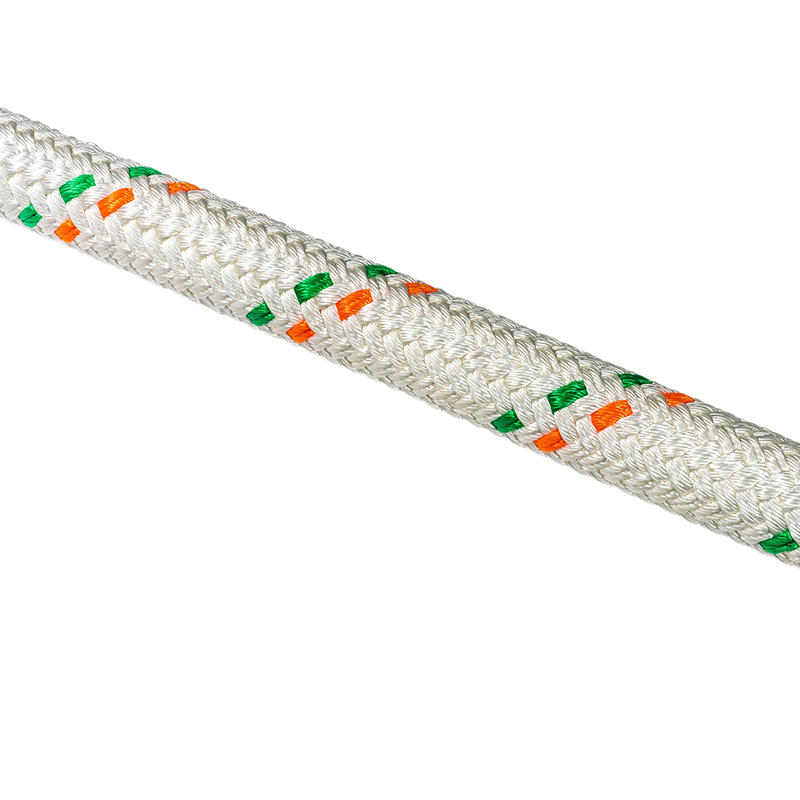
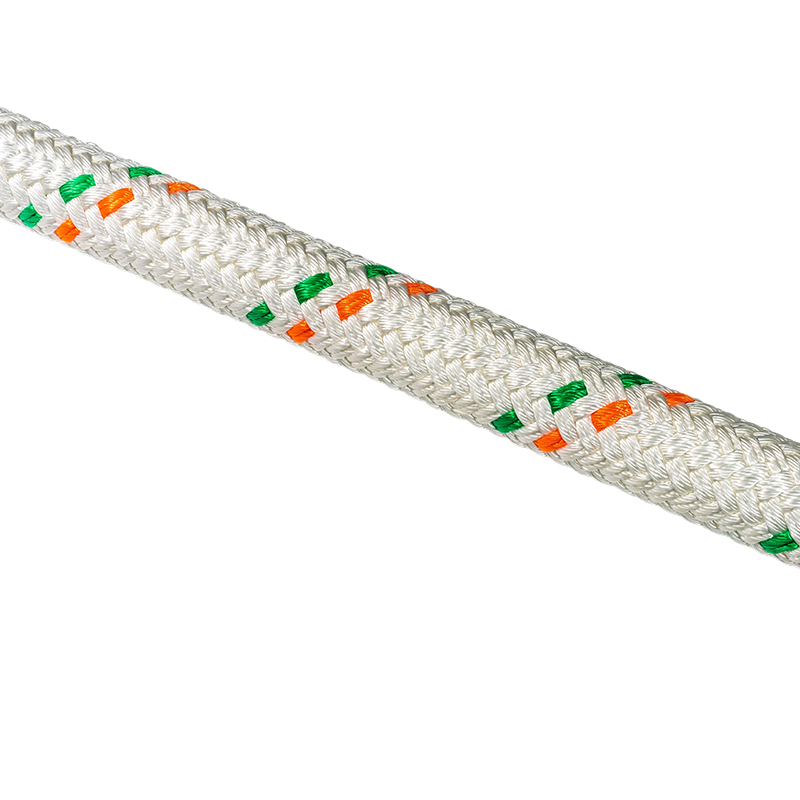 Polyester Rope: UV-Resistant All-Round WorkhorseThis category page presents polyester rope's superior UV stability and abrasion resistance, with four braided constructions ideal for demanding outdoor and marine applications.View Product →
Polyester rope offers naturally strong resistance to ultraviolet radiation. The ester groups within the polymer chain are far more stable under sunlight than the molecular structure of polypropylene. As a result, polyester retains its flexibility, surface integrity, and load-bearing capacity far longer when exposed to direct sun.
This is why polyester is the default choice for applications where a rope will stay outdoors for months or years: vessel mooring lines, docking lines, fixed rigging, towing hawsers, and lifting slings. In these roles, the rope is continuously exposed to sunlight, and replacing it too often is both expensive and unsafe.
At our factory in Baoying County, Yangzhou, we produce polyester rope in 3-strand, 8-strand, 12-strand, and double braided constructions. We add UV stabilisers during production, which pushes the outdoor service life even further. Polyester also handles chafe and bending well, making it a dependable all-round workhorse for demanding marine environments.
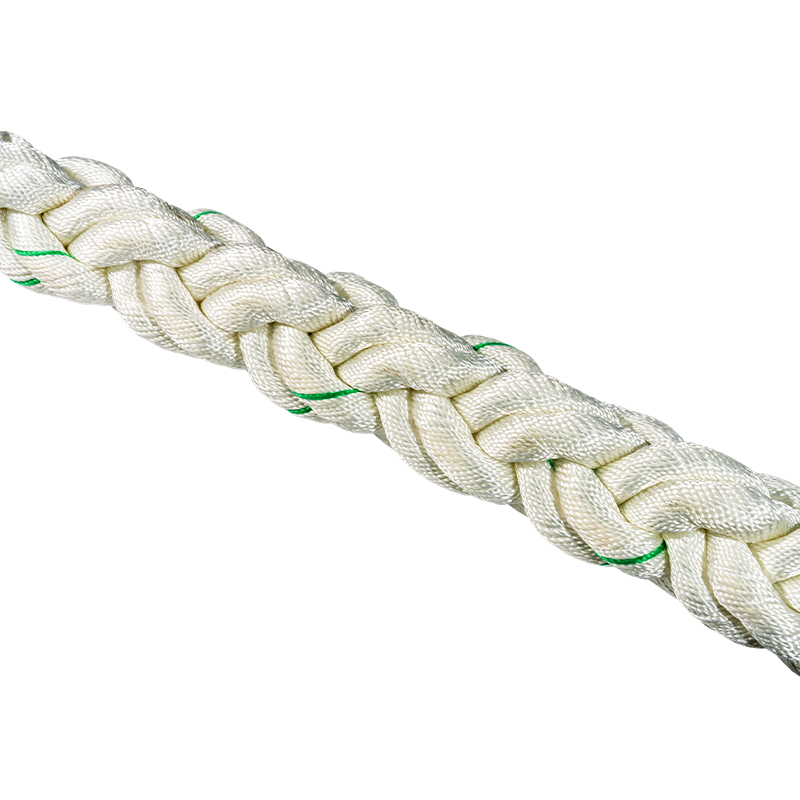
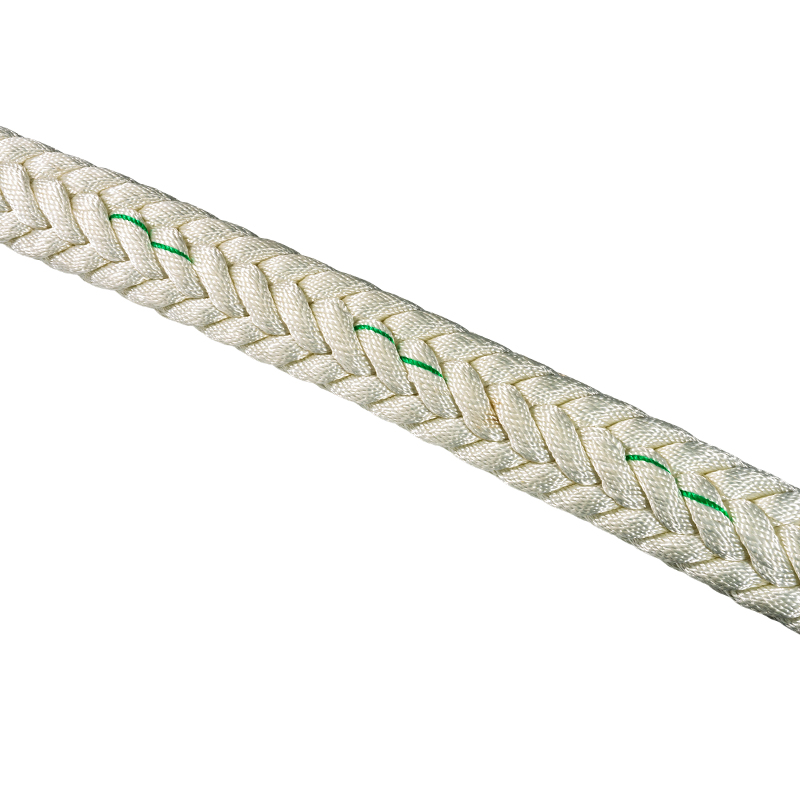 Polypropylene Rope: Lightweight and Buoyant AlternativeExplore polypropylene rope's key advantages—lightweight, floats, and cost-effective—making it a practical choice for temporary or stored-out-of-sun use.View Product →
Polypropylene rope has a different set of strengths. It is the lightest of the common synthetic fibres, it floats on water, and it costs noticeably less than polyester. For temporary lines, heaving lines, floating safety ropes, and applications where the rope is stored out of the sun between uses, polypropylene is a practical and economical choice.
When it comes to ultraviolet resistance, however, polypropylene is the weaker candidate. Its polymer chains break down more readily under intense sunlight, and without stabilisers the rope will fade, become stiff, and develop a cracked surface within a single season in sunny regions. Strength loss can be substantial, which is why we urge customers not to leave unprotected polypropylene rope in permanent outdoor service.
Modern manufacturing helps. Our polypropylene rope range includes UV stabilisers and antioxidants that significantly slow degradation. Even with these additives, the natural UV resistance of polypropylene remains below that of polyester. We are transparent with our customers about this because a rope's service life directly affects safety and budget planning.
To make the decision easier, the table below summarises how the two materials compare under ultraviolet exposure and in related performance areas that affect outdoor use.
| Property | Polyester Rope | Polypropylene Rope |
|---|---|---|
| Natural UV resistance | Excellent | Moderate |
| Typical outdoor life without stabilisers | Several years | Roughly 6-12 months in strong sun |
| Typical outdoor life with UV stabilisers | 5+ years | 1-3 years |
| Main UV damage symptoms | Slow fading, gradual strength loss | Chalking, cracking, rapid strength loss |
| Moisture absorption | Low | Very low |
| Floats | No | Yes |
| Abrasion resistance | Very good | Moderate |
| Relative cost | Higher | Lower |
| Best suited for | Mooring, towing, permanent rigging | Temporary lines, floating rope duties |
If you want to go deeper into the technical behaviour of these two materials, we have published a full polypropylene vs polyester rope UV resistance comparison that covers the underlying chemistry and test observations.
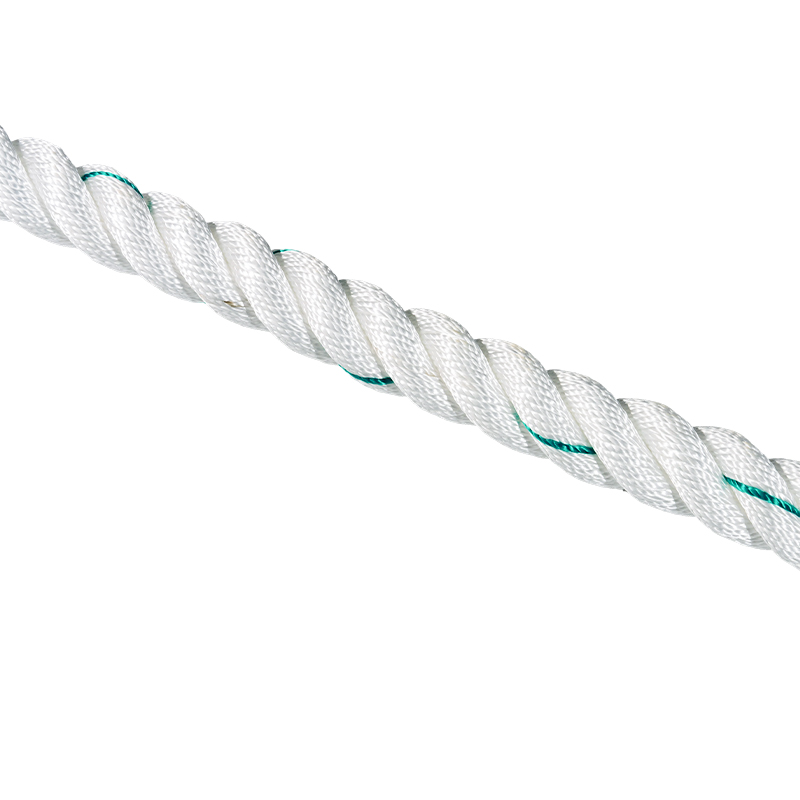
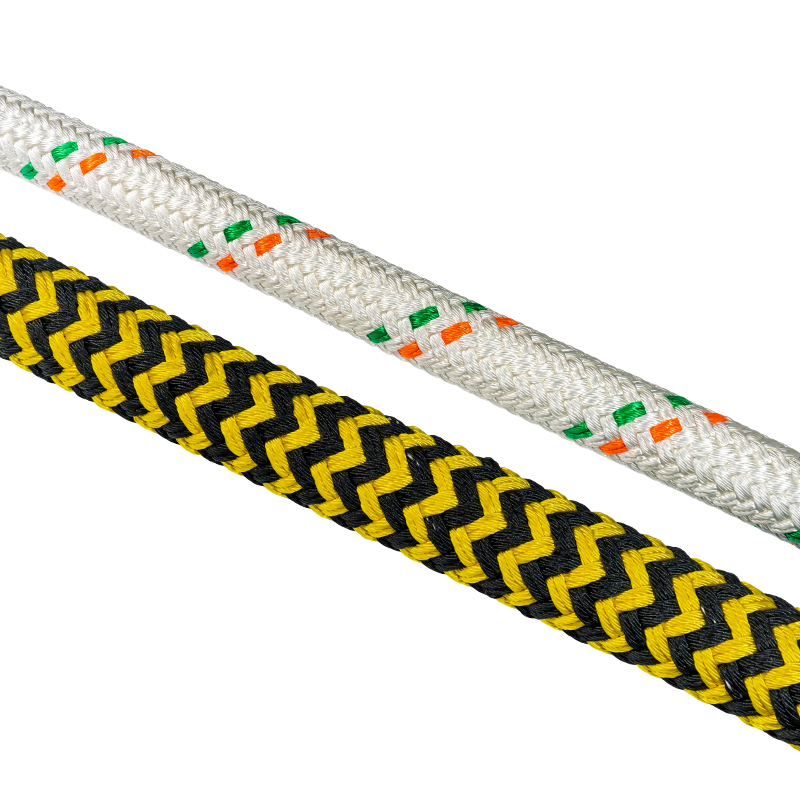 Polyester-Polypropylene Mixed Rope: Balanced PerformanceThis blended rope combines polyester's UV resistance with polypropylene's lightweight buoyancy, offering a versatile option for various marine and outdoor tasks.View Product →
UV resistance is rarely the only consideration. The right choice depends on how the rope is used, where it is stored, and what it must do in the water or on deck. Here is the guidance we share with our own customers:
We manufacture all of these options in 3-strand, 8-strand, 12-strand, and double braided constructions, so the material choice never forces you to compromise on structure. To see how these ropes behave in real projects, you can browse our application cases covering shipyards, ports, and marine operations.
After two decades of making rope, we can tell you that the polyester versus polypropylene UV question is not a technical footnote: it is one of the most practical decisions a buyer can make. A rope that serves safely for a single season and a rope that serves safely for several years can look identical on day one. The difference reveals itself under the sun.
At Jiangsu Haifeng, we produce both polyester and polypropylene ropes with UV stabilisers, and we gladly help customers compare specifications against their working conditions. If you are unsure which material suits your mooring layout, towline configuration, or industrial setup, ask us. We will help you weigh UV resistance, buoyancy, abrasion performance, and budget so the rope you choose performs safely for as long as you need it to.
Mar 12. 2026
What Are the Most Common Practical Uses for Polypropylene Rope?Core Applications of Polypropylene Rope in Marine and Water Activities In the modern rope industry, Polypropylene Rope (often referred to as “PP rope” or “floating rope”) has become an irreplaceable tool for water-based ...
Read MoreMar 12. 2026
Polyester Rope Guide: Types, Uses, Strength & Buying TipsPolyester rope is one of the most versatile and reliable cordage options available today. It outperforms nylon in UV resistance, holds its strength when wet, and stretches far less under load — making it the preferred c...
Read MoreMar 13. 2026
What is polyester rope and why is it the best choice for most applicationsWhat Is Polyester Rope? Understanding the Basics Polyester rope is one of the most widely used synthetic ropes in the world today, valued across industries for its exceptional balance of strength, durability, and resista...
Read More


 English
 русский
 Español
 عربى